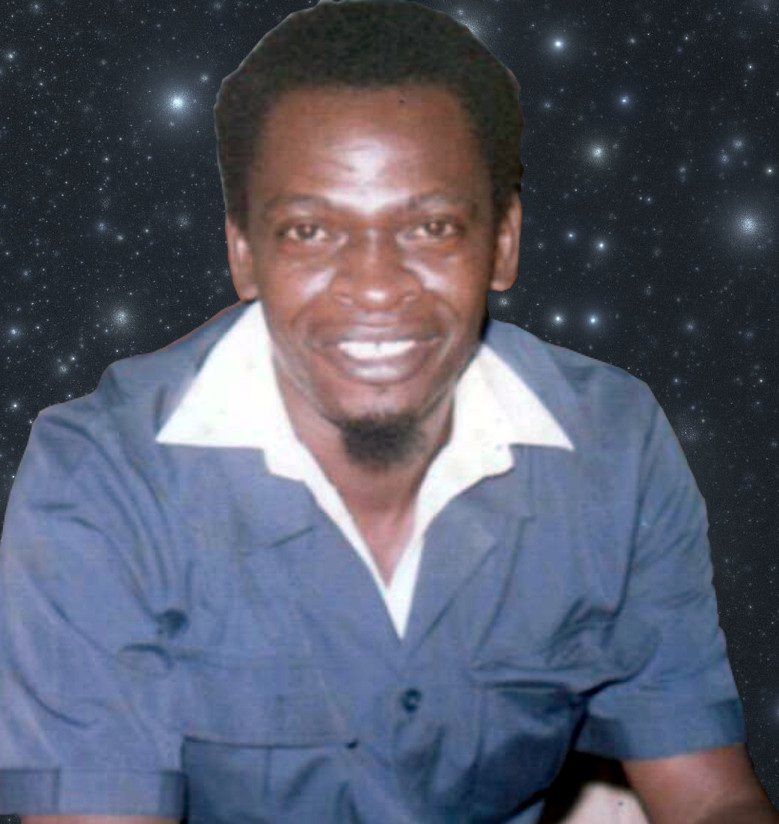
Lecturer, Politician, Elder Statesman
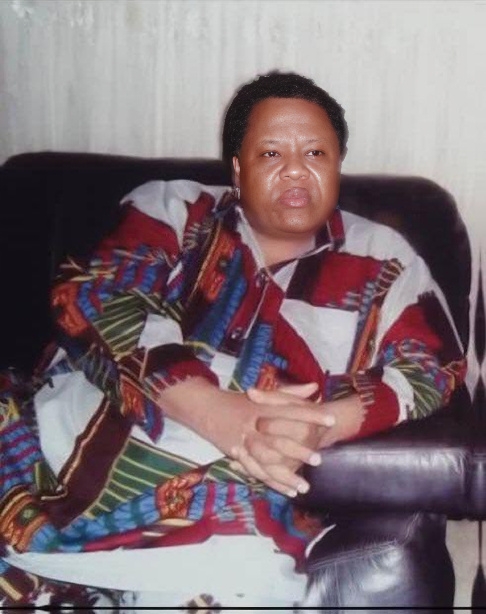
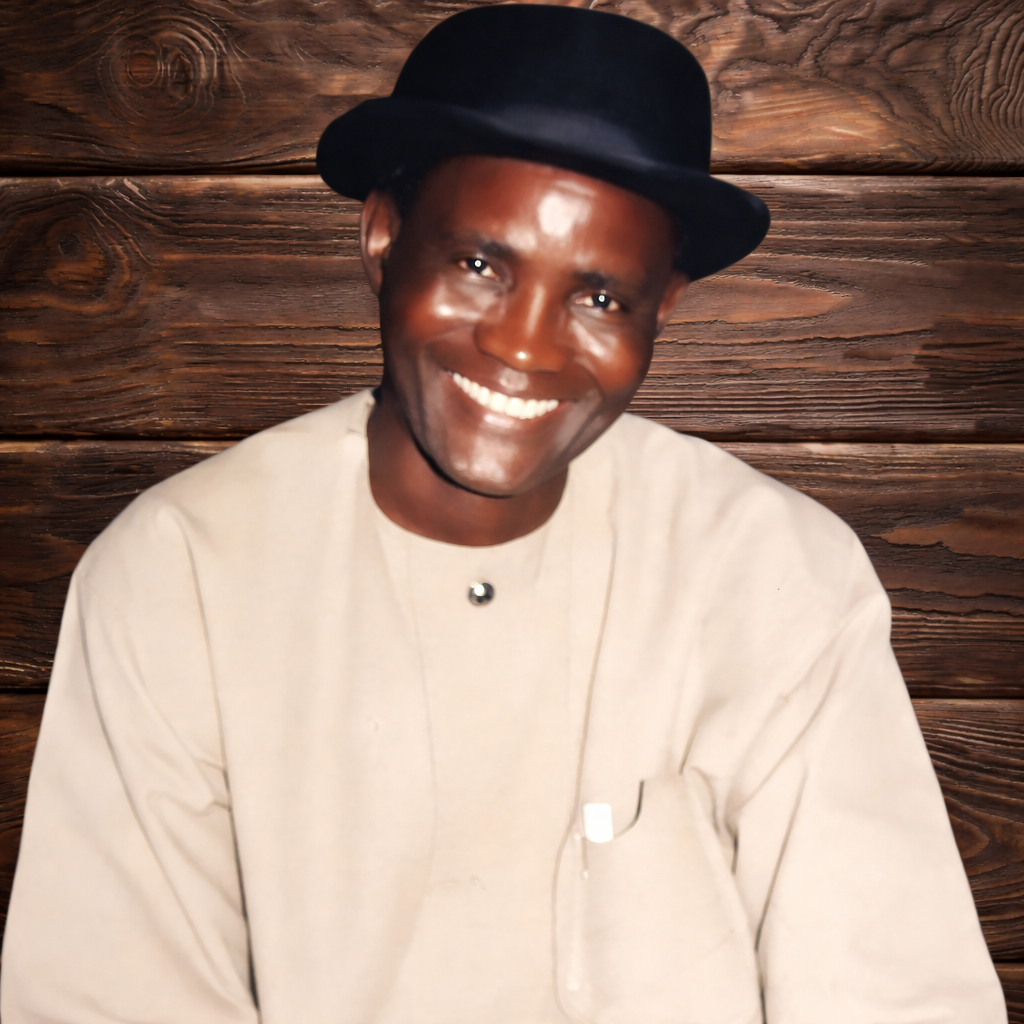
Born on June 19, 1942, in Kolo town, Ogbia Local Government Area of present-day Bayelsa State, Emmanuel Azibaoloniyar Isukul was born into a devout Anglican family. His father was Chief Daniel Isukul Isu, while his mother, Madam Ada Deborah Eda, was also from Kolo town. His christening and naming were greatly influenced by the late Rev. Ikobho of St. Paul’s Anglican Church, Kolo, due to the close relationship between his parents and the church.
Dr. Isukul began his educational journey at St. Paul’s NDD Primary School, Kolo, in 1949. His brilliance became evident early in life, and while still in Primary Five, he passed the entrance examination into the prestigious Kalabari National College (KNC), Buguma, in 1957. In 1961, he distinguished himself academically by obtaining a Grade I in the West African School Certificate Examination with Four Distinctions and Four Credits. His exceptional intellect earned him glowing commendation from the school’s British principal, Alan Clayton, who wrote in his testimonial: “Emmanuel is an intelligent student with various interests. He ought to do well in life.”
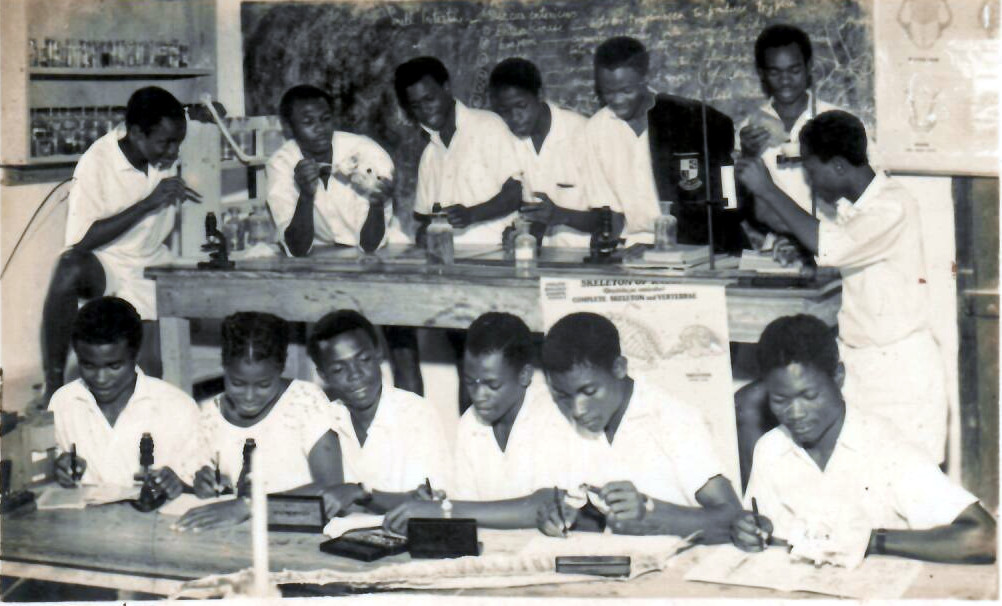
In 1962, the Eastern Nigerian Government awarded him a scholarship to study at the Federal Advanced Teachers College, Akoka, Lagos, where he completed his programme in 1965. Shortly afterwards, he secured another Federal Government scholarship to study Chemistry at the University of Nigeria, Nsukka (UNN). However, the outbreak of the Nigerian Civil War in 1967 disrupted his studies, forcing him to relocate to Ibadan, where he enrolled at the University of Ibadan and eventually graduated in 1971 with a degree in Chemistry.
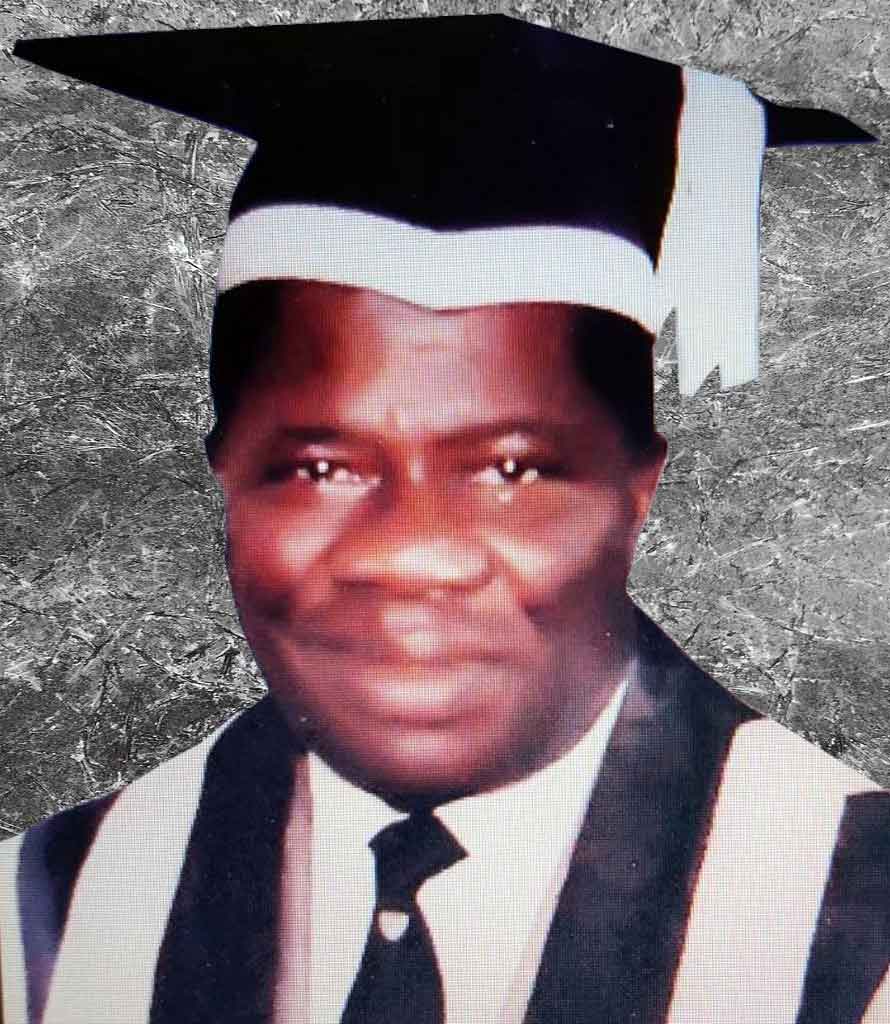
Driven by an insatiable quest for knowledge, Dr. Isukul proceeded to the University of Essex, Colchester, England, in September 1972 for his doctoral studies. In 1975, he earned a Ph.D. in Chemistry, becoming one of the first two sons of Ogbia Kingdom to attain an academic doctorate degree, alongside Livingstone Dangana-Osu. In 1978, he further expanded his academic horizons after winning a Fellowship to the University of Hawaii, Honolulu, USA, where he taught and conducted research for one year.
Before his rise in academia and politics, Dr. Isukul worked as a Chemistry teacher at Stella Maris College, Port Harcourt, between 1965 and 1967. It was there he developed a close relationship with the renowned environmental activist and literary icon, Ken Saro-Wiwa, who taught English Language at the same institution. Their paths crossed again during the Nigerian Civil War when both men fled the Eastern Region amid the crisis. In a dramatic escape through the creeks of Bane to Bonny, they disguised themselves as fishermen. Upon arrival in Bonny, Federal troops mistakenly arrested them as suspected Biafran spies, and they spent about a month in detention before a former schoolmate intervened for their release.
Following the war, Dr. Isukul briefly served as Education Officer II in the Rivers State Ministry of Education in 1971. Around this period, the Ogbia Brotherhood appealed to him to establish a secondary school at Itokopiri in Ogbia Kingdom. Accepting the challenge, he founded Government Secondary School, Itokopiri, almost from scratch. With little infrastructure available, he worked tirelessly with the community to erect makeshift classrooms, hostels, and staff quarters. He simultaneously served as Principal, teacher, and housemaster, laying the foundation for the institution’s future growth.
In 1976, Dr. Isukul joined the Rivers State College of Science and Technology and later became one of the pioneer lecturers in the Department of Chemistry at the newly established University of Port Harcourt. During his illustrious teaching career, he mentored numerous students who later became notable figures, including Dr. Goodluck Ebele Jonathan, former President of the Federal Republic of Nigeria.
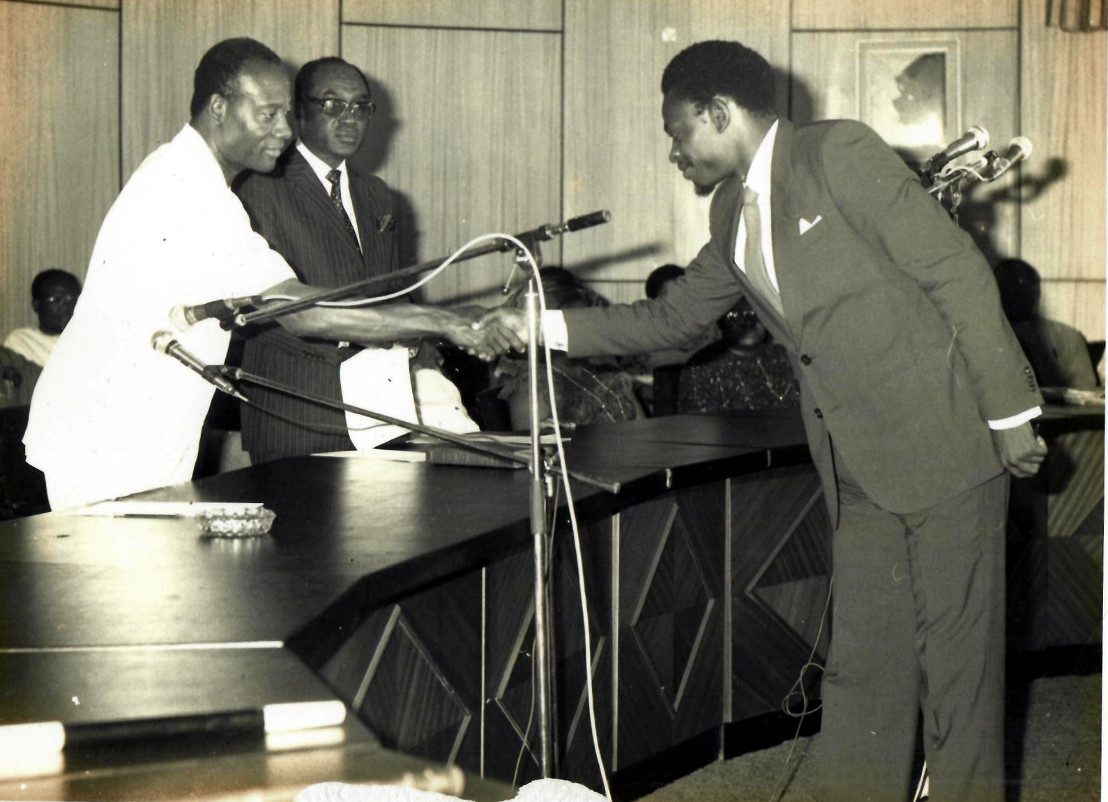
His brilliance and administrative competence attracted the attention of the administration of Chief Melford Okilo, the first civilian governor of old Rivers State. In 1979, he was appointed Technical Assistant to Professor T.T. Isoun, Adviser on Science and Technology to the Rivers State Government. Together, they conceptualized and laid the structural and academic foundation for the Rivers State University of Science and Technology (now Rivers State University), established in 1982 as Nigeria’s first university of science and technology.
That same year, Dr. Emmanuel Azibaoloniyar Isukul was appointed Honourable Commissioner for Health and Member of the Rivers State Executive Council. Following Governor Okilo’s re-election in 1983, he was reassigned as Commissioner for Agriculture and Natural Resources. However, the military coup led by Major General Muhammadu Buhari on December 31, 1983 abruptly ended the civilian administration. Dr. Isukul, alongside other political office holders, was arrested and detained over allegations against the former government. He spent about a year in detention before regaining his freedom in 1984.
After his release, he withdrew from active academic life and ventured into private business and contracting. In 1996, while traveling to the Nigerian Agip Oil Company (NAOC) Terminal in Twon Brass for a project, he was involved in a devastating boat accident that fractured his left thigh and left him bedridden for nearly three years. Despite the physical pain and setbacks, Dr. Isukul remained mentally resilient and continued contributing to public development.
His passion for Bayelsa State and the advancement of education remained unwavering. He was an active member of the Bayelsa State Creation Committee and one of the intellectual voices that championed the actualization of Bayelsa State, which was eventually created on October 1, 1996, by General Sani Abacha.
In March 2000, Governor Diepreye Solomon Peter Alamieyeseigha appointed Dr. Isukul into a committee of eminent scholars charged with designing the framework for the establishment of a state-owned university in Bayelsa State. The committee’s work led directly to the creation of the Niger Delta University, Wilberforce Island, Amassoma, a landmark institution that stands today as one of his enduring legacies. He also served as a member of the Bayelsa State Advisory Committee, Member of the Bayelsa State Prerogative of Mercy, and Chairman of the Governing Council of the Bayelsa State College of Arts and Science.
Beyond his academic and political achievements, Dr. Isukul was a devoted Anglican Christian and a dedicated family man. He met his beloved wife, Caroline, at the Federal Advanced Teachers College, Akoka, Lagos, and they were married on December 30, 1968, at the High Court of Ghana. Their union was blessed with four children — three sons and a daughter.
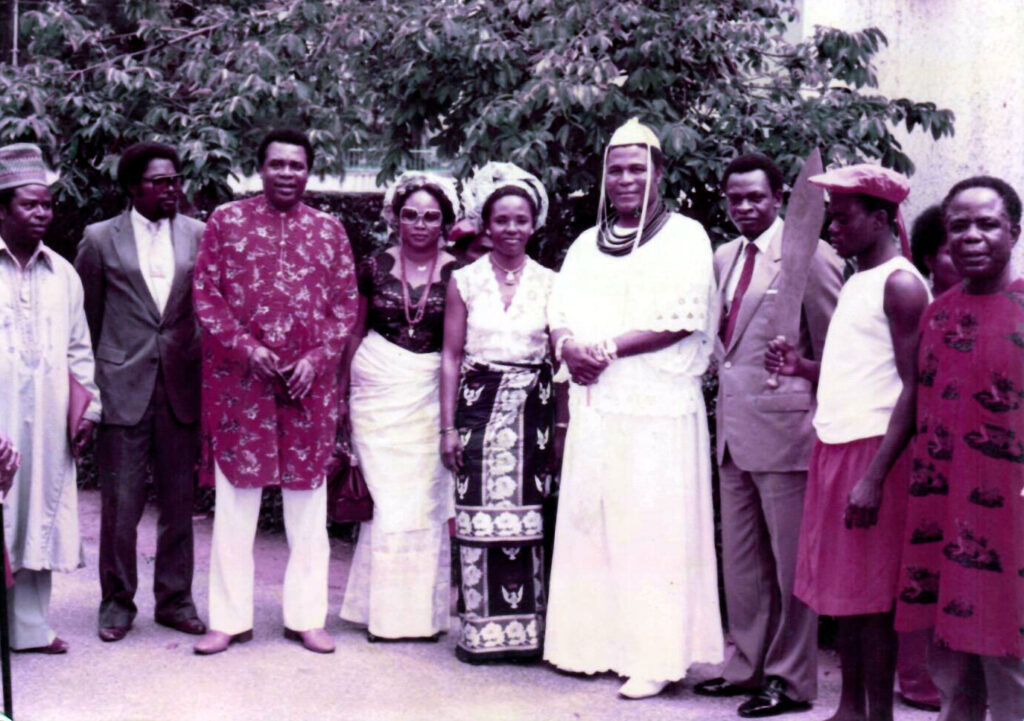
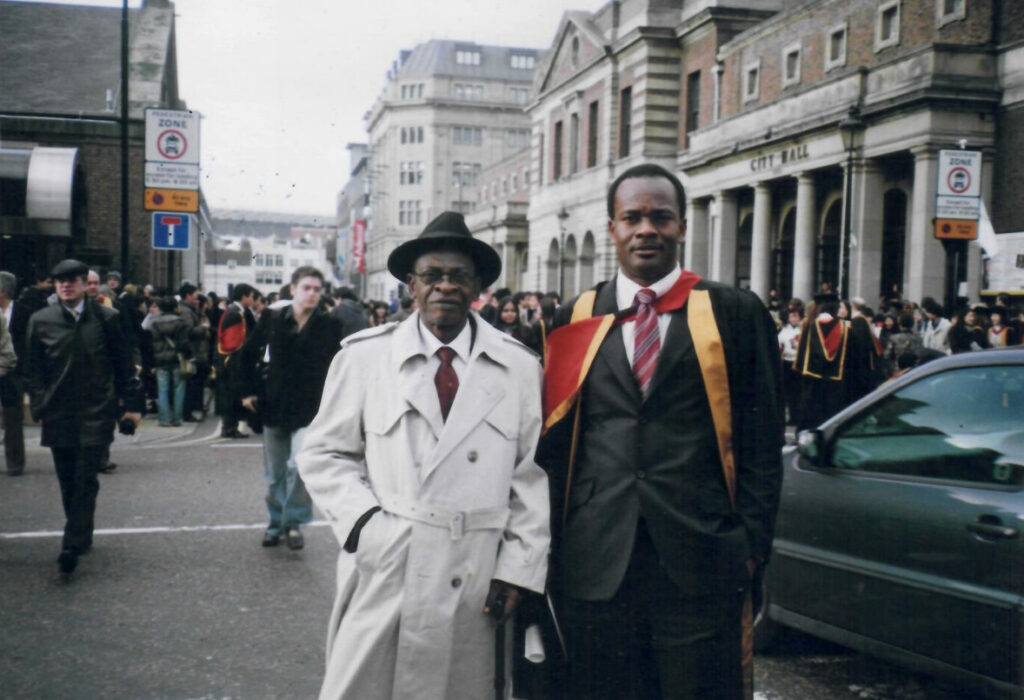
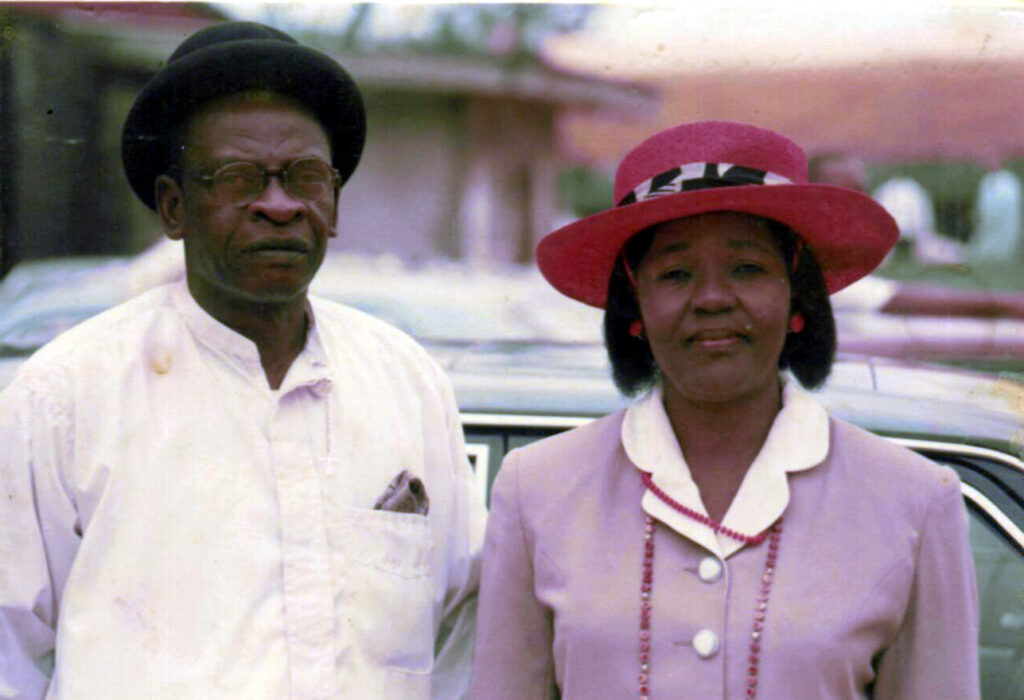
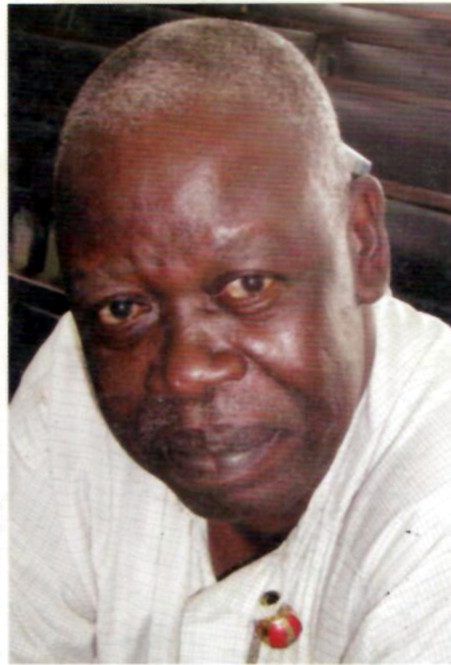
Following years of health complications resulting from the 1996 boat accident, Dr. Emmanuel Azibaoloniyar Isukul passed away on October 6, 2018, in his hometown of Kolo, Ogbia Local Government Area of Bayelsa State, at the age of 76.
Dr. Emmanuel Azibaoloniyar Isukul will forever be remembered as a scholar of uncommon brilliance, a nation-builder, a mentor of leaders, and a steadfast advocate for the development of Bayelsa State and the Niger Delta. Through his sacrifices, intellect, and service, he left behind a legacy deeply etched in the educational, political, and historical landscape of Nigeria.
Source
Timeless Persons Blog acknowledges the Isukul family for providing valuable information, historical records, and insights about the life and legacy of the late Dr. Emmanuel Azibaoloniyar Isukul