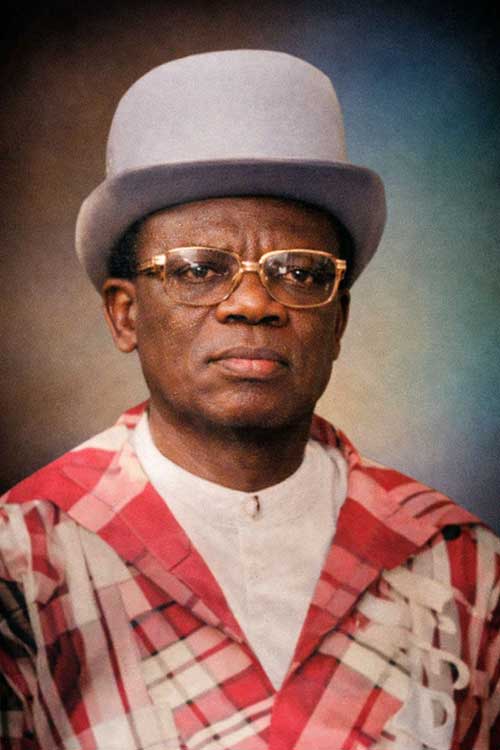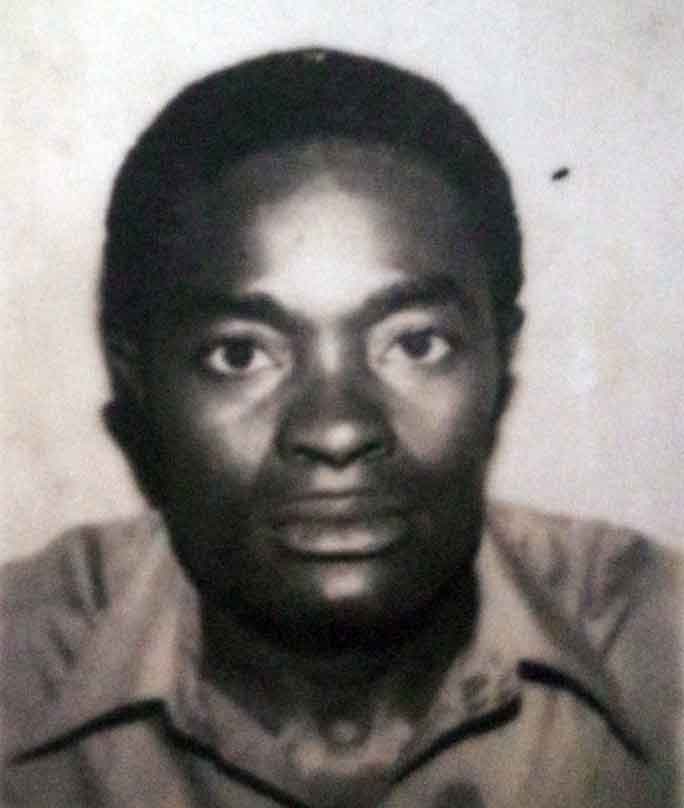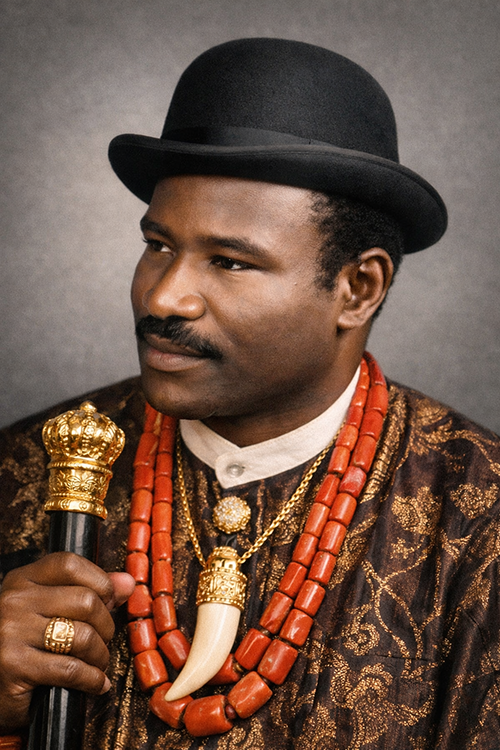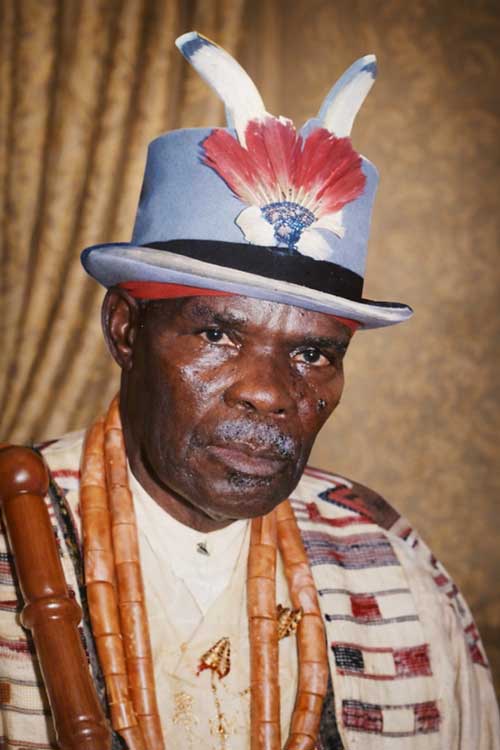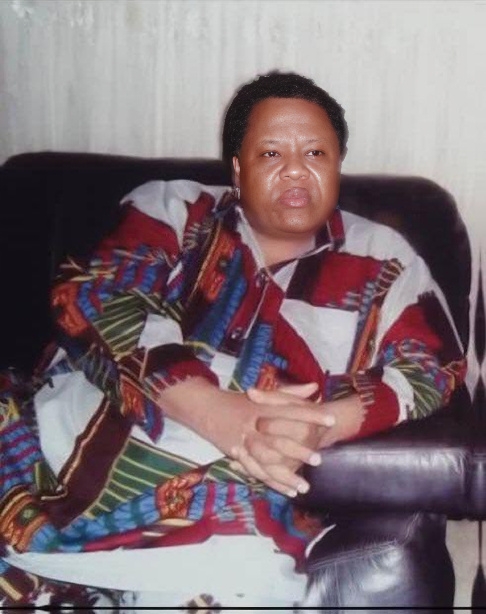
Early Life and Family Background
Born on 7th May 1955 in Bukuru, Jos, Plateau State, Chief Ebenezer Ferguson Isokariari, JP, hailed from the distinguished family of Late Alabo and Alabota Ferguson Frank Isokariari of Buguma, Asari‑Toru Local Government Area, Rivers State. His father, a prominent Chief in the Da Isokariari Group of Houses, created his personal chieftaincy stool in 1977 and served as Senior Staff at the Rivers State University of Science and Technology until his peaceful passing on 14th October 1983.
Chief Isokariari’s lineage is steeped in history and honour. His grandfather, Late Chief Frank Goodhead (Isokariari), founded the Isokariari Compound and War Canoe House in Buguma in 1886. His mother, Late Mrs. Stella Asobari Ferguson Isokariari (née Morrison Goodhead), was a Paris‑ and London‑trained beautician and cosmetologist. From both sides of his family, he inherited a legacy of integrity, cultural pride, and service to humanity.
Raised in an environment that valued education, discipline, and respect for elders, young Ebenezer displayed exceptional intelligence and leadership qualities. His upbringing instilled in him the fear of God, moral strength, and a lifelong commitment to excellence.
Education
- Primary: Government Demonstration School, Surulere, Lagos (1964–1967)
- Secondary: Birch Freeman High School, Lagos (1968–1972)
- Higher School: Lagos Anglican Boys Grammar School (Former CMS) (1973–1974) — HSC‑BBC, Best Student in Social Sciences
- University: University of Lagos, Akoka — B.Sc. Political Science (1974–1977)
- NYSC: Served in Gongola State (now Adamawa/Taraba States) — Best Corps Member of the Year (1977/1978)
Career and Public Service
Chief Isokariari began his career in the Rivers State Civil Service in 1978 as Admin Officer VII (Assistant Secretary, Ministry of Works). His brilliance and dedication quickly earned him successive appointments:
- Private Executive Secretary, Deputy Governor’s Office (1979–1983)
- Senior Assistant Secretary, Chieftaincy Affairs, Governor’s Office
- Principal Assistant Secretary / Under‑Secretary, Ministry of Lands and Housing
- Under‑Secretary, Health System Fund Programme, Ministry of Health and Social Services
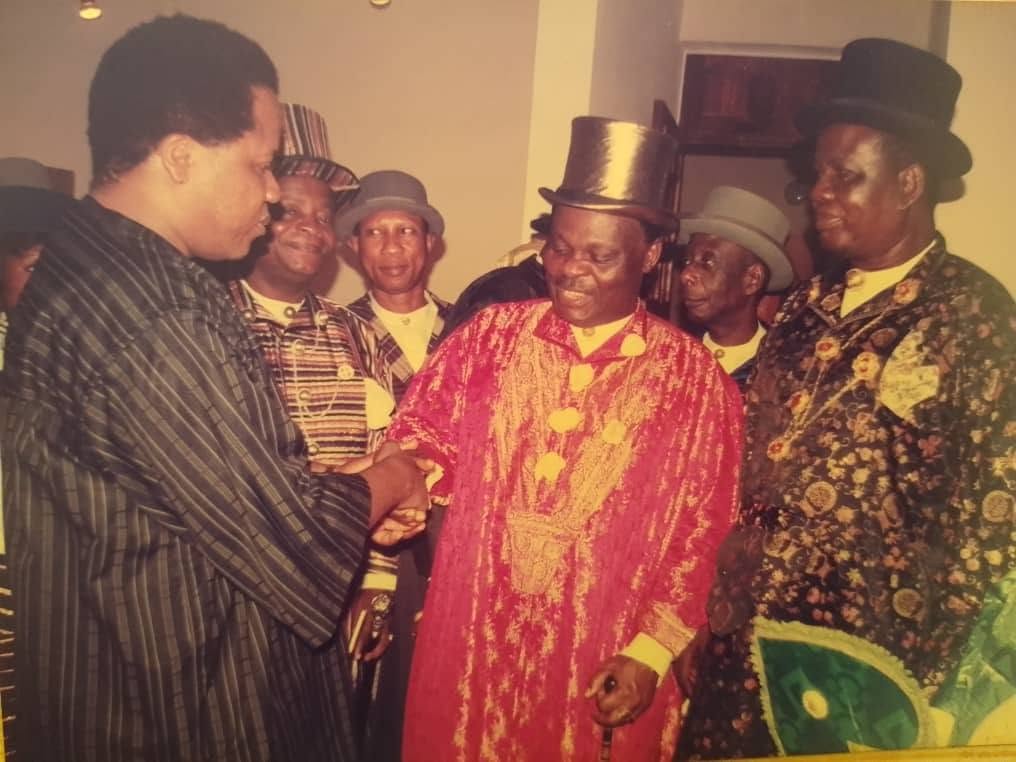
In 1990, he was appointed Executive Caretaker Chairman, Asari‑Toru Local Government Council by Military Governor Group Captain Ernest O. Adeleye. His tenure transformed ASALGA, earning him the Best Local Government Chairman of the Year (1991) and an on‑the‑spot promotion to Deputy Director.
He later served as Director‑General, Ministry of Lands and Housing (1992–1996) under Governors Rufus Ada George and Dauda Musa Komo. His achievements included:
- Multiplying the housing stock in Rivers State.
- Supervising urban renewal programmes and creating satellite towns.
- Empowering land donors and indigenes through mass land allocations.
- Reforming building plan approvals and property consent systems.
In 1996, Chief Isokariari was appointed Secretary to the Rivers State Government and Head of Service by Colonel Musa Shehu. His tenure remains a benchmark of administrative excellence.
Role in Rivers and Bayelsa State Asset Sharing (1996)
As SSG and Head of Service, Chief Isokariari coordinated the Inter‑State Assets and Liabilities Sharing Committee during the creation of Bayelsa State. His leadership ensured fairness, transparency, and harmony between both states — a feat still remembered as one of the most professionally executed transitions in Nigeria’s administrative history.
Traditional and Community Leadership
Conferred as an Accredited Chief of Kalabari Kingdom by His Royal Majesty, King Obaye Abiye Suku Amachree X (CON) on 9th March 1995, Chief Isokariari embodied wisdom, peace, and cultural pride. He received 43 chieftaincy titles across Nigeria, including:
- Opeleya I of Ogonokom (Abua/Odual)
- Eze Osamali of Ahoada
- Agida I of Etche
- Eze Ochiariri I of Isiokpo
- Eze Omenaoha I of Egbeda
- Okala III of Etche Land
- Obugama I of Elele
- Odozi Obodo of Ozalla Kingdom (Enugu State)
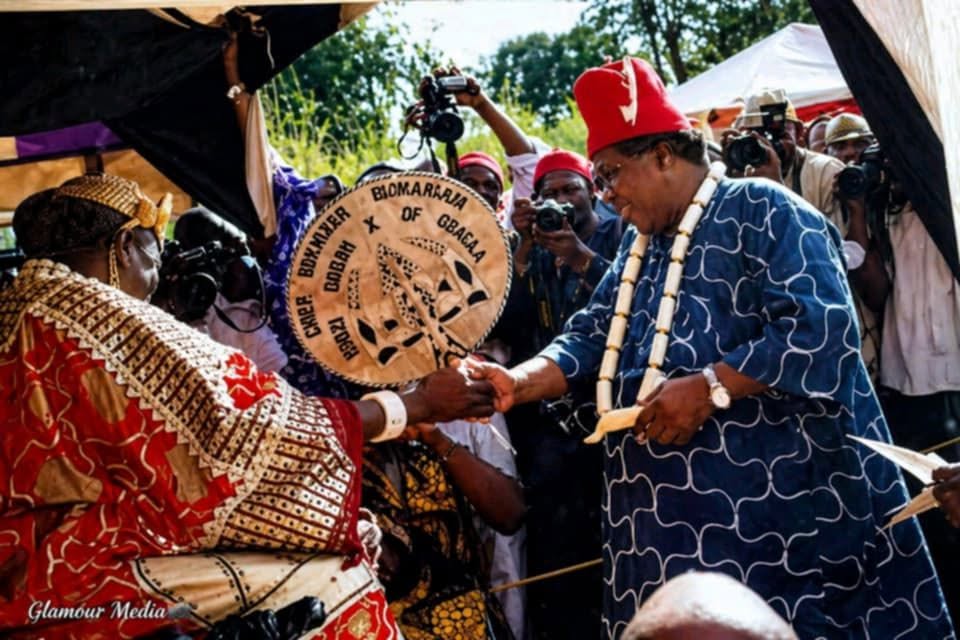
His community projects: roads, schools, scholarships, and housing — remain enduring monuments of his leadership.
Honours and Awards
- National Honour for Outstanding Performance, NYSC (1977–1978) — Presented by Head of State General Olusegun Obasanjo
- NUJ Best Officer Award
- Award of Excellence for National Unity, Northern Community Base, Rivers State
- Fellow & Patron, Institute of Industrial Administration of Nigeria (1997)
- Fellow & Life Patron, Institute of Management Specialists of Nigeria (1997)
- Associate Member, Institute of Personnel Management of Nigeria (1997)
He was also honoured as Best Chairman of Local Government Council (1991) and Best Civil Servant (1990).
Political Life and the 1999 Election Dynamics
As Nigeria transitioned from military to democratic rule in 1999, Rivers State entered a new era of political competition shaped by its historic Upland–Riverine dichotomy. The Riverine comprises the Kalabaris, Okirikans, Ibanis, Andonis, and other coastal groups, while the Upland comprises the Ikwerres, Ogonis, Ekpeyes, Oyigbos, Etches, and Ogbas. This divide has long influenced debates about fairness and representation in governance.
Within this framework, Dr. Peter Odili, from Ndoni (Upland), contested the governorship under the People’s Democratic Party (PDP) against Chief Ebenezer F. Isokariari, JP, from Buguma (Riverine Kalabari), who ran under the All People’s Party (APP). Both men hailed from the Rivers West Senatorial District, which includes Ogba/Egbema/Ndoni, Ahoada West, Ahoada East, Abua/Odual, Degema, Akuku‑Toru, Asari‑Toru, and Bonny.
The 1999 election was one of the most fiercely contested in Rivers State’s history. Dr. Odili selected Sir Gabriel Toby from Opobo in the Rivers South‑East Senatorial District as his running mate, while Chief Isokariari chose Sir Clement Menegbo, an Ogoni also from the South‑East district. This reflected a deliberate effort to balance representation across senatorial zones.
Although Dr. Odili emerged victorious and was inaugurated on 29th May 1999, Chief Isokariari’s candidacy embodied the aspirations of the Riverine people for equity and inclusion. His campaign was marked by integrity, administrative experience, and a vision for balanced development. Analysts later noted that his religious affiliation with the Brotherhood of the Cross and Star (BCS), led by Olumba Olumba Obu, factored into shifting alliances and perceptions during the race — a dynamic that some Riverine Ijaws later considered a strategic misstep.
Despite the outcome, Chief Isokariari demonstrated his statesmanship by personally leading his supporters to congratulate Dr. Odili, affirming his belief in politics without bitterness.
Subsequent elections reinforced the Upland–Riverine debate. In 2007, Sir Celestine Omehia, an Ikwerre (Upland), was elected governor, and though his election was later upturned in favour of his cousin Rt. Hon. Rotimi Amaechi, the governorship remained within the Ikwerre ethnic nationality. This continuity has fueled ongoing arguments that the Upland bloc has held sway for over 15 years, leaving the Riverine groups — particularly the Kalabaris — feeling marginalized.
Another perspective emphasizes the Senatorial District arrangement. Rivers State has three senatorial districts:
- Rivers West: Ogba/Egbema/Ndoni, Ahoada West, Ahoada East, Abua/Odual, Degema, Akuku‑Toru, Asari‑Toru, Bonny.
- Rivers East: Port Harcourt, Ikwerre, Okirika, Ogu/Bolo, Obio‑Akpor, Etche, Omuma, Emouha.
- Rivers South‑East: Opobo/Nkoro, Andoni, Oyigbo, Tai, Eleme, Gokana, Khana.
During the 1999 election, both Odili and Isokariari represented Rivers West, and their choice of running mates from Rivers South‑East highlighted the importance of senatorial balance. Yet, while Rivers West and Rivers East have produced governors, Rivers South‑East remains yet to do so — fueling calls for fairness and equity in subsequent elections.
Chief Isokariari’s role in this pivotal moment remains significant. His campaign symbolized the Riverine quest for representation and equity, and though he did not win, he secured something greater: the enduring respect of Rivers people across ethnic lines. His name is indelibly written in the political history of Rivers State as a man of courage, integrity, and peace.
Faith and Family Life
A devoted Christian, Chief Isokariari served faithfully in the Brotherhood of the Cross and Star (BCS), rising to the rank of Bishop and later embracing the Pentecostal faith.
He was married to Dr. Mrs. Abosede Isokariari (née Obassa) of Lagos State, a London‑trained beautician and cosmetologist; Mrs. Rosannah Isokariari (née Amadi), a trained nurse from Isiokpo; and Mrs. Fanty Isokariari (née Gabriel Kio), a graduate of Secretarial Administration from Rivers State University. His marriages were blessed with children and grandchildren who continue his legacy of excellence.
Social and Cultural Life
Fondly known as “Gbasa Pakate”, Chief Isokariari was a cultural icon and patron of numerous Kalabari dance and music groups. His charisma and love for the arts inspired the Akaso Cultural Society’s 1994 album Gbasa Pakate, immortalizing his name in Kalabari folklore.
A passionate football enthusiast and former school goalkeeper, he remained active in sports promotion throughout his life.
Legacy and Transition to Glory
Chief Ebenezer F. Isokariari, JP, lived a life of purpose, humility, and service. His contributions to governance, culture, and humanity earned him a place among Rivers State’s most distinguished sons.
He peacefully transitioned to glory on 22nd July 2025, leaving behind a legacy of integrity, compassion, and excellence. His life remains a shining example of leadership rooted in faith and love for humanity.
Rest on, great son of Kalabari, Rivers State, Niger Delta, and Nigeria. Your light continues to shine in the hearts of all who knew you.
Source:
- This biography was made possible by the contribution of a family member, Engr. Ebenezer Isokariari Jnr, son of Chief Ebenezer Isokariari.
Citation
- Source: Vanguard News – “Book Serial: Conscience and History – My Story, by Peter Odili,” February 3, 2013.
- Access: https://www.vanguardngr.com/2013/02/book-serial-conscience-and-history-my-story-by-peter-odili/