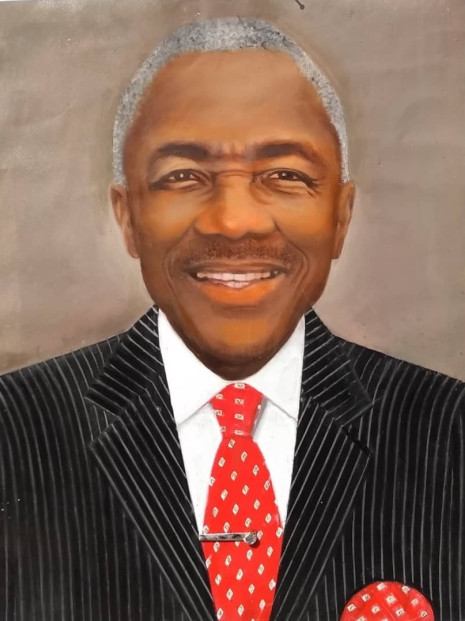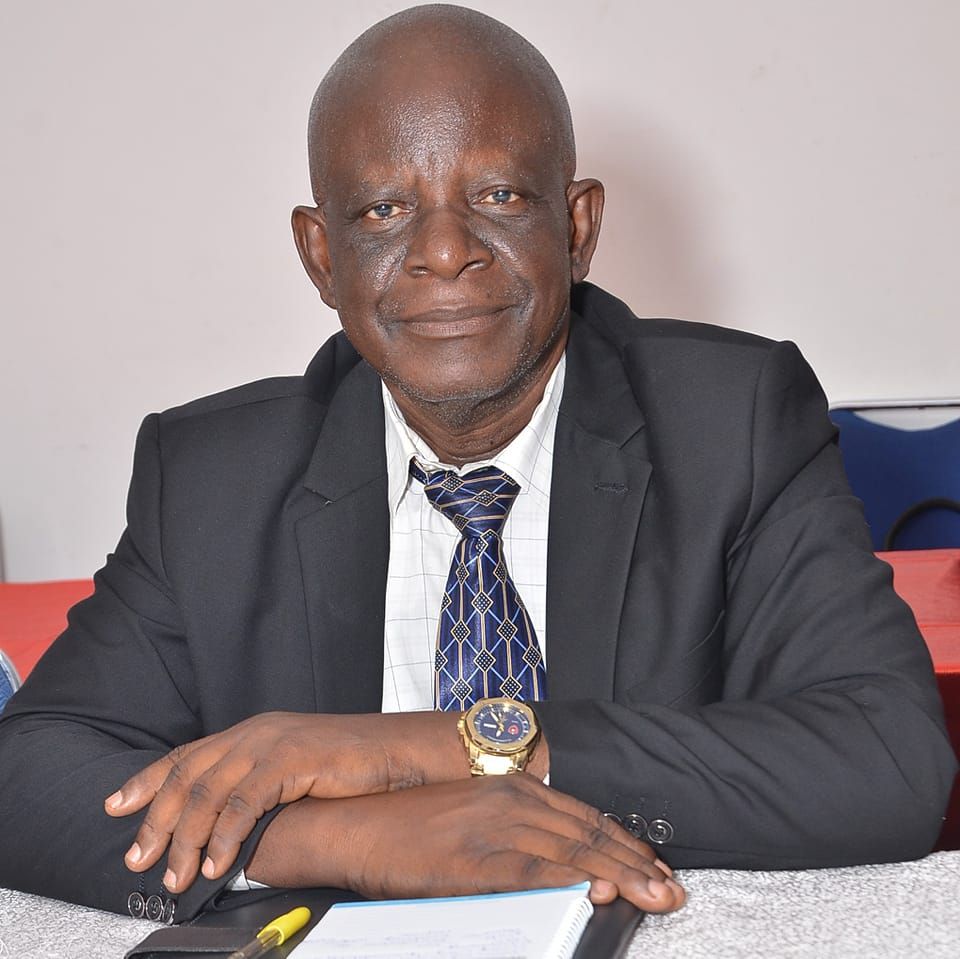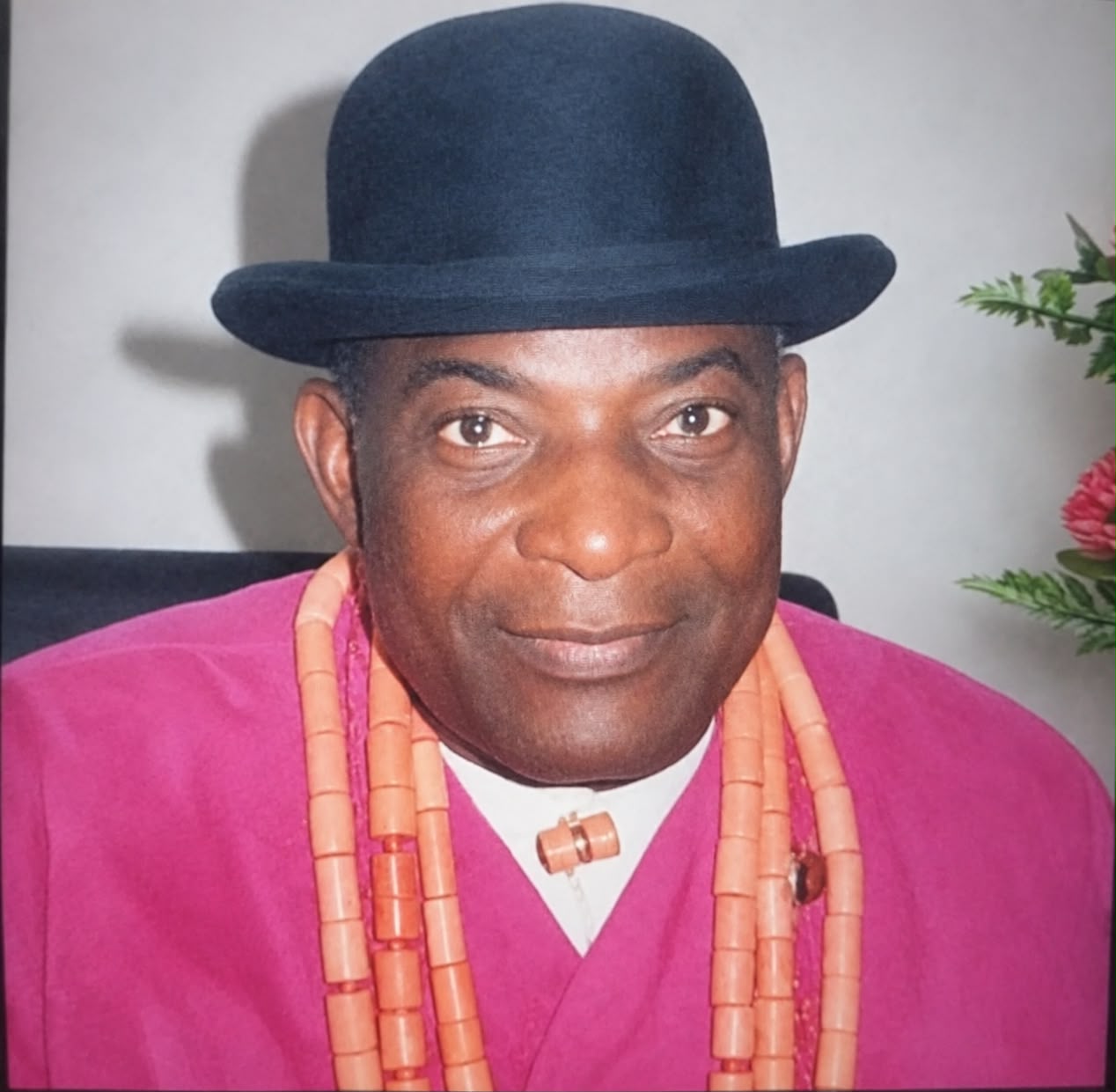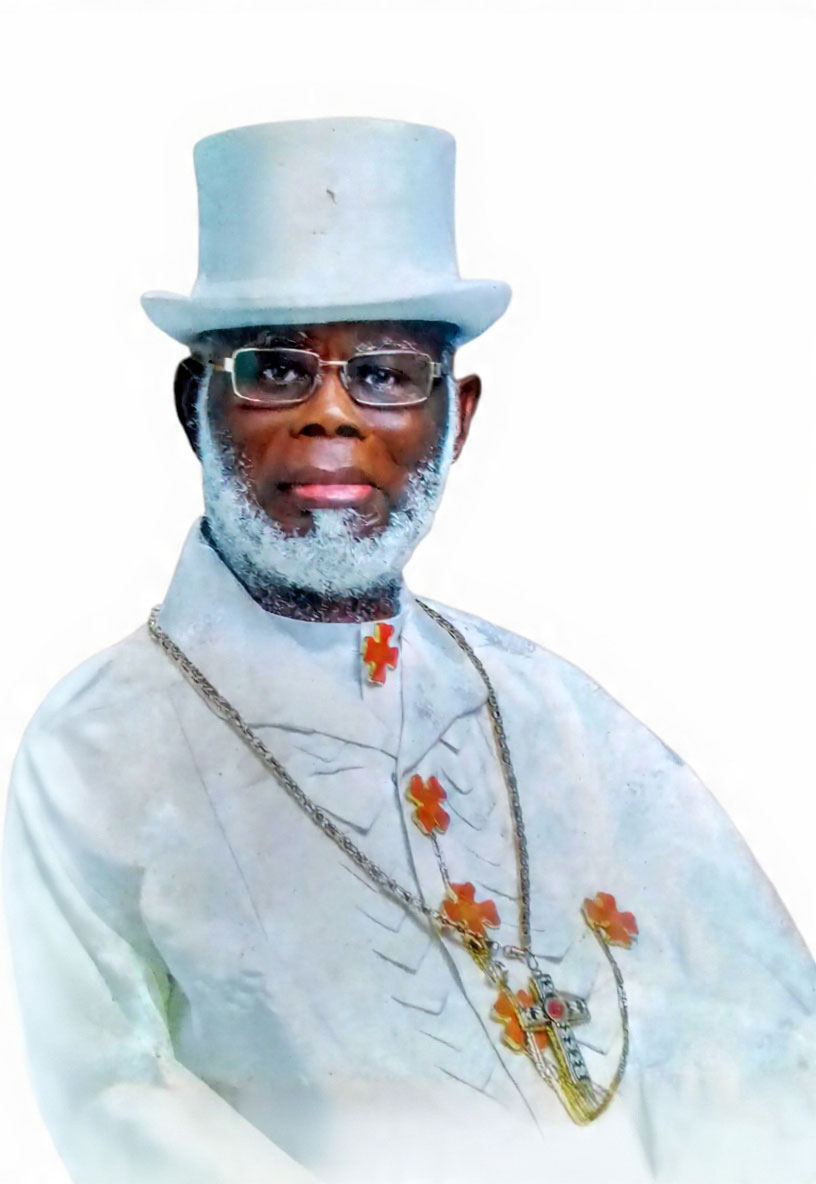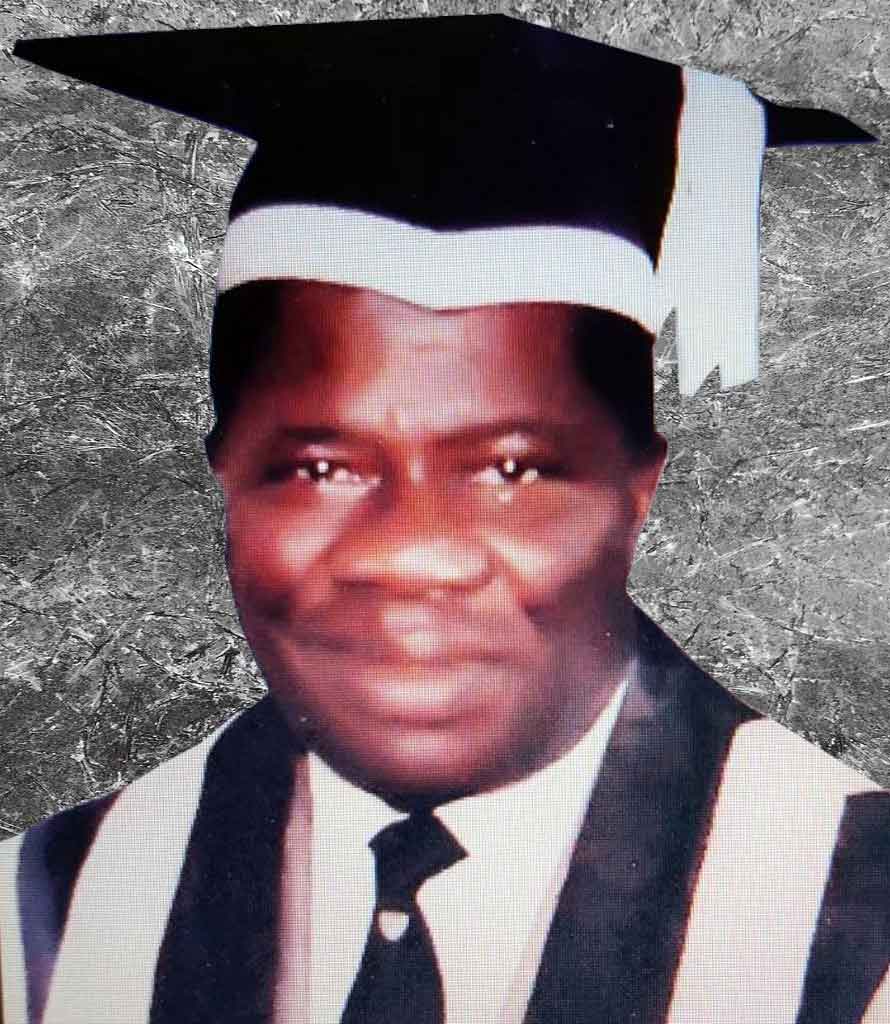
Physician | Scholar | Institution Builder | Visionary Leader
Professor Theodore Idibiye Francis stands as one of Nigeria’s most distinguished medical minds and academic architects—a man whose life fused brilliance, discipline, and visionary leadership into a legacy that continues to shape medicine and higher education in Nigeria and beyond.
Early Life and Heritage
Born on August 9, 1933, in Nembe, Rivers State, Theodore Idibiye Francis emerged from a lineage steeped in intellectual distinction, spiritual influence, and warrior heritage. His father, Theophilus Ayaebaekimiebi Francis, served as an accounts clerk, while his mother, Comfort Atonbara Francis, was a dedicated schoolteacher.
His maternal grandfather, Reverend Canon Daniel Ogiriki Ockiya, was a towering cultural and religious figure who translated the Holy Bible, Common Prayer Book, and Sacred Songs into the Nembe language, positioning it among the earliest Nigerian languages with biblical texts. His ancestry also traced back to formidable warriors, including King Josiah Constantine Ockiya Mingi VII, Amanyanabo of Nembe, remembered for introducing Christianity to the kingdom and leading historic campaigns such as the 1895 Akassa Raid.
Education and Formative Excellence
Francis began his educational journey at St. Cyprian’s School, Port Harcourt (1939–1946), before proceeding to the prestigious Government College, Umuahia (1947–1952), where he distinguished himself both academically and in sports, actively participating in hockey and cricket.
His academic brilliance earned him admission into University College, Ibadan (1952–1956) as a Federal Government Scholar, where he pursued Medicine. Following his preclinical training, he was among the last cohort of Nigerian students sent to the United Kingdom for clinical training, a testament to his exceptional promise.
Between 1956 and 1959, he trained at Guy’s Hospital Medical School, London, earning:
- L.R.C.P., M.R.C.S. (August 1959)
- M.B.B.S. (London) (November 1959)
Medical Achievements and Academic Distinction
Driven by relentless pursuit of excellence, Francis advanced his postgraduate studies at the Liverpool School of Tropical Medicine (1962), obtaining D.T.M. & H (Liverpool). That same year, he achieved a rare academic feat—becoming the 6th Nigerian to earn M.R.C.P. (London) and the 11th Nigerian to obtain M.R.C.P. (Edinburgh).
His early professional trajectory reflected rapid ascent and exceptional competence:
- House Officer, St. Olave’s Hospital, London (1955–1960)
- Medical Registrar, Walton Hospital, London (1962–1963)
- Senior Registrar, University College Hospital, Ibadan (1963–1964)
- Consultant Physician, University College Hospital, Ibadan (from 1964)
- Lecturer I, University of Ibadan (1964–1968)
- Senior Lecturer (1968–1972)
- Professor of Medicine (from 1972)
- Head, Department of Medicine (1974–1977)
At the University of Ibadan, he shattered long-standing academic barriers by proving that distinction in Medicine was attainable, mentoring students who achieved what had once been considered impossible.
Global Exposure and Research Excellence
Between 1966 and 1968, Francis was awarded the prestigious Rockefeller Foundation Fellowship to Harvard University, Boston, where he served as a Clinical and Research Fellow at the renowned Thorndike Memorial Laboratory, Boston City Hospital—an institution associated with groundbreaking medical discoveries and Nobel laureates.
He rose to global prominence as an authority on liver diseases, contributing significantly to the study of hepatitis B and viral infections, spanning epidemiology, pathology, and experimental medicine.
His professional recognitions included:
- Member, Royal Society of Surgeons, England (1959)
- Member, Royal College of Physicians, London and Edinburgh (1962)
- Foundation Fellow, Nigerian Postgraduate Medical Faculty of Physic (1970)
- Fellow, Royal College of Physicians, Edinburgh (1972)
- Fellow, Royal College of Physicians, London (1975)
- Fellow, West African College of Physicians (1976)
- Foundation Fellow, Nigerian Academy of Sciences (1977)
Transforming Medical Education in Nigeria
In 1979, Professor Francis was appointed Pioneer Provost of the College of Health Sciences and Chief Medical Director of the University of Port Harcourt Teaching Hospital (UPTH). In this dual role, he laid the foundation for a modern, globally aligned medical training system in Nigeria, emphasizing scientific rigor, clinical excellence, and innovation.
Nation Builder: The FUTA Legacy
In 1981, in recognition of his exceptional leadership and institution-building capacity, President Shehu Shagari personally appointed him as the Pioneer Vice-Chancellor of the Federal University of Technology, Akure (FUTA)—Nigeria’s first university of technology.
At a time when the concept of technology-focused universities faced skepticism, Francis embraced the challenge with vision and courage. Over his seven-year tenure (1981–1988), he:
- Built FUTA from the ground up
- Assembled a team of top scholars and technocrats
- Established a culture of excellence and innovation
His leadership transformed FUTA into a top-ranking technological institution, laying the groundwork for Nigeria’s modern technology-driven higher education system.
Global Influence and Professional Engagements
Professor Francis’ influence extended across continents. He was an active member of several leading international bodies, including:
- West African Society of Gastroenterology
- American Society of Gastroenterology
- International Association for the Study of the Liver
- Nigerian Society of Endoscopy
In 1973, he served as Vice-Chairman of the WHO Expert Panel on the Assessment of Audio-Visual Aids, underscoring his global recognition.
He also served as an external examiner across institutions in Ghana, Lagos, the West Indies, and Obafemi Awolowo University, contributing to the advancement of medical education worldwide.
Community Leadership and Cultural Identity
In 1989, he established a Think Tank in Port Harcourt to address challenges in education, healthcare, and rural development in Nembe. His contributions earned him the chieftaincy title Chief Ogiriki, conferred on April 14, 1990, by His Royal Highness, Justice Ambrose E. Allagoa, Mingi XI, Amanyanabo of Nembe.
His identity and philosophy were symbolized by:
- Emblem: Shield with ivory tusks (nobility and majesty)
- Colors: Purple (devotion), Blue (truth), White (peace)
- Motto: “Mu Fere Mondi” — “Go and Work”
Personal Life and Final Years
Professor Francis married Adebola Ore-lorun Erinoso in 1972, and their union was blessed with three sons and three daughters.
A devout Christian, he remained committed to teaching, mentorship, and research until his final days. Known for his humility, patience, and intellectual depth, he inspired generations of students, colleagues, and administrators.
He passed away at King’s College Hospital, Denmark Hill, London, on March 16, 1992.
Enduring Legacy
Professor Theodore Idibiye Francis was more than a physician—he was a nation builder, a trailblazer in medical science, and a visionary architect of modern education in Nigeria.
His legacy endures in:
- The transformation of medical education
- The global recognition of Nigerian medical scholarship
- The establishment and success of FUTA
- The countless lives he mentored and influenced
He remains a towering figure whose life proves that vision, excellence, and service can redefine a nation’s future. 💫