Many adult Nigerians, especially from the Niger Delta, still remember Allstates Trust Bank with nostalgia. It was not just a bank — it was our bank. It ceased to exist after the 2005/2006 banking consolidation led by Prof. Chukwuma Soludo, but its full story has never been told in one place.
THE FOUNDER: THE GODFATHER OF MODERN NIGERIAN BANKING
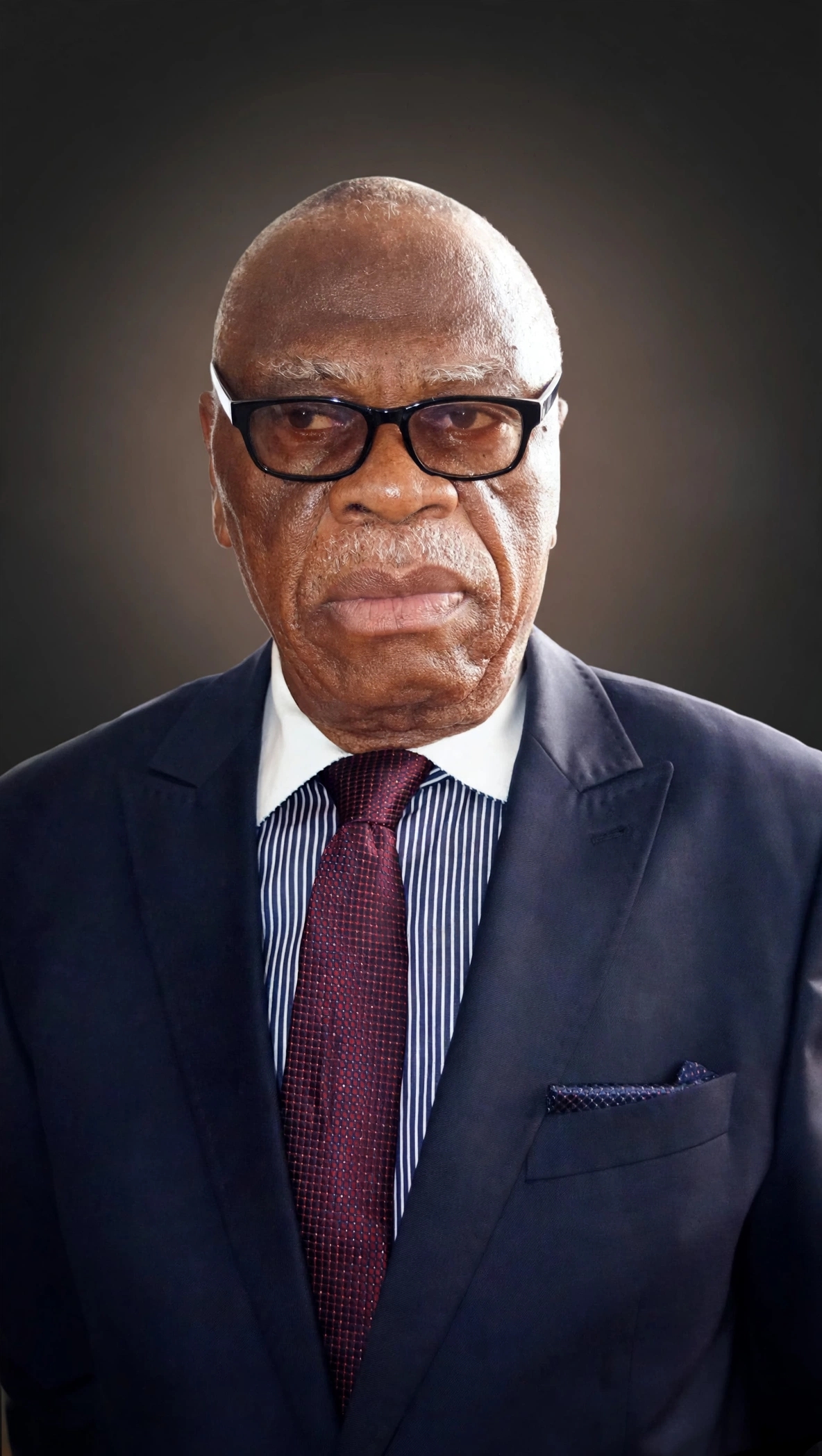
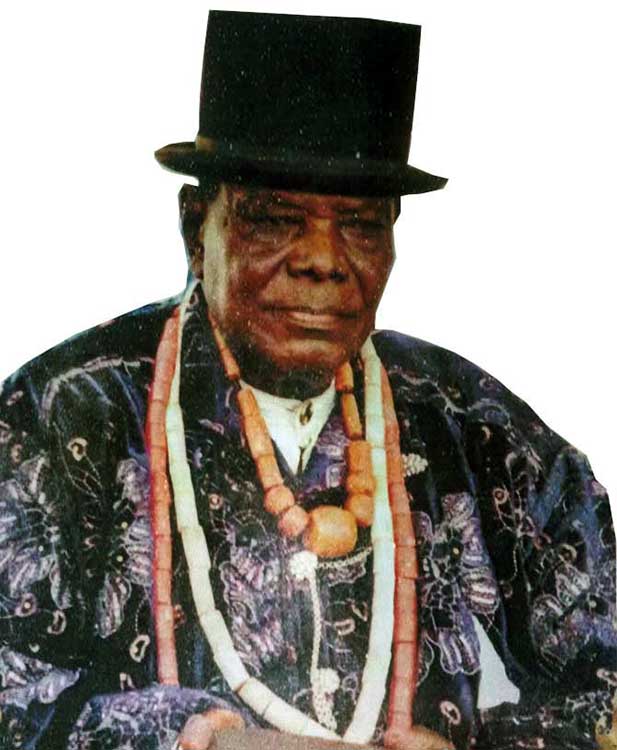
Allstates Trust Bank Plc was founded in October 1988 by Chief Ebitimi E. Banigo, a Harvard MBA, former Citibank New York, Chase Manhattan Bank London, and Managing Director of International Merchant Bank 1981-1986. He also served as Minister of Science and Technology 1999-2000 under President Olusegun Obasanjo. He is now the Amanyanabo of Okpoama Kingdom, Brass, Bayelsa State.
At the 13-years-after reunion of ex-staff in Lagos, former MD/CEO Ebibomo Timitimi said it openly:
“The founder of the bank is regarded as the godfather of modern-day banking in Nigeria. Over 15 people who worked under him have gone on to be MDs of various banks.”
64 BRANCHES AND WHAT IT PIONEERED FIRST
From its head office on Victoria Island, Lagos, Allstates built 64 branches across 18 states.
According to its ex-staff, it pioneered what we now take for granted:
- Electronic banking and cards: At a time when people were being robbed on the road travelling to the East, Allstates introduced credit cards as a safe way to carry cash.
- Saturday banking: It was the first bank to open on Saturdays.
- Staff welfare: First to introduce staff buses and in-house staff canteen.
THE SCHOOL: STAFF WHO WORKED AT ALLSTATES AND NOW OWN BANKS
This is the part NDIC never wrote. Allstates was a university for banking.
1. Tony Elumelu — Now Chairman of UBA, Heirs Holdings, Transcorp
Joined Allstates Trust Bank in 1985 as a junior clerk/salesman. He applied even when he did not meet the advertised criteria. Banigo gave him a chance for his audacity. At 26, he became one of Nigeria’s youngest Branch Managers at Allstates. At 34, he led investors to buy distressed Crystal Bank and renamed it Standard Trust Bank, which later acquired UBA in 2005. He credits Banigo: “At 27, I was given the opportunity of a lifetime: branch manager at AllStates Trust Bank by HRM Ebitimi Banigo.”
2. Ebibomo Timitimi — Last MD/CEO of Allstates Trust Bank
Appointed 5th August 2003 when the MD, two Executive Directors and four senior staff resigned. He led the final 5-man board chaired by Banigo till closure.
3. Halima Buba — MD/CEO SunTrust Bank
Her career profile lists: “Her extensive career spans various reputable institutions including Allstates Trust Bank, Zenith Bank, Inland Bank Plc, Oceanic Bank Plc, and Ecobank Nigeria.” She is today one of Nigeria’s leading female MDs.
4. The Other 15+ MDs
At the Lagos reunion, ex-bankers said Allstates “laid the foundation for their success.” Many now run microfinance banks, serve as EDs and directors in tier-1 banks, and created a WhatsApp platform that still connects them. For the Ijaw Nation, this was huge — at a time when no major bank was owned by a Niger Delta son, Allstates gave young Ijaw graduates their first banking jobs and made them future owners.
WHY IT COLLAPSED: THE NDIC REPORT
The NDIC report titled Failure of Allstates Trust Bank Plc (2006) said:
“The business model whereby its financial resources were being deployed to create unmerited benefits for associated companies was one of the major causes of the bank’s liquidity problems and its eventual failure. Ever before the N25bn requirement in July 2004, the bank was already in crisis.”
- Early warnings since 1994: NDIC examiners warned about deteriorating risk assets.
- Capital failure: Paid-up capital was only N1.53bn in 2003, while losses climbed to N7.42bn by January 2006.
- The N2.39bn IPO Escrow Scandal: In 2005, the bank tried to raise N20bn via IPO to meet CBN’s N25bn deadline. Only N2.44bn was subscribed. SEC said all funds must be in CBN escrow. Issuing houses FBN Capital and BGL remitted N45.94m, but N2.39bn paid directly to Allstates as receiving bank was never remitted in violation of SEC rules. Similarly, N893.14m of Linkage Assurance Plc IPO was trapped. In May 2008, House of Reps investigation found the bank had no credible explanation.
- Insider loans: In 2004 NPLs rose 114% to N3.7bn. By 2005 insider-related bad loans hit N12bn. At closure, total bad loans were N21.08bn — 69.96% of total assets. CBN said Banigo and related companies took over 35% of shareholder equity, violating BOFIA 1991. Senate later listed him as owing N15.7bn without collateral.
- Governance: Power was concentrated in the Chairman as promoter, major shareholder (12.11%) and at one point CEO. IT, security, catering were done by affiliated firms.
THE POLITICAL QUESTION: OBASANJO, BANIGO AND ALAMIEYESEIGHA
This is what Bayelsans still ask.
Banigo had served as Minister under Obasanjo and resigned in less than a year. In 2005, EFCC under Obasanjo was prosecuting Bayelsa Governor Diepreye Alamieyeseigha for money laundering. EFCC found that Euro 2.36m was transferred from Bayelsa Ministry of Works Account domiciled in Allstates Trust Bank to Germany via Commerz Bank, and that Allstates had assisted late DSP Alamieyeseigha.
In October 2005, CBN dissolved Allstates board and referred it to EFCC. In January 2006, its licence was revoked with 13 others.
A US Embassy cable after the revocation noted: “Meanwhile, major debtors, some being President Obasanjo’s most vociferous political opponents, continue to be placed under the financial microscope of the EFCC.”
No court ever convicted Banigo. He was detained by EFCC but not charged. Many in Bayelsa believe the consolidation was also used to settle political scores.
LIQUIDATION
Licence revoked January 16, 2006. Federal High Court winding-up order granted February 24, 2006. NDIC found 93% of depositors had N50,000 and below. Through Purchase and Assumption, Ecobank Plc assumed N22bn private deposits and took over branches. Only N3.01bn of loans was recovered by 2012.
CONCLUSION
Allstates Trust Bank remains a double legacy — a bank that showed Nigeria how to do modern electronic banking, Saturday banking, and how to raise Ijaw youths into bank owners; but also a lesson on how insider lending and political entanglement can destroy even a beloved institution.
It trained the people who now own Nigerian banking.