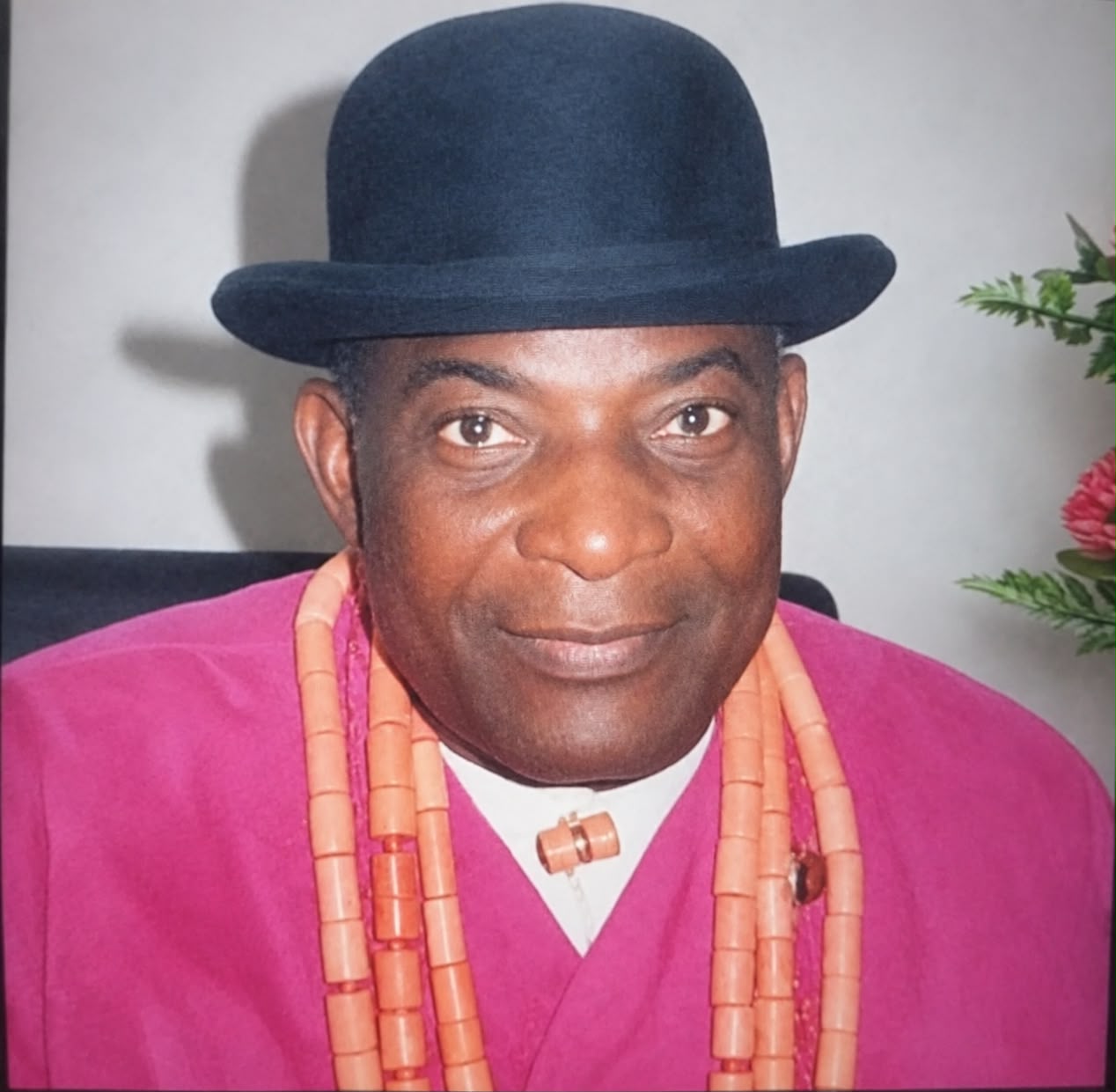
biography of bayelsa’s legendary first-class monarch
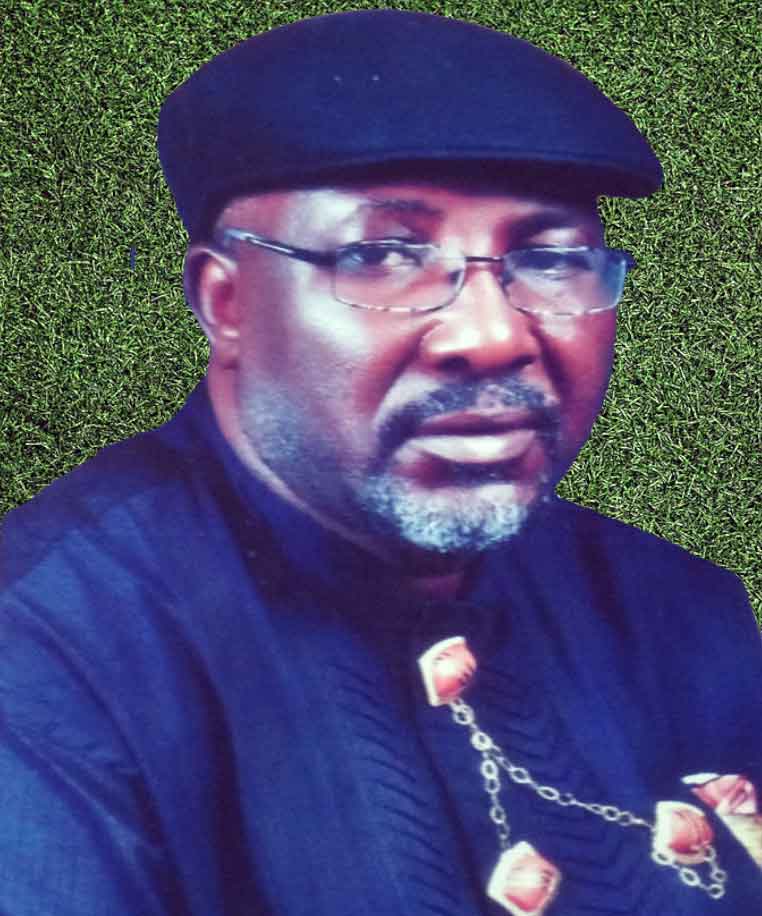
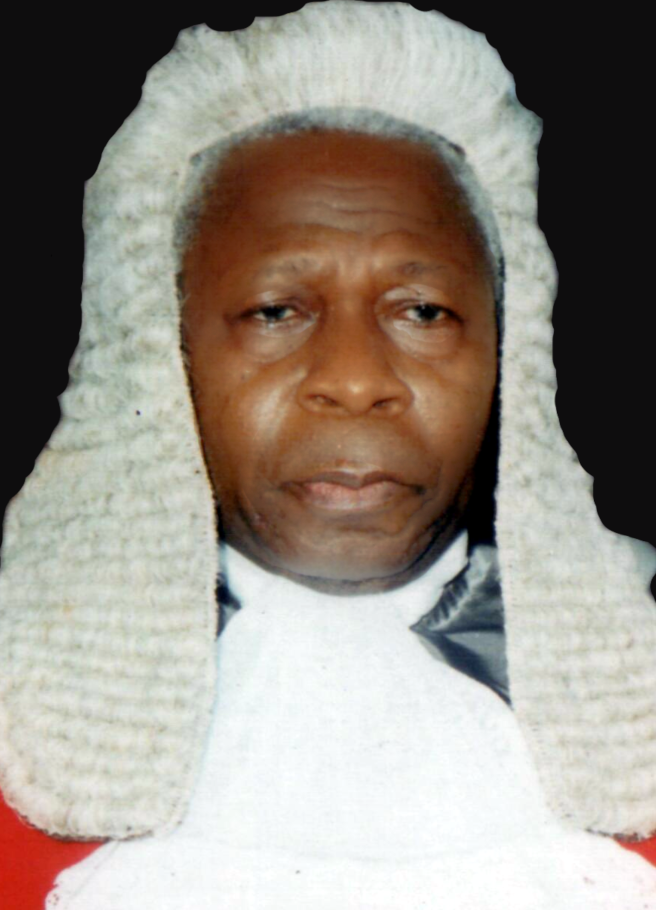
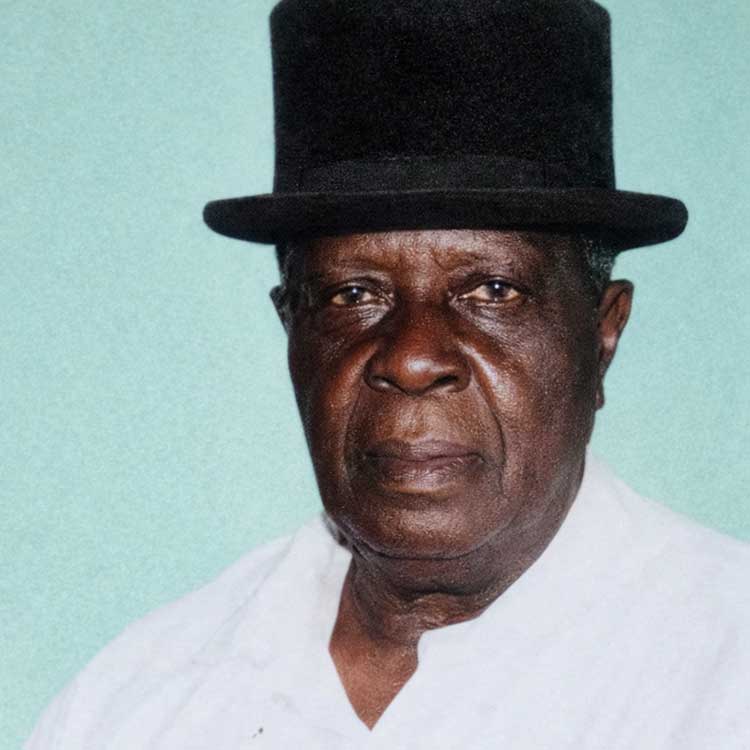
His Royal Majesty King Joshua Iyekorogha Igbagara was an educationist, disciplinarian, administrator, patriot and First-Class Traditional Ruler of Ibeni/Oyiakiri Clan in Sagbama Local Government Area of Bayelsa State. He was a moral compass for his generation.
Birth and Royal Lineage
He was born on February 14, 1936 in his hometown Isoni Community, Sagbama LGA, Bayelsa State, into the wide Royal Family of Ibeni-Oyiakiri Kingdom, to the family of Elder Okodi Igbagara, also recorded as Chief Johnson Okodi Igbagara. Born a royal, he belonged to the bracket of children that can become Amananaowei (Paramount Ruler) of Isoni.
Early Education Against All Odds – 1947 to 1954
In spite of the harsh realities of the 1940s, with no primary school in and around Isoni until 1947 when a distant class was opened at Akeddei, he started his early education in his community completing Standard I. He proceeded to Akeddei Community for Standard II. Because Standards III to VI were not available there, he relocated to St. James’ School, Ekowe in present day Southern Ijaw LGA, where he did Standards III to VI from 1948 to 1954, ending with a Distinction in the First School Leaving Certificate (FSLC) in 1954.
Missionary Teacher – 1954 to 1964
Shortly after Standard VI, he was employed as a Teacher by the Missionaries and posted to Egbema-Angalabiri Community in present Ekeremor LGA, Bayelsa State. He was later transferred to Amassoma in Southern Ijaw LGA where he taught for three years. Fired by zeal for western education, in place of secondary education, he pursued a teachers education programme at St. John’s College, Diobu, Port Harcourt, where he obtained the Teachers Grade Two (TCII) Certificate with effect from January 1, 1964 and immediately started as a Schoolmaster with the Anglican Mission School at St. James, Ekowe.
Headmaster and Traditional Leadership – 1965 to 1977
He distinguished himself as Headmaster of various schools from 1965 to 1971.
He was deeply involved in tradition. He was elected Amananaowei of Isoni in 1968, and after the demise of the Paramount Ruler in 1969, he ascended the throne and ruled for about a decade. He served as Chairman, Primary Education Committee, Alabini District from 1970 to 1981. He served as Senior Tutor at St. Jude’s Girls Secondary School, Amarata and as Vice Principal, Government Secondary School, Ukubie from 1971 to 1972.
He served as Secretary, Nigerian Union of Teachers (NUT), Southern Ijaw Chapter from 1964 to 1966, and was an ardent member of NUT for years.
In 1973, his quest for higher education continued when he was admitted into the Rivers State College of Education, where he obtained the Nigerian Certificate of Education (NCE) in June 1975/1976.
He abdicated the Amananaowei stool of Isoni in 1976 to Chief K.I. Onseibair.
The following year, destiny beckoned higher. He was elected the Ebenanaowei of Ibeni/Oyiakiri Kingdom as OYIAKIRI III on December 28, 1977. There has been continued peace in the clan ever since his ascendancy as number one man. The stool was officially recognized and designated as a First-Class Stool by Bayelsa State Government in 1999.
University Education and Principalship – 1978 to 1998
Thereafter he left for the University of Hull, United Kingdom in 1978 and obtained a Bachelor of Arts/Bachelor of Education degree in June 1979.
He proved himself as a school administrator and disciplinarian at various capacities as Principal of various secondary schools from 1979 to 1994. His ambition in any school was academic excellence through hard work. He proved beyond bribery both in admission and WAEC entries and was an enemy to all forms of examination malpractices. It is therefore not surprising that Teachers Training College, Okordia-Zarama produced the best results during his time (1981-1985) and Government Comprehensive Secondary School produced direct entry students into old famous universities like Nsukka.
His full Principalship record:
- Principal, Government Secondary School, Tebidaba (1980-1981)
- Principal, Government Teachers Training College, Okordia-Zarama (1981-1985)
- Principal, Gbaranwei Grammar School, Okolobiri (1987-1988)
- Principal, Birabi Memorial Grammar School, Bori, Rivers State (1992-1993)
- Principal, Akpo Grammar School, Uzuoba, Rivers State (1993-1994)
- Principal, Government Comprehensive Secondary School, Borokiri, Port Harcourt (prestigious)
- Principal, Government Teachers Training College, Okehi, Ikwerre LGA (1995-1996)
- Principal, Community Secondary School, Egbolum, Abua (1996-1997)
In-between, he started postgraduate programme in 1987 at the University of Port Harcourt where he obtained the degree of Master in Educational Psychology, Guidance and Counseling (M.Ed) in 1990.
He was National Vice President, Association of Principals of Teachers Training Colleges of Nigeria (1981-1984) and National Vice President, All Nigeria Conference of Principals of Secondary Schools (ANCOPSS).
His career in Civil Service peaked as Director, Post Primary Schools Board between 1997 and 1998, and as Director in charge of supervision of the Bayelsa State Post Primary Schools Board in 1998, and retired thereafter.
Patriot, Politics and Sagbama Council Chairman – 1983 to 1996
He was a remorseless patriot and nationalist who fought fervently for minority rights. He advocated equal rights and greater participation for people of the southern-most flank of Sagbama LGA, variously called Sagbama Creek, Tungbo Creek, Mein-Oyiakiri Creek. He was foundation member and pioneer President of the Tungbo Creek Progressive Association (TUCPA).
Inadvertently gravitating into politics, in the 1983 General Elections, a clarion call came from his people to contest the State House of Assembly seat to represent Sagbama. Finishing second and Runner-up amongst eight eminent contestants was a defining moment. Until death, he firmly believed elections in his clime largely do not reflect the wishes of the people.
He was appointed Board Member of the Rivers State Post Primary Schools Board in 1988.
His dynamism was immense in his years as Caretaker Chairman of Sagbama Local Government Council from 1994 to 1996. He reduced old debts of SALGA by more than two million naira without the traditional ten percent kickback. SALGA got a cash award of five hundred thousand naira as the cleanest Local Government in the State. He was the brain behind the Rivers State Operation Service To The People (OSTOP) in which up to 25 communities benefited in allocation of cement, roofing sheets and wood in SALGA alone. The then Governor, Lt. Col. D.M. Komo was highly impressed and he received a merit award.
Projects he completed include Magistrate and Customary Court Complex at Sagbama, renovation of Guest House at Sagbama, six classroom block at Sagbama to roofing level (contractor abandoned without using second installment), renovated generating plants at Ogbobiri, Okula and Toru-Ibeni, completion of primary school at Ekperiware, extension of Sagbama township road by some kilometers and completion of the link bridge between Angalabiri and the secondary school. In all these, there was no kick-back of any sort.
Character, Hobbies and Traditional Council Leadership – 1977 to 2012
His cherished hobbies were soccer, volleyball and wrestling – engaging in them the same way he administered schools and government establishments.
His life ambition was objectivity. True to type, he was never influenced beyond the ordinary to dent his image as a corrupt officer. He was always outspoken, result-oriented, devoted to duty and aimed at perfection. He divorced from some friends because of his refusal to follow corrupt steps. As a retired senior public officer, his prayer was that God should refine him more to assist Government to bring about peace and knowledge and to wipe out corruption and neglect in Nigerian society.
He rose to become Chairman of the Bayelsa State Council of Traditional Rulers from 2004 to 2012.
Awards and Recognition
After a sterling career spanning more than half a Century, he received:
- Officer of the Order of the Niger (OON)
- Principal Emeritus of Nigeria (PEN)
- Traditional Ruler of the Millennium (TRM)
- Mandela Gold Award (MGA)
- Ambassador of Peace (AP)
- Justice of the Peace (JP)
Family and Death
He is survived by three Wives, 21 Children, 42 Grand Children and 14 Great Grand Children, and other relatives too numerous to list, among whom are professionals imparting the society – Professors, Engineers and reputable Doctors.
He passed away on February 5, 2025 in Yenagoa, Bayelsa State, at the age of 88, celebrated as Aged 89. He remains the moral compass and role model of the Igbagara Family and Ibeni/Oyiakiri Kingdom.
Source:
- Bayelsa: Profiles In History Pages 110-112
- Funeral booklet and family archives of HRM King Joshua Iyekorogha Igbagara , as provided by his daughter, Dr. Ebiere Idisi, respected Medical Doctor.