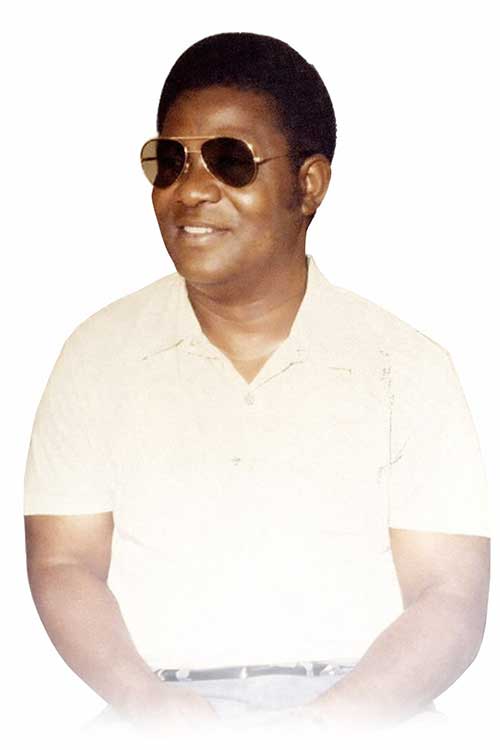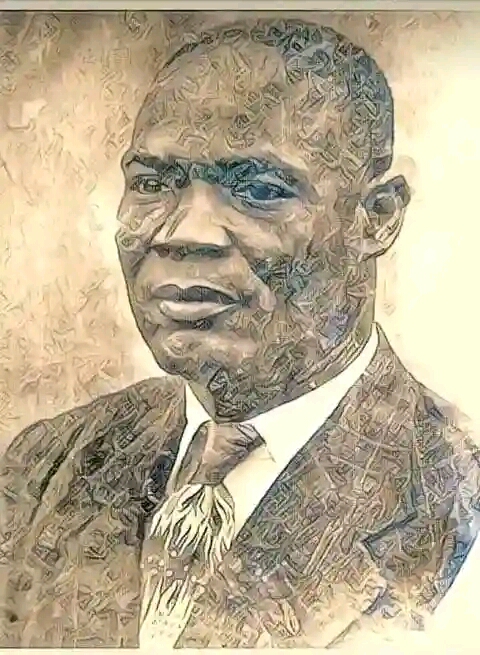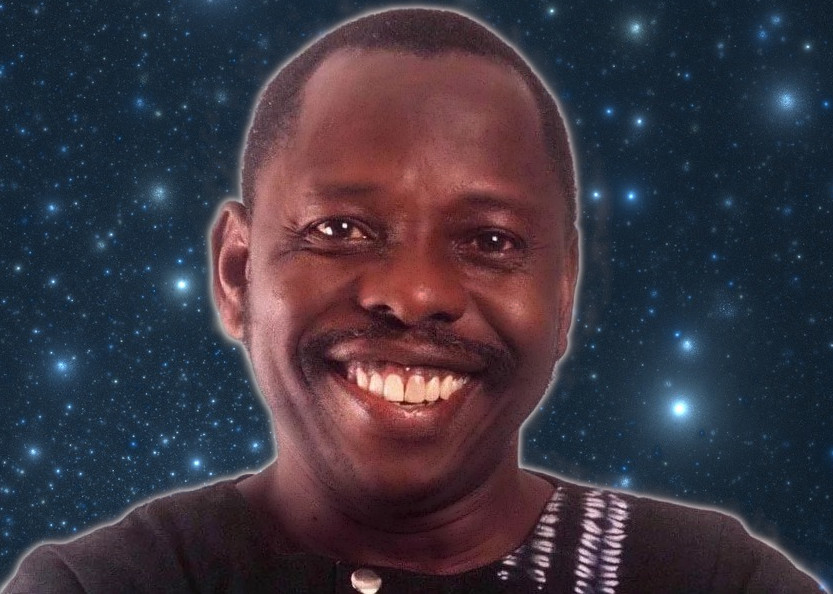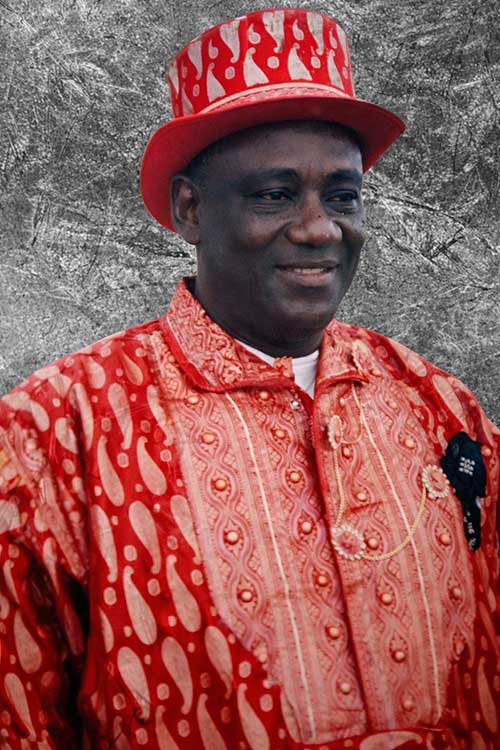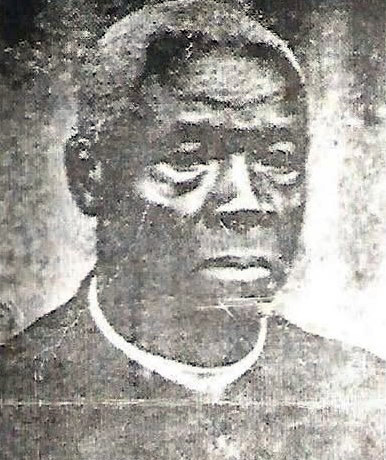
Priest | Linguist | Patriot | Architect of the Nembe Faith
Rev. Daniel Ogiriki Ockiya stands as one of the most extraordinary spiritual pioneers in Nigerian history—a man born into royalty who renounced earthly power to build a kingdom of faith, language, and enduring cultural identity. His life was a rare convergence of nobility, scholarship, sacrifice, and divine purpose.
Royal Birth and Divine Identity
Born on May 7, 1874, in Nembe, present-day Bayelsa State, Daniel Ogiriki Ockiya entered the world as a prince of immense heritage. He was the son of King Josiah Constantine Ockiya, Mingi VII, Amanyanabo of Nembe-Brass (reigned 1863–1878), and Princess Irosi, daughter of King Abaraka of Sabatoru.
At birth, he was given the English name “Good Name,” inspired by the biblical truth that “a good name is better than riches,” and the traditional title Amanyanabo-amasefere-monde-bo—meaning “the king is the servant of the whole community.” This was later shortened to Feremonde-bo, but history would remember him simply as Ogiriki—a name that would become synonymous with service, intellect, and faith.
Early Life, Education, and Formation (1884–1897)
Ogiriki began his formal education in 1884 at St. Luke’s School, Nembe, under the guidance of Rev. J. Daniel Garrick, who served as both mentor and guardian, alongside S. L. Peter, the schoolmaster and catechist.
In 1887, he was baptized by Rev. Garrick and given the Christian name Daniel, marking the beginning of a lifelong spiritual journey. He completed his elementary education in 1888 and was later confirmed by Bishop Isaac Oluwole in 1897.
Before fully embracing ministry, Ogiriki followed Rev. Garrick to trading posts in Ogbeya (modern Ogbia) and surrounding regions, where he learned palm fruit harvesting and local commerce—experiences that instilled humility, discipline, and a deep connection to the everyday struggles of his people.
Notably, even before his schooling began, he had a brief stint as an African cabin boy to a European in 1883, a formative encounter that exposed him early to cross-cultural realities.
The Call to Ministry and Theological Awakening
Though initially reluctant, Ogiriki’s path to ministry became inevitable. Influential figures—including Chiefs Christopher Wari, Samuel Olali, Nathaniel Yekorogha, Thomas Ockiya, and Joseph Alagoa—urged him to embrace missionary work, but he declined.
It was not until 1891, when H. H. Dobinson, Secretary of the Church Missionary Society (C.M.S.) Niger Mission, Onitsha, approached him, that he accepted the call—motivated partly by the opportunity to further his education.
He joined the C.M.S. at a modest salary of 25 shillings per month and, in 1896, proceeded to the C.M.S. Training Institute in Asaba, later relocated to Awka and renamed St. Paul’s College in 1903 (now St. Paul’s University Awka), under the leadership of Rev. J. A. Spencer.
Among his contemporaries were notable figures such as:
J. C. Obianwu, Abel Ekpunobe, Ujeze, Ephraim Okechukwu, Isaiah, Assa, David Okagbue, Jonathan Oranye, James Perry, S. Carney, J. C. Gustavas Wright, Elkanah (of Osamari), Bako (of Lokoja), Nathaniel Obolu, Alphonso Onyeabo, Sammy and Julius Spencer.
At Asaba, Ogiriki studied:
- Christian Theology
- Organ Music and Choral Leadership
- Cloth Weaving
- Cricket (which he later introduced to Nembe)
He excelled in music, having earlier been trained by Archdeacon H. Dobinson, and emerged as both a theologian and artist.
Ordination and Lifelong Ministry
Returning to Nembe in 1897, he began training others in music and Christian instruction. In 1899, he proceeded to Onitsha for further catechist training under Archdeacon S. K. Smith, where he stood out as the only student in that course.
In 1900, he passed with distinction the theological examinations set by Bishop James Johnson.
His ordination journey culminated in 1918, when he was:
- Admitted into the deaconate on March 10, 1918, at St. Stephen’s Cathedral, Bonny, by Bishop Herbert Tugwell
- Ordained priest on November 26, 1918, by the same bishop
His priesthood colleague was Rev. M. Davidson Shower.
For over 40 years, Rev. Ogiriki served tirelessly across:
- Nembe and Brass regions
- Ogbia and Ijaw territories
- Akwete, Bonny, Twan Brass
- Umueme-Diobu (now Rumueme), Port Harcourt
Wherever he went, he preached, taught, mentored, and built communities rooted in faith and discipline.
Scholar, Linguist, and Cultural Architect
Rev. Ogiriki Ockiya’s greatest and most enduring contribution was his translation of the Holy Bible into the Nembe (Ijo) language—a monumental achievement that elevated the language to global recognition.
By this work:
- Nembe became the 4th Nigerian language (after Yoruba, Efik, and Igbo)
- And the 7th in Africa to have the Bible translated
He also translated:
- The Hymn Book
- Sankey Hymns
- The Book of Common Prayer
Working alongside Rev. M. Proctor, G. E. Sagbo, and D. C. Spiff, he laid a linguistic and spiritual foundation that remains a storehouse of Nembe identity.
He also began efforts to extend translation work into the broader Ijo language.
Teacher, Clerk, and Defender of Integrity
Rev. Ogiriki was:
- The first Nembe schoolmaster
- A town clerk, alongside J.T.D. Eppe, in the late 1890s
- A trusted interpreter of correspondence between the British government and local leadership
His integrity was legendary. In one notable incident, he refused a request from Lord Lugard to act as an interpreter, insisting that he could not abandon his teaching duties—a bold assertion of principle over power.
A Life of Sacrifice and Uncommon Choices
Despite his royal lineage, Rev. Ogiriki chose a higher calling:
- He rejected the kingship of Nembe twice
- He declined the chieftaincy of Ockiya House four times
His guiding principle was clear:
👉 “For God and Country.”
He devoted his life to service rather than status, becoming a symbol of humility and purpose.
Family, Loss, and Endurance
He married Dora Eteteraba Aporekuma (b. 1882), of the King Forday Kulo bloodline, and they had five children:
- Ayeba-Ibirimate
- Victor Constantine Yedigimieghbofa
- Lydia Beatrice Ayebanongimate
- Henrietta Comfort Ayebatonabara
- Edith Hevengho-Puyafa
Tragedy struck when Dora died in a car accident in Aba on March 11, 1936.
In 1940, he remarried Felicia Nnenna Omunake of Rumueprikom, whom he supported through formal education at St. Agatha’s Women’s House, Umuahia. They had seven children.
Trials, Resignation, and Quiet Defiance
Despite decades of faithful service, Rev. Ogiriki faced institutional injustice:
- Denied salary arrears of £313:10s
- Never promoted to parish superintendent
- Criticized over his second marriage
In October 1939, he resigned from formal church service; his resignation was accepted in December 1939 by Bishop Lasbery. Yet, even in withdrawal, he continued ministering independently—undeterred in his calling.
Final Years and Eternal Legacy
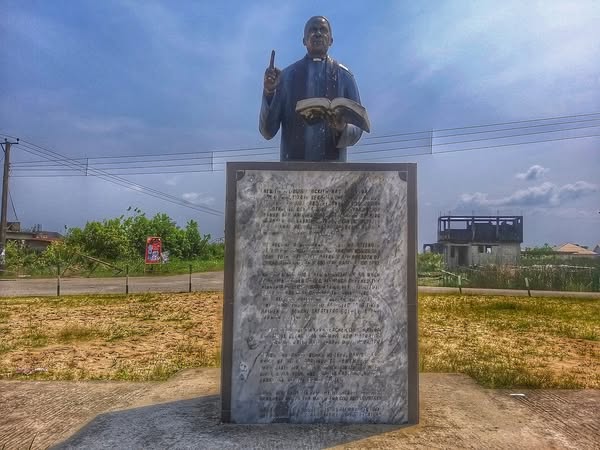
Rev. Daniel Ogiriki Ockiya passed away on August 29, 1954, in Nembe, and was laid to rest at St. Luke’s Church, where a statue now stands in his honor.
His own words remain a fitting epitaph:
“I have done that which was my duty to my God and country.”
Enduring Legacy
Rev. Daniel Ogiriki Ockiya was:
- A prince who chose priesthood over power
- A linguist who preserved a people’s voice
- A teacher who shaped minds and nations
- A patriot who served without compromise
His life stands as a towering testament that true greatness lies not in titles, but in service, sacrifice, and lasting impact.
His work continues to echo through:
- The Nembe Bible
- The Christian faith in the Niger Delta
- The cultural identity of his people
He remains, without question, one of the foundational architects of faith and language in Nigeria. 💫
Sources
- Obuoforibo, B. A. History of Christianity in Bayelsa State. Port Harcourt: C.S.S. Press, 1998.
- Oscar .I. Alabo & Epem-Ubodium, Department of History, Isaac Jasper Boro Collage of Education, Sagbama-Bayelsa-State