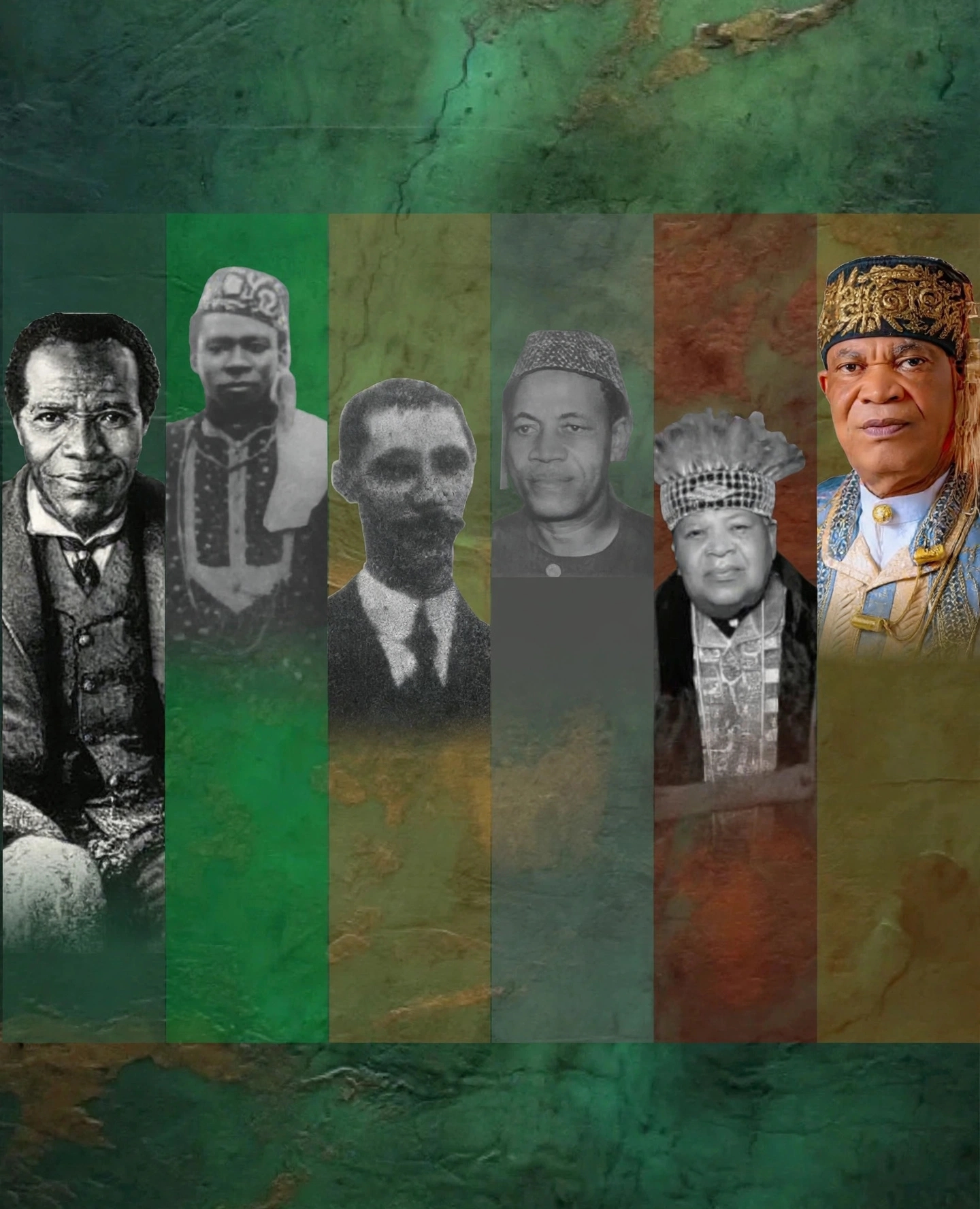
There are kingdoms built by inheritance. And there are kingdoms built by exodus. Opobo is the second.
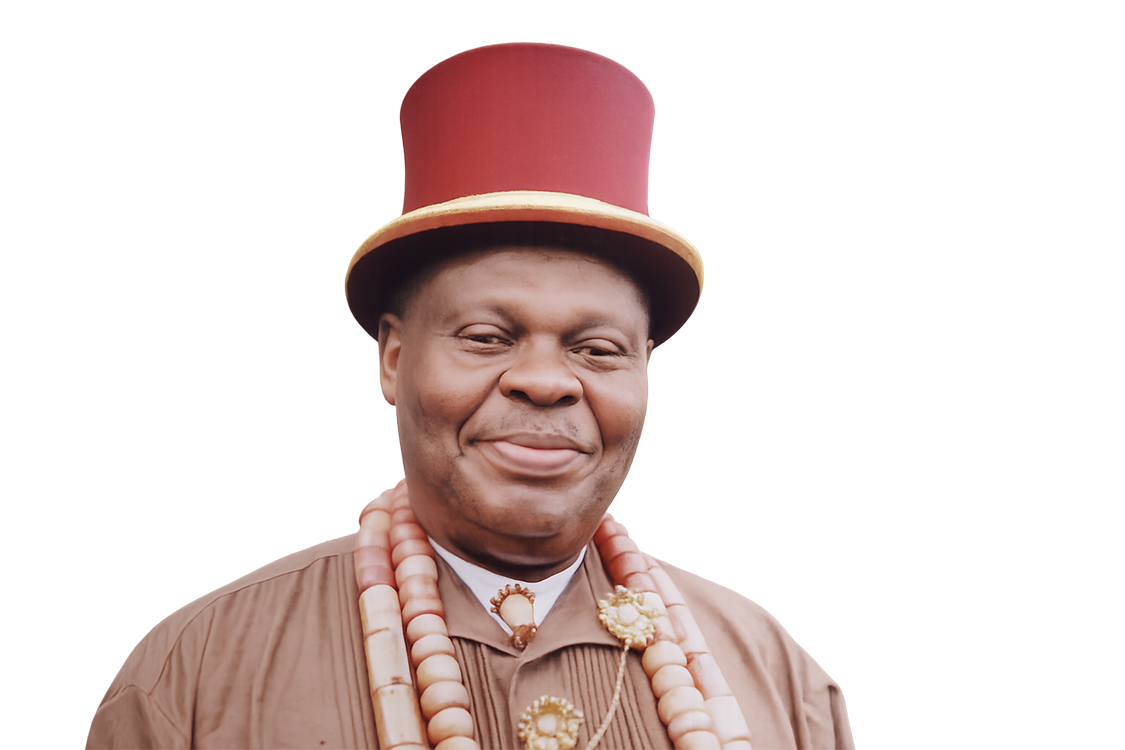
On September 26, 2026, the drums rolled again at King Jaja Square in Opobo Town. His Majesty King Charles Douglas MacPepple Jaja, Jeki VI, was crowned the 6th Amanyanabo of Opobo Kingdom. Former President Goodluck Jonathan bowed. The Obi of Onitsha bowed. The Olu of Warri bowed. Because what was being crowned was not just a man — it was 156 years of resistance.
This is the full story.
I. THE BOY WHO WAS SOLD
Before there was a kingdom, there was a boy.
Born around 1821 as Jubo Jubogha in Umuduruoha, Amaigbo (now Imo State), he was Igbo by blood. At 12, he was sold as a slave to the great trading port of Bonny.
In Bonny, he did not remain a slave.
He learned the language of trade. He learned English bookkeeping. He learned how to count palm oil kegs faster than his masters. His intelligence forced his master to free him. He joined the Anna Pepple House — one of the two great merchant houses of Bonny — and within years, he owned it.
By the 1860s, Jaja controlled more trade than the King of Bonny himself. He was rich. He was Christian. He had a British secretary, Mr. D.C. Williams, and a schoolteacher, Miss Emma Johnson. He was not supposed to exist — a former slave who out-traded kings.
That is why they had to fight him.
II. THE EXODUS — 1869
In 1869, Bonny exploded. The Anna Pepple and Manilla Pepple Houses went to civil war over who controls the palm oil route to the hinterland.
Jaja refused to submit to the Manilla faction. He did what Moses did.
He gathered his people — 14 out of Bonny’s 18 trade houses, war canoes, women, children, traders, fighters — and left. Eastward, to the mouth of the Imo River. A virgin mangrove island.
He named it OPOBO, in honour of Opubu the Great, the legendary King of Bonny (1792-1830), and in honour of the gods of his adopted Ibani people.
On December 25, 1870, he declared it a sovereign kingdom. He was crowned Amanyanabo — Jeki I.
Opobo is not a loose town. It is a federation of 14 Polos (Adibie, Biriye, Diepiri, Dapu, Dappa Ye Amakiri, Epelle, Fubarakworo, Iroanya, Jaja, Kalaomuso, Ukonu, Kiepirima, Owujie, and Tolofari 1646) and 67 War Canoe Houses. Each House once launched a war canoe, each Polo governed its own affairs, and all 67 Houses answered to the Amanyanabo. It is why Opobo survived exile, civil war, and colonialism — because the system was bigger than one man.
Opobo was not a village. From day one, it was a commercial empire. Its location choked Bonny. All palm oil from Ibibioland, Igboland, Ogoniland had to pass through Opobo. Jaja built warehouses, courthouses, schools, and a disciplined trading regulation. He made it illegal for any white man to enter the interior markets. “If you want oil, you come through me.”
The British had no choice but to sign a treaty with him in 1873, formally recognizing him as King of Opobo.
III. THE MAN WHO SHIPPED DIRECT TO LIVERPOOL
This is what made Jaja dangerous.
While other coastal chiefs were middlemen, taking small commission from British firms, Jaja cut the middleman out. He loaded his own ships and sent palm oil DIRECT to Liverpool, negotiating his own price. He was blocking European free access and creating an African monopoly.
The palm oil was the crude oil of the 1870s — used to lubricate the machines of the British Industrial Revolution.
Jaja became one of the richest men in West Africa. His wealth and sovereignty were an insult to empire.
IV. THE BETRAYAL ON HMS GOSHAWK — 1887
The Berlin Conference of 1884-1885 gave Britain the Niger Delta on paper. But Opobo was still independent in reality.
The British wanted free trade. Jaja wanted sovereignty. He wrote: “You cannot have my market without guaranteeing my throne.”
In September 1887, British Vice-Consul Harry Johnston invited Jaja aboard the warship HMS Goshawk for “peace talks” under guarantee of safe passage.
It was a lie.
As soon as Jaja boarded, he was arrested. Bound. Taken to Accra, then exiled to Saint Vincent in the Caribbean, thousands of miles from his kingdom. Later moved to Tenerife.
The man who built an empire from slavery died in 1891 while begging the British to let him return home. His body was brought back and buried in Opobo Town, where his statue and mausoleum still stand.
They exiled the man. They could not exile the kingdom.
V. THE LINE OF JEKIS — THE KINGS WHO KEPT THE FIRE
Opobo survived because the stool survived.
1. King Jaja I, Jeki I (1870-1891) — The Founder, former slave turned empire builder
2. King Obiesigha Sunday Jaja, Jeki II (1893 – 12 October 1915) — Held the kingdom through colonial pressure
3. King Arthur Herbert Jaja, Jeki III (1916 -1936) — Modernized palace institutions
4. King Douglas Jaja, Jeki IV — Kept tradition during Nigeria’s independence era
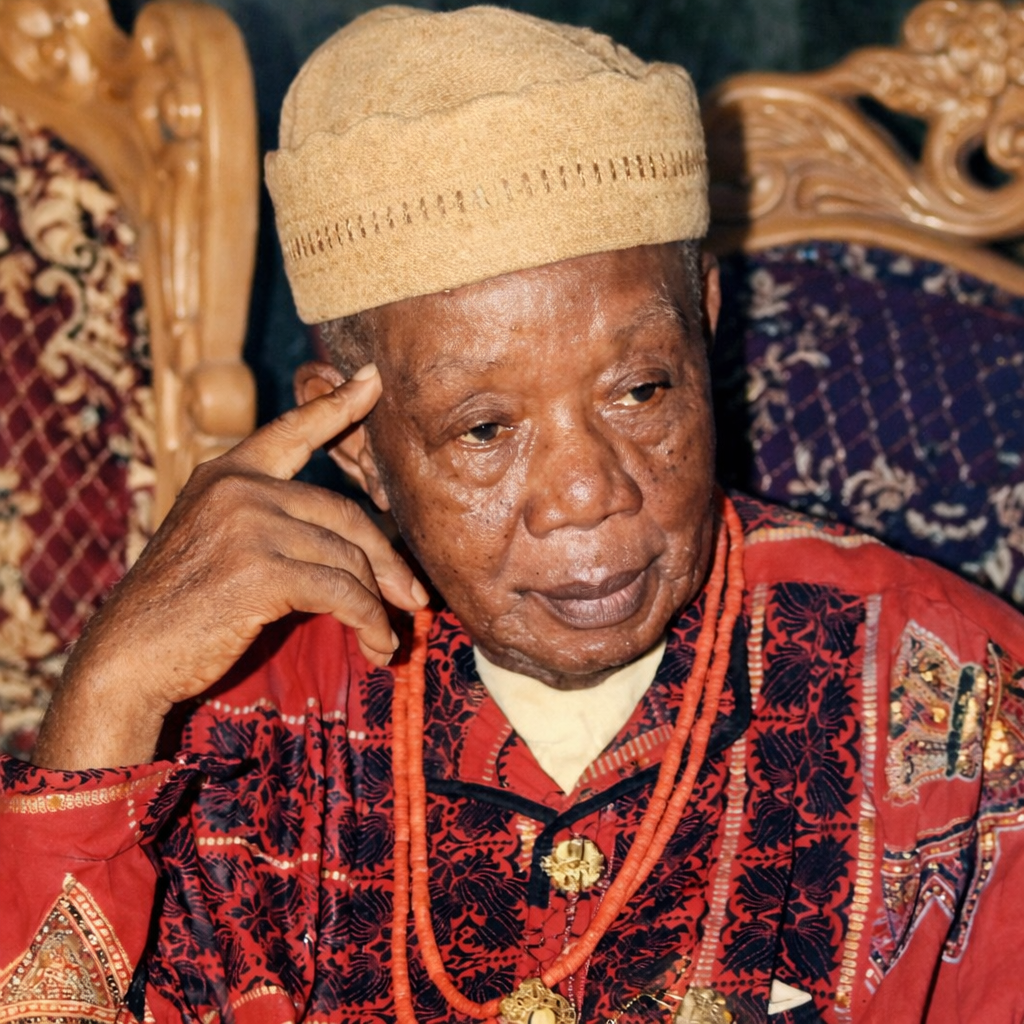
5. King Dandeson Douglas Jaja, Jeki V (d. Dec 31, 2025) — Reigned over 40 years, former Central Bank of Nigeria (CBN) executive, Chairman Rivers State Council of Traditional Rulers. Buried April 11, 2026
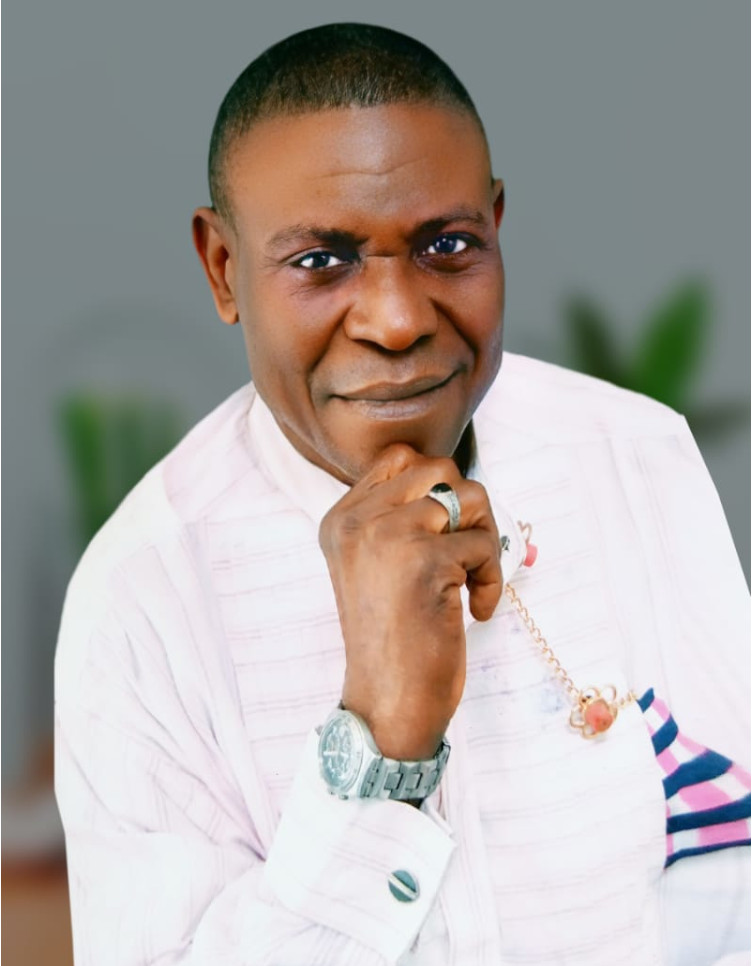
6. King Charles Douglas MacPepple Jaja, Jeki VI (Crowned Sept 26, 2026) — The present king
VI. JEKI VI — THE TECHNICIAN KING
The new king is not a stranger to industry.
Born Jan 27, 1959 inside King Jaja Palace. Educated in Opobo, Ikot-Akata, Abak, and then Shell Petroleum Development Company (SPDC) Training College, Port Harcourt — as a Petroleum Industries Instrument Technician.
He worked at Shell, then rose at P.S. Mandrides & Co Ltd from technical officer to Assistant Manager, to Depot Manager Maiduguri, to Manager Nigerian Bulk Oil Company, to Board of Directors of P.S. Mandrides Plc in 2015.
HND Business Admin (1991), Public Admin & Political Studies (UNIPORT 1998), Chartered Member Nigerian Institute of Public Administration (2007), Fellow Pan African Business School (2016).
He is also pure tradition: House Secretary MacPepple War Canoe House (1988-2006), Alapalibo (2006), Alabo Designate (2008), Alabo Prince Charles Douglas MacPepple Jaja (Nov 9, 2009), President & Patron Mina Ogbo Kina Cultural Society.
He is married to Queen Boiya Charles Jaja, father of Princess Daisy Ibalafa Charles Jaja.
In his coronation speech yesterday, he said: _“I will never bring dishonour to the throne that Chief Jaja built with courage. The exodus of 1870 was a journey to freedom. Our journey in 2026 is a journey to development, unity and global relevance. We ask for equity, not handouts.”_
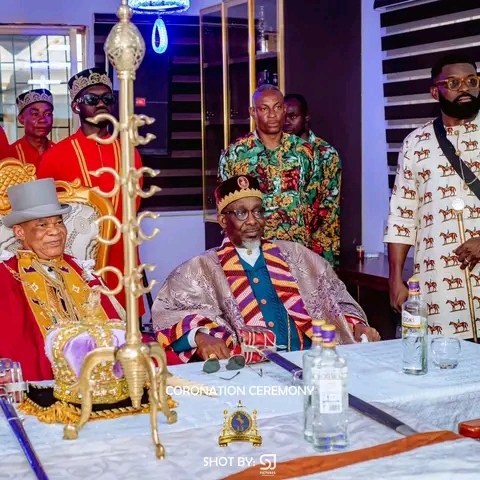
He asked for shoreline protection, hospitals, and revival of the stalled Opobo university project.
ROLL CALL OF HONOUR: Who Graced The Coronation of Jeki VI
The ancient King Jaja Square in the heart of Opobo was a sea of royalty, statesmanship and culture yesterday as prominent Nigerians from all walks of life converged to honour His Majesty, King Charles Douglas MacPepple Jaja, Jeki VI, the 6th Amanyanabo of Opobo Kingdom.
With his coronation, King Charles Douglas MacPepple succeeds the late King Dandeson Douglas Jaja (Jeki V), who passed away last year and was buried on April 11, 2026.
The colourful ceremony was witnessed by a galaxy of dignitaries:
1. Statesmen and Political Leaders:
– Former President Goodluck Jonathan, GCFR and his wife, Dame Patience Jonathan
– Rivers State Governor, His Excellency Siminalayi Fubara
2. Royal Fathers and Custodians of Tradition:
– Obi of Onitsha, Igwe Nnaemeka Achebe – one of Nigeria’s most revered monarchs
– Olu of Warri, Ogiame Atuwatse III
– Obong of Calabar
– Amanyanabo of Bonny, King Edward Asimini Dappa Pepple – a brother-kingdom and historic bond
– Eze Aro, Eze Eberechi Oji
– Eze Iweka III of Obosi
– King Buribaye Dakolo of Ekpetiama Kingdom, Bayelsa State
– Eze Eberiuogo of Omuma
3. Others:*Captains of industry, political leaders, religious leaders, sons and daughters of Opobo at home and in the diaspora, and cultural groups.
Eulogies for the New King:
In their goodwill messages, the dignitaries eulogized the new monarch as a man of peace, wisdom and pedigree, perfectly suited to lead Opobo into a new chapter.
Former President Jonathan described the coronation as _“the rebirth of a legacy that gave Nigeria its earliest international trade identity.”_
Governor Fubara hailed Jeki VI as _“The Treaty King”_ whose reign will cement peace and development in Rivers State.
The Obi of Onitsha and Olu of Warri both stressed the enduring significance of the Opobo throne as a symbol of African resilience, enterprise and diplomacy pioneered by King Jaja himself.
It was indeed, A New Chapter. An Enduring Legacy.
VII. WHY OPOBO MATTERS TO YOU
Opobo is not just Rivers State history. It is Niger Delta philosophy.
It tells us: You can be sold and still buy your freedom. You can leave a toxic place and build your own. You can be small and still block empires by controlling your own trade.
From a 12-year-old slave to a king who ships to Liverpool. From 1869 exodus to 2026 coronation.
The throne remains.
Rulers of Opobo Kingdom
| Start | End | Ruler |
|---|---|---|
| 25 December 1870 | September 1887 | Jubo Jubogha“Jaja I” (b. 1821 – d. 1891) |
| September 1887 | 1891 | Perekule (chairman Council of Chiefs) |
| 1891 | 1893 | “Cookey Gam” (political agent) |
| 1893 | 12 October 1915 | Obiesigha Jaja II (Frederick Sunday) |
| 1916 | 1936 | Dipiri (Arthur Mac Pepple) |
| 1936 | 1942 | Sodienye Jaja III (1st time) (Douglas Mac Pepple) (d. 1980) |
| 1942 | 1946 | Stephen Ubogu Jaja IV (acting) |
| 1952 | 31 July 1980 | Sodienye Jaja III (2nd time) (Douglas Mac Pepple) |
| 1980 | 2002 | Vacant |
| 1 October 2004 – 31 Dec 2025 | Dandeson Douglas Jaja V (b. 1947) |
REFERENCES FOR YOUR OPOBO KINGDOM ARTICLE:
For Coronation & Current King (Sept 26, 2026):
1. Prime Times — “Jeki VI Takes Opobo Throne, Pledges New Era Of Development” — confirms King Charles Douglas MacPepple Jaja crowned as 6th Amanyanabo at King Jaja Square, succeeding late King Dandeson
2. Nyakundi Report — “King Jaja VI Urges Equity and Development for Opobo Kingdom Amid 156-Year Legacy” — confirms coronation date Sept 26, 2026, elected Dec 2025, guests including Goodluck Jonathan
3. http://QED.NG — “Goodluck Jonathan, wife arrive Opobo for Jaja VI coronation” — confirms Jonathan arrival 11:15am Saturday, deputy Gov Ngozi Odu representing Gov Fubara, Obi of Onitsha, Olu of Warri present
4. Punch / The Trumpet — confirms new king takes title Jeki VI, succeeds Late Douglas Danderson Jaja who died last year and was buried April 11, 2026
For Professional & Educational Background of Jeki VI:
5. Precise News Online — “A THRONE OF LEGACY, A LIFE OF EXCELLENCE: THE STORY OF KING CHARLES DOUGLAS JAJA” — details: Born Jan 27 1959 at King Jaja Palace, Shell Petroleum Development Company Training College 1978-79, SANDOC Institute, Public Administration UNIPORT 1991-1998, HND Business Admin, Chartered Member Nigerian Institute of Public Administration 2007, Fellow Pan African Business School 2016, career at Shell as Petroleum Industries Instrument Technician, rose to Assistant Manager at P.S. Mandrides & Co Ltd, Depot Manager Maiduguri, Nigerian Bulk Oil Company, Board of Directors P.S. Mandrides Plc 2015 and
6. Same source — confirms his traditional progression: House Secretary (1988-2006), Alapalibo 2006, Alabo Designate 2008, installed as Alabo Prince Charles Douglas MacPepple Jaja Nov 9 2009
For History & Founding of Opobo Kingdom:
7. NewsCrackersNG — “From Enslavement To Empire: The Rise & Fall Of King Jaja Of Opobo” — confirms civil war 1869, Opobo formally founded in 1870 at mouth of Imo River, became commercial powerhouse, shipped palm oil directly to Liverpool, arrested on HMS Goshawk 1887 and
8. Zeal News Africa — “The 1887 Betrayal: How Jaja of Opobo Was Taken From His Kingdom” — confirms Jaja left Bonny in 1869, founded city-state Opobo, 14 of Bonny’s 18 trade houses relocated, blocked British traders from direct access