Chief Judge (Rtd.), Bayelsa State
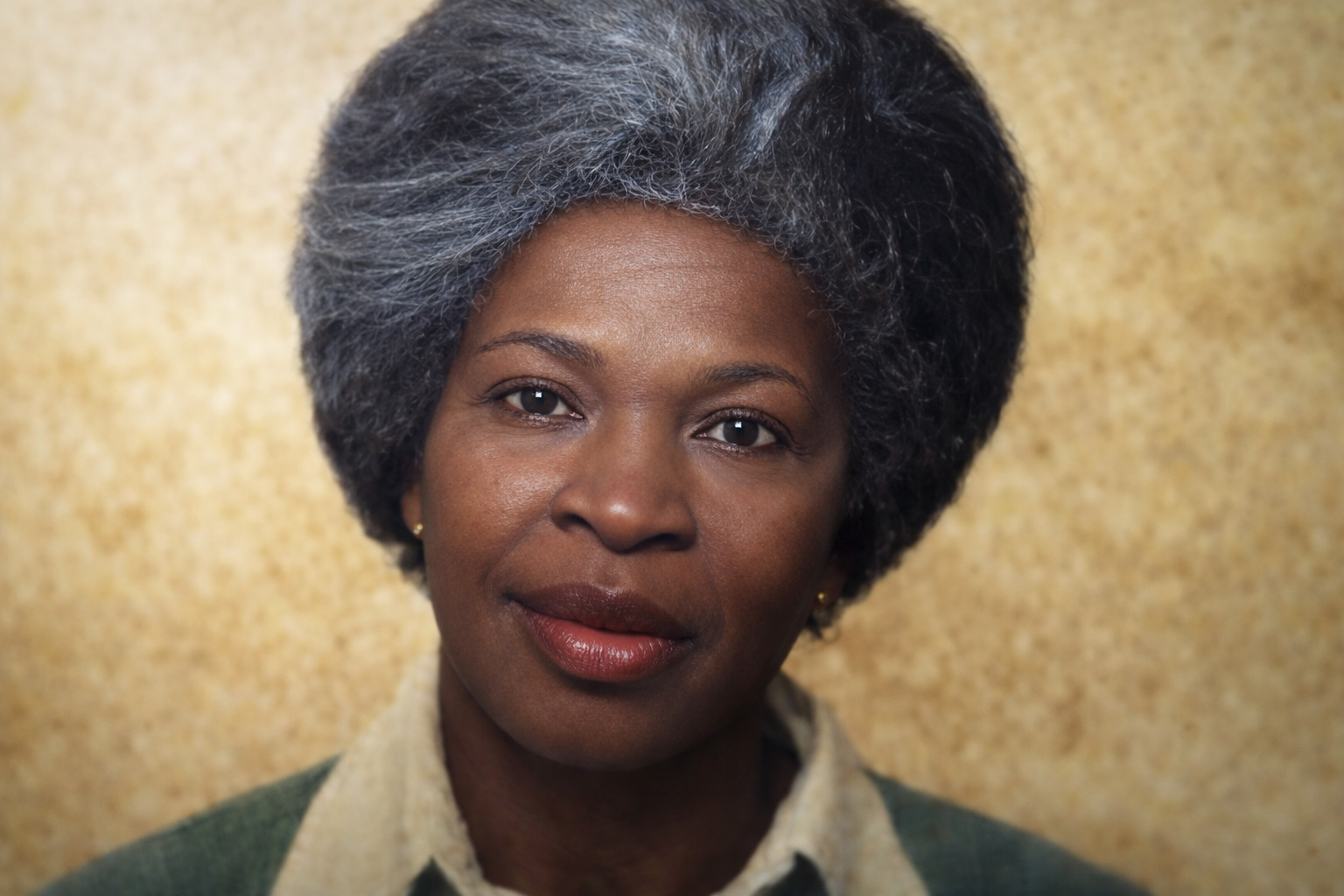
Hon. Justice Kate Abiri, CON, Life Bencher, DSSRS, stands as one of the most accomplished judicial icons in Nigeria’s legal history and remains celebrated as the longest-serving female Chief Judge in Nigeria. A distinguished jurist, reformer, administrator, pastor, and nation-builder, Justice Abiri devoted her life to the pursuit of justice, institutional excellence, family values, and service to humanity. Her remarkable journey from the riverine community of Aleibiri in Bayelsa State to the pinnacle of the judiciary reflected resilience, discipline, integrity, and an unwavering commitment to the rule of law.

Throughout her illustrious career, she transformed the Bayelsa State Judiciary into one of the most technologically progressive judicial systems in Nigeria, pioneered several reforms in justice administration, and inspired generations of legal practitioners and women across the country. Her legacy remains deeply etched in the legal, social, and spiritual landscape of Nigeria.
Early Life and Family Background
Hon. Justice Kate Abiri, née Waritimi, was born on January 13, 1958, in Aleibiri, Ekeremor Local Government Area of present-day Bayelsa State. She was born into the family of late Chief Morungbe Yeipeigha Waritimi (1928–2001) and Mrs. Waritimi. She was the first daughter and second child in a remarkably large family of thirty-three children.
Her father, Chief M. Y. Waritimi, served as a police officer whose postings across different regions of Nigeria exposed the family to diverse cultures and experiences. This early exposure shaped young Kate’s adaptability, discipline, confidence, and cosmopolitan outlook on life.
Education
Justice Kate Abiri’s educational journey reflected brilliance, determination, and academic excellence from an early age. She began her primary education at Ighodola Memorial School, Benin, from 1964 to 1966, before proceeding to Community Primary School, Aleibiri, from 1966 to 1968. She later attended Apapa Methodist School, Lagos, between 1968 and 1970, where she obtained her First School Leaving Certificate.
For her secondary education, she enrolled at Bomadi Grammar School from 1971 to 1975. Her leadership qualities became evident during this period as she was appointed Head Girl of the school — a position reserved for students of outstanding character, intelligence, and responsibility.
Though she excelled academically, her father believed she possessed even greater potential. Consequently, she relocated to Jos, Plateau State, where she attended St. John’s College from 1978 to 1979. There, she distinguished herself academically by obtaining the West African School Certificate (WASC) with Division One and Distinction.
Interestingly, Justice Abiri initially had little interest in studying Law. She believed disciplines ending with “logy” — such as Sociology, Psychology, and Geology — carried greater prestige. However, her father persistently encouraged her to study Law, convinced she possessed the intellect and temperament required for the legal profession. Eventually, she embraced the idea and enrolled at the University of Jos in 1979 to study Law.
From 1979 to 1983, she pursued her legal studies with distinction and graduated with a Bachelor of Laws (LL.B Hons.) degree in 1983. During her undergraduate years, she served as Vice President of the Law Students Association, demonstrating early leadership abilities that would later define her judicial career.
Following her graduation, she attended the Nigerian Law School, Lagos, from 1983 to 1984, where she qualified as a Barrister and Solicitor of the Supreme Court of Nigeria (B.L).
Early Career and Rise in the Judiciary
Justice Kate Abiri’s life was defined by hard work, resilience, and enterprise. Even before fully establishing her professional career, she worked as a Clerical Officer at the Ministry of Education in Jos between 1977 and 1978 during her vacation period.
Following her graduation from Law School, she undertook her National Youth Service Corps (NYSC) programme with the Rivers State Ministry of Justice from 1984 to 1985. Her diligence and competence earned her retention in the ministry after service. She subsequently rose steadily through the ranks:
- State Counsel (1985–1987)
- Senior State Counsel (1987–1989)
- Principal State Counsel (1990–1992)
During the early years of her legal career, salaries within the judiciary and civil service were modest. Yet, as a young wife and mother, she displayed uncommon resilience and entrepreneurial spirit. To support her family financially, she established a small kiosk in front of her residence where she sold food items. She also handcrafted and sold lawyers’ bibs to colleagues within the legal profession.
Her exceptional competence later earned her appointment as Chief Magistrate in the Rivers State Judiciary in 1992. She presided over Chief Magistrate Court 2 in Port Harcourt, as well as the State Juvenile Court and Revenue Court.
With the creation of Bayelsa State in 1996, she transferred her service to the Bayelsa State Judiciary, where she served as Chief Magistrate from 1996 to 1997.
In 1997, she attained another major milestone when she was appointed Judge of the High Court of Bayelsa State. As a High Court Judge, she served in several Election Petition Tribunals across Nigeria, including:
- Borno State (1998)
- Kwara State (1999)
- Edo State (1999)
- Imo State (2003)
- Jigawa State (2007)
Her reputation for fairness, diligence, and judicial excellence continued to grow nationally.
On March 20, 2008, Hon. Justice Kate Abiri was appointed Chief Judge of Bayelsa State — becoming the first female Chief Judge of the state. She subsequently became one of the most respected judicial administrators in Nigeria.
On May 5, 2010, she was appointed a Member of the National Judicial Council (NJC), further cementing her influence within Nigeria’s judicial system.
Judicial Reforms and Landmark Achievements
Justice Kate Abiri’s tenure as Chief Judge marked a revolutionary era in the Bayelsa State Judiciary. She introduced transformative reforms that modernized judicial administration and enhanced access to justice.
One of her most remarkable achievements was the implementation of the Electronic Recording System within the Bayelsa State Judiciary, making Bayelsa the second state in Nigeria to adopt the technology. This innovation eliminated the tedious process of longhand recording by judges and significantly accelerated court proceedings.
In partnership with the United Nations Office on Drugs and Crime (UNODC), she established an ICT Laboratory for electronic legal research, thereby modernizing legal practice and judicial efficiency in the state.
She also pioneered the establishment of the Alternative Dispute Resolution (ADR) Centre in Bayelsa State, which commenced operations in July 2016. Building on this milestone, she commissioned the Bayelsa State Multi-Door Courthouse on February 11, 2020, providing citizens with faster and more flexible methods of dispute resolution through mediation and negotiation.
Justice Abiri also championed the introduction of:
- Nigerian Case Management System (NCMS)
- e-Filing systems
- e-Affidavit services
- e-Probate systems
These innovations greatly simplified judicial processes and improved public access to legal services.
Through collaboration with the Nigerian Content Development and Monitoring Board (NCDMB), she expanded digital judicial services in Bayelsa State, making the judiciary one of the most technologically advanced in Nigeria.
She equally improved media visibility and public engagement through radio, print media, social media, and the judiciary’s official website.
Under her leadership, several judicial facilities underwent extensive renovation and modernization. One notable example was the transformation of the High Court Complex at Onopa, later renamed the Hon. Justice K. D. Ungbuku High Court Complex.
Recognizing the importance of transparency and accountability, she established a Due Process Department within the judiciary to standardize procurement and contract procedures.
Justice Abiri also achieved a historic first by becoming the first Chief Judge in Nigeria to administer the oath of office to the Governor-elect of another state — Rivers State.
Marriage and Family Life
On July 17, 1984, she married Mr. Patrick Amaye Abiri, an Estate Surveyor from Tamugbene in Ekeremor Local Government Area of Bayelsa State. Their relationship dated back to their secondary school days at Bomadi Grammar School, where they first met as students before destiny reunited them in Port Harcourt years later.
Despite the enormous demands of her career, Justice Kate Abiri remained deeply devoted to her family. Her household was initially large, comprising not only her children but also members of her husband’s extended family. She managed her home with extraordinary wisdom, discipline, and compassion.
The marriage was blessed with eight children — seven boys and one girl — all of whom she nurtured with dedication and strong moral values. She encouraged each child to pursue their individual passions without imposing her personal preferences on them.
As a wife, she remained respectful, supportive, and deeply committed to her husband despite her highly influential judicial status.
Recognitions and Honours
Justice Kate Abiri received numerous awards and recognitions in appreciation of her exceptional service to the judiciary and humanity.
Among her honours were:
- Judge of the Year Award (2006) — Nigerian Bar Association, Yenagoa Branch
- Recognition as the First Female High Court Judge of Bayelsa State by Dame Patience Jonathan and the Bayelsa State Government
- Recognition as the First Female Chief Judge of Bayelsa State
- Distinguished Alumni Award — University of Jos (June 2010)
- Commander of the Order of the Niger (CON) — conferred by President Goodluck Ebele Jonathan on September 29, 2014
- Distinguished Service Star of Rivers State (DSSRS) — conferred by Governor Nyesom Ezenwo Wike in May 2023
She was also a Life Bencher, one of the highest honours within Nigeria’s legal profession.
Retirement
Upon attaining the statutory retirement age of 65, Hon. Justice Kate Abiri retired honorably from the judiciary after serving as Chief Judge of Bayelsa State for an extraordinary fifteen years — making her the longest-serving female Chief Judge in Nigeria.
Her retirement ceremony was marked with grandeur, celebration, and tributes from judges, lawyers, political leaders, clergy, and citizens who admired her distinguished service and transformational leadership.
Faith and Spiritual Life
Justice Kate Abiri was a deeply spiritual woman who maintained unwavering devotion to Christianity throughout her life. She worshipped at the Greater Evangelism World Crusade Church, where she served faithfully as a Pastor and member of the Board of Trustees.
She strongly believed in daily family devotion and practical Christian living. Her spirituality influenced both her personal life and professional conduct, earning her admiration as a woman of integrity, humility, and godliness.
Personal Interests
Outside the courtroom, Justice Kate Abiri found joy in reading, swimming, and cooking. These hobbies provided her with relaxation and personal fulfillment despite the enormous pressures of judicial administration.
Death and Legacy
Hon. Justice Kate Abiri passed on to eternal glory on Thursday, August 3, 2023, in Yenagoa, Bayelsa State.
Her passing marked the end of an extraordinary era in Nigeria’s judiciary, but her legacy remains immortal. She will forever be remembered as a trailblazer, judicial reformer, devoted Christian, loving mother, compassionate administrator, and one of the greatest female jurists Nigeria has ever produced.
Justice Kate Abiri’s life remains a powerful testament to what discipline, faith, resilience, and visionary leadership can accomplish. Through her pioneering reforms, mentorship, and distinguished service, she transformed the judiciary, inspired countless women, and left an indelible footprint on the sands of time.
Source
The Bayelsa State Judiciary Media Unit supplied Timeless Persons Blog with valuable information, materials, and historical insights used in the publication of the biography of the late Hon. Justice Kate Abiri.