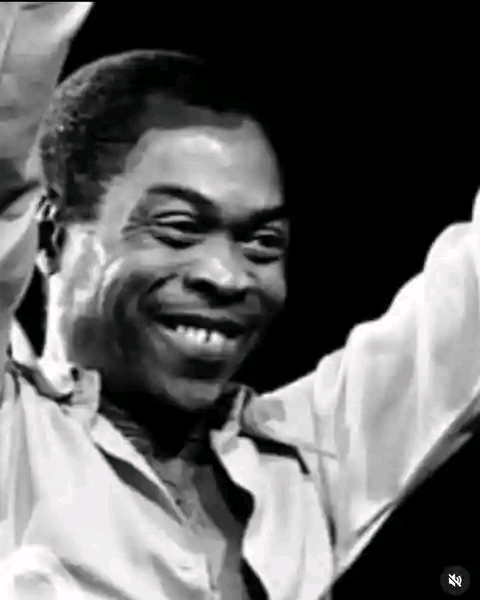
Fela Anikulapo Kuti was not just a musician. He was a prophet of rhythm, a warrior of truth, and a man who turned sound into resistance. His name still echoes across Africa and the world because he dared to live free, sing loud, and fight oppression with every note.
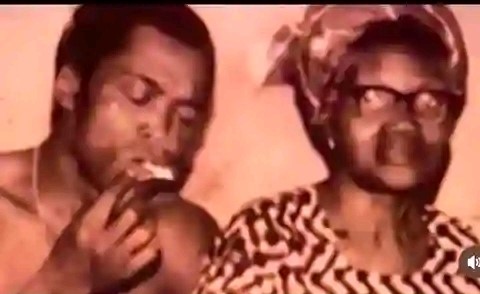
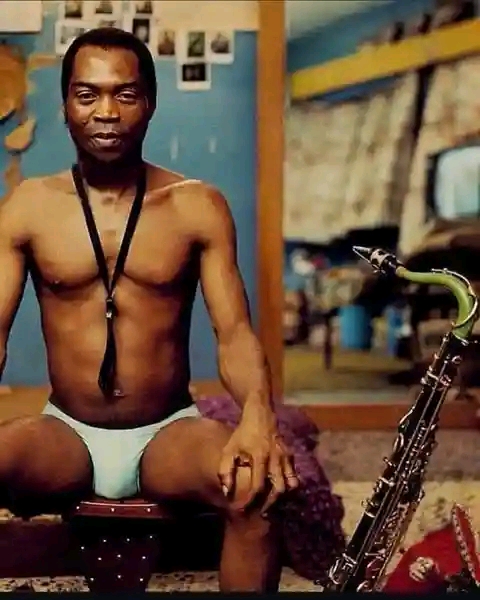
Born on October 15, 1938, in Abeokuta, Nigeria, Fela was the son of Funmilayo Ransome-Kuti, a fearless feminist activist, and Reverend Isreal Oludotun Ransome-Kuti, a respected educator. From childhood, rebellion and courage were his inheritance. At Abeokuta Grammar School, he was mischievous, witty, and restless, nicknaming himself “El Paso Kid” and “Simon Templer – The Saint.” He formed clubs, published journals, and broke rules, already showing the spirit that would later shake governments. In 1955, J.K. Braimoh introduced him to music, and the trumpet became his weapon of choice.
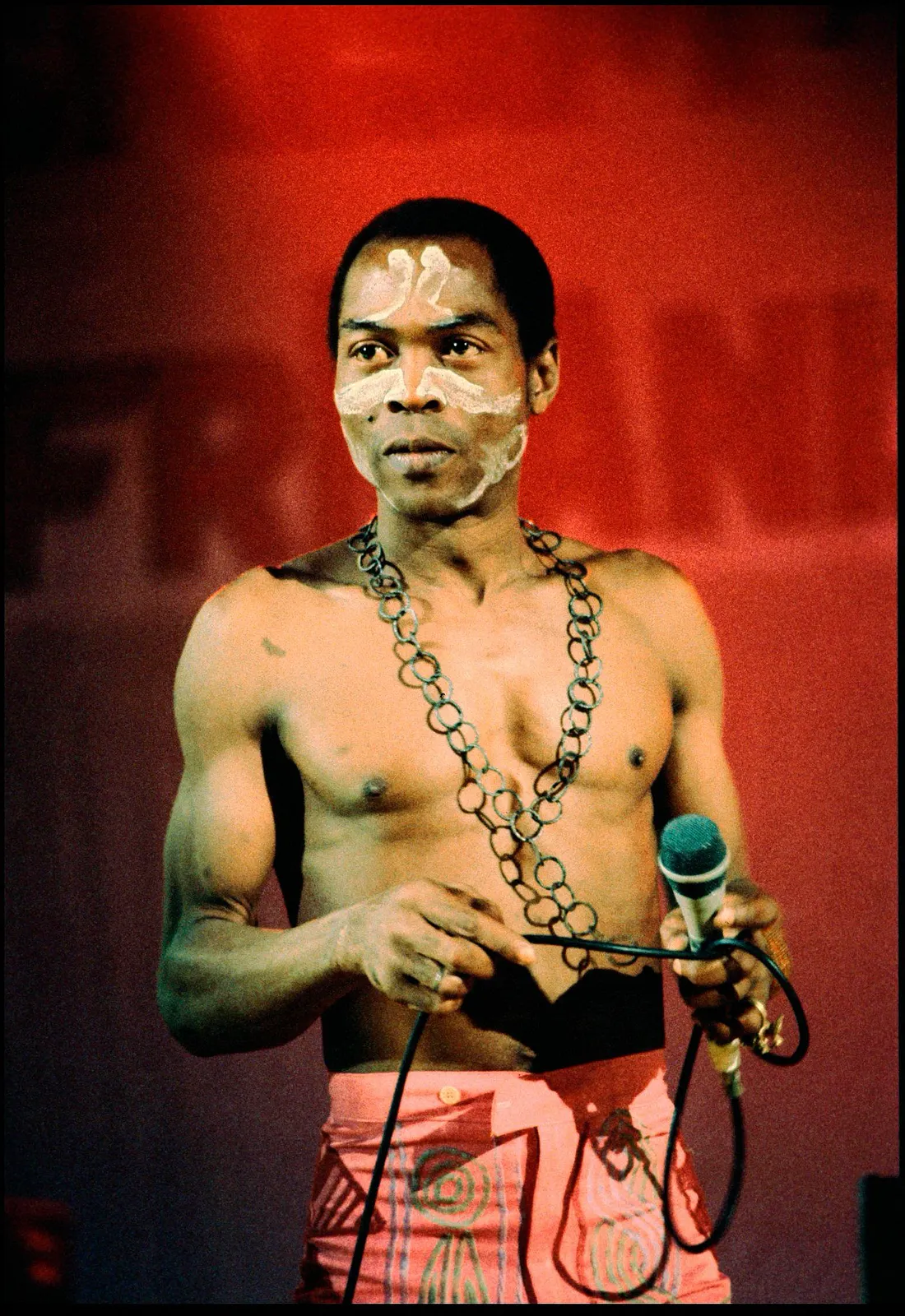
His journey took him to London’s Trinity College of Music in 1958, where he immersed himself in jazz and formed the Koola Lobitos band. Marriage to Remi Taylor followed, but Fela’s destiny was larger than domestic life. By the 1960s, he was back in Nigeria, experimenting with Highlife and jazz, until a challenge from popstar Geraldo Pino pushed him to Ghana. There, he discovered the power of root African rhythms and gave birth to a new sound: Afrobeat.
Afrobeat was not just music. It was a philosophy. It was Africa speaking back to colonialism, corruption, and injustice. When Fela returned to Nigeria, he founded the Kalakuta Republic, a commune, recording studio, and sanctuary for artists and activists. He renamed his band Africa ’70, and later Egypt ’80, shifting his lyrics from love songs to searing critiques of social and political issues. His nightclub, the Afrika Shrine, became a temple of rhythm and resistance, where he officiated Yoruba ceremonies and declared independence from the Nigerian state.
But Fela’s defiance came at a cost. His music enraged the government. His 1977 album Zombie, mocking the military’s blind obedience, provoked a brutal raid on Kalakuta Republic. Soldiers burned his commune, destroyed his instruments, and threw his mother from a window, fatally injuring her. Fela himself was beaten nearly to death. His response was unforgettable: he delivered his mother’s coffin to the gates of General Obasanjo’s residence and immortalized the injustice in songs like Coffin for Head of State and Unknown Soldier.
Through the 1970s and 1980s, Fela’s life was a cycle of creation and persecution. He was arrested over 200 times, jailed for 20 months in 1984, and constantly harassed by authorities. Yet he never stopped. He married 27 women in one day in 1978, a gesture both symbolic and protective, and continued to release albums that shook Africa’s conscience. His protest columns, “Chief Priest Say,” bypassed censorship and attacked corruption, religion, and exploitation with fearless honesty.
📀 Chronological Discography Timeline
1960s – Highlife & Jazz Roots
- Bonfo
- Fere ti mo gbo
- Lobito Special
- Ololufe
- Yese
- Araba’s Special
- Oloruka
- Onidodo
- Oniwayo
- Omuti
1970s – Afrobeat Breakthrough (Africa ’70 Era)
- Jeun Ko Ku (first Afrobeat hit)
- Lady
- Expensive Shit
- Zombie (1977, massive success, criticized Nigerian military)
- Yellow Fever
- Authority Stealing
- Coffin for Head of State
- Unknown Soldier
- Viva Africa (Afro Highlife reconciliatory song after civil war)
1980s – Political & Radical Phase
- Beast of No Nation
- Other politically charged works
1990s – Egypt ’80 Era
- Confusion Break Bone
- Customs Check Point
- ODOO
Collaborations
- Appeared on Stratavarious (1972, Ginger Baker with Bobby Tench)
Fela’s philosophy was simple yet profound: “Music is supposed to have an effect. If you’re playing music and people don’t feel something, you’re not doing shit.” He believed music must move people to dance, but also to think. His concerts were wild, spiritual, and unapologetically African, featuring his Queens—female singers and dancers who embodied color, creativity, and controversy.
Even in his later years, his legend grew. In 1992, Jamaican dancehall icon Shabba Ranks visited Lagos for a concert and challenged Fela to a marijuana smoking contest at Kalakuta Republic. The two puffed away, but Shabba eventually passed out, missing his own show. The story became folklore—a symbol of Fela’s unyielding stamina and his larger-than-life persona.
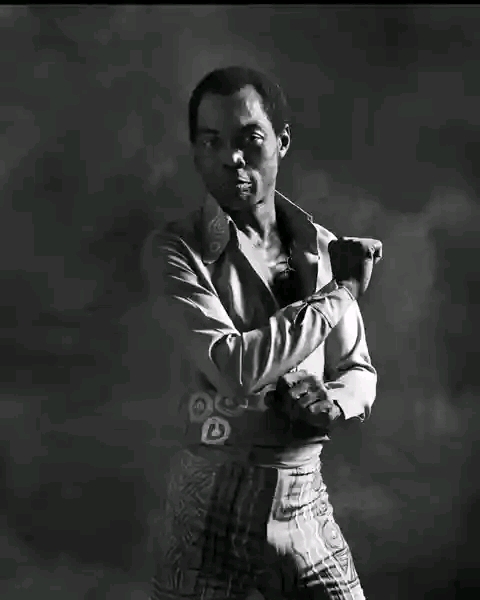
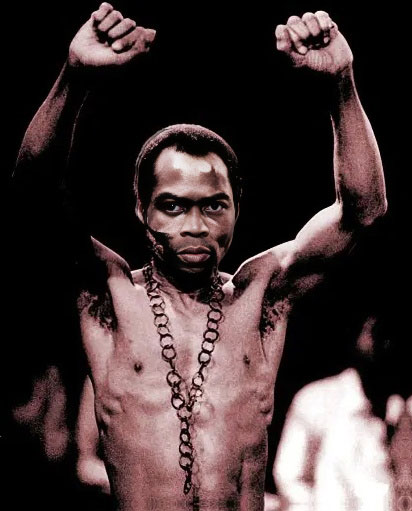
He was not perfect. His choices were bold, sometimes reckless, but always authentic. He lived as he sang—free, fearless, and unyielding. On August 2, 1997, Fela died from complications related to HIV/AIDS. His death was a shock, but his legacy was already immortal. Afrobeat had spread across continents, inspiring bands from Chicago to Berlin, and his voice had become the anthem of resistance for generations.
Fela Anikulapo Kuti carried death in his pouch, but life in his music. He showed Africa that art could be a weapon, that rhythm could be rebellion, and that truth, no matter how dangerous, must be spoken. Future generations should remember him not just as a musician, but as a timeless warrior who sang for freedom, and whose beat will never fade.
Fela lives on—because Afrobeat is eternal, and so is the spirit of resistance.