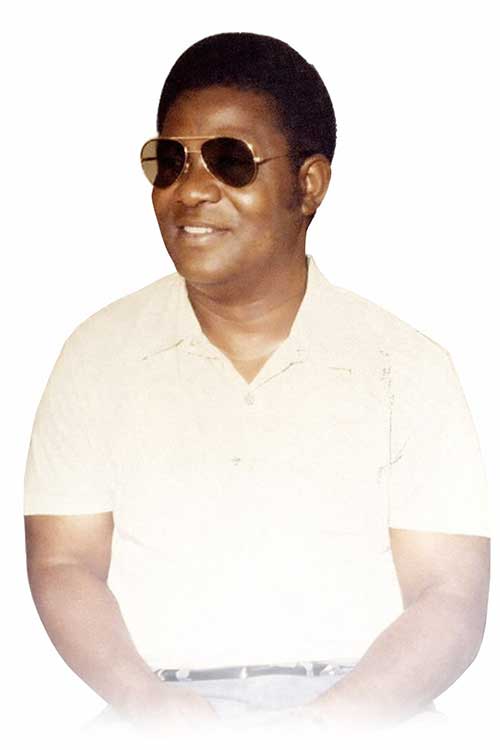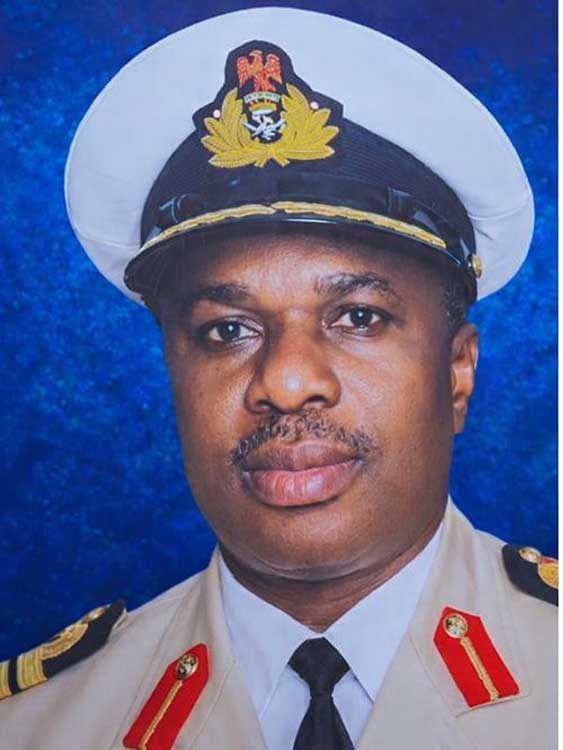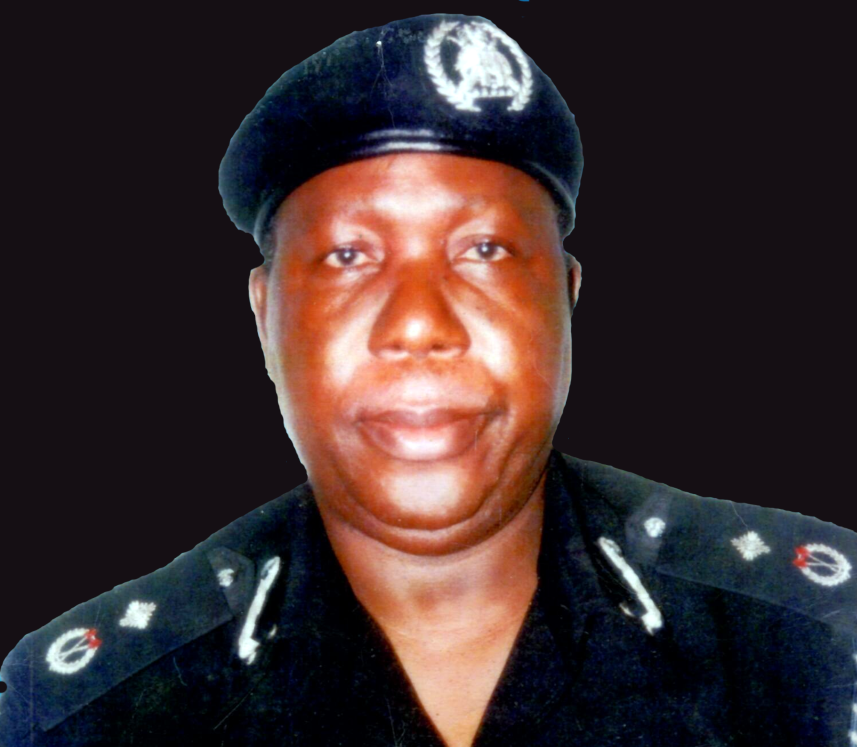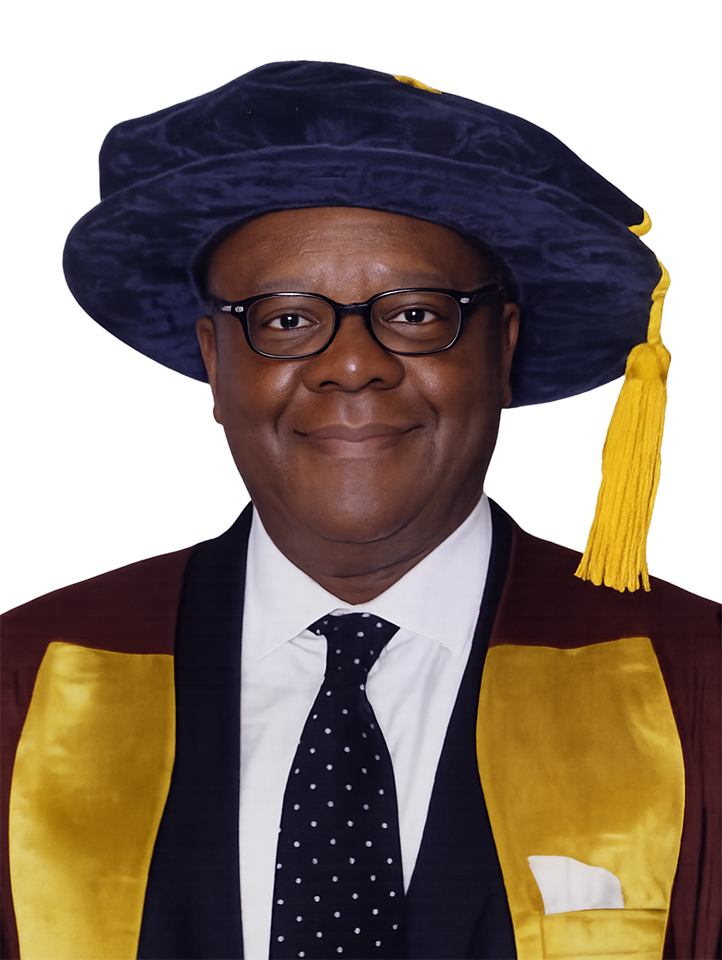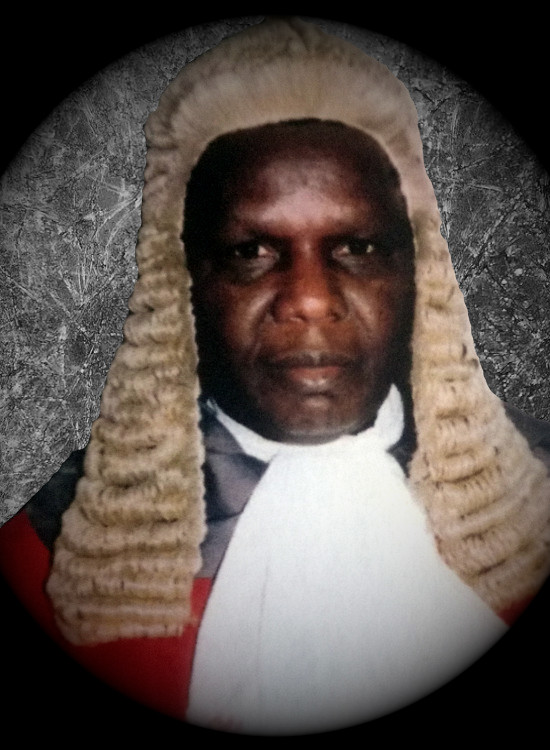
Chief Justice, Paramount Ruler‑Elect
Emmanuel Joel Igoniwari was from Otuedu community in Ogbia Local Government Area of Bayelsa State. He was a respected jurist from the Niger Delta who became the second Chief Judge of Bayelsa State, Nigeria, and His Royal Majesty‑Elect of Ogbia Kingdom.
Synopsis
Late Chief Justice Emmanuel Joel Igoniwari was a distinguished jurist from the Ogbia Kingdom. He began his career as a pioneer typist with the Niger Delta Development Board. Through sheer determination, he achieved his A‑Level papers with a grade one in 1972 and later obtained his Law degree from the University of Lagos in 1976. His judicial journey saw him become a Judge of the High Court of the old Rivers State and eventually the Chief Judge of Bayelsa State following the retirement of Justice David Koripamo Ungbuku, the pioneer Chief Judge of Bayelsa State.
Tragically, Chief Justice Igoniwari passed away on the bench in 2007. In his community, he was elected Royal Majesty of the Ogbia Kingdom, though he was not formally coronated before his death. His contributions to the judiciary in Nigeria were significant — he authored judicial texts, facilitated infrastructure development, and improved staff welfare. He was known for his benevolence, helping many indigent individuals in his domain. Despite his generosity, some elites in his community misunderstood his actions as high‑handedness and envied him.
Notably, Chief Justice Igoniwari played a pivotal role in the political rise of Goodluck Jonathan, supporting his nomination as Deputy Governor alongside Chief Diepreye Solomon Peter Alamieyeseigha in 1999. Igoniwari’s steadfast support and intense lobbying were crucial in securing Jonathan’s nomination, despite opposition from some elites who preferred a candidate from Nembe/Brass.
Chief Justice Igoniwari was an Anglican and a polygamist, with six biological children. He passed away at the age of 63.
Parents and Birth
He was born to Mr. Joel Igoniwari and Mrs. Salomey Itemumu Joel Igoniwari of Otuedu, Ogbia, in present‑day Bayelsa State, on 1 January 1944. He was named Emmanuel and was the sixth of eight children.
Early Life
He began his primary education in 1951 at St. James School, Anyama, Ogbia, and completed it in 1958 at Bishop Crowther Memorial School, Abonnema, in present‑day Akuku‑Toru Local Government Area of Rivers State, obtaining his First School Leaving Certificate. On the invitation of his brother, young Emmanuel Igoniwari arrived in Lagos in December 1958, where he began a new chapter in his life — one that revealed he was a child of destiny.
From 1959 to 1961, he engaged in various menial jobs, ranging from vendor to houseboy and casual laborer, working for European‑owned companies and ships at the Apapa Wharf in Lagos.
Formal Employment and Post‑Primary Education
While other children his age were in school, he worked to earn a living and paid five shillings a month for evening typewriting classes. He also registered with the labor office for possible employment. In 1961, fortune smiled on him when, from a crowd of applicants tested by the P&T (now defunct Post and Telecom), he was among the two who passed. The Postal Director, Mr. Ogundeji, ensured they were employed immediately.
Nine months later, Emmanuel Igoniwari was upgraded to typist in the newly created Niger Delta Development Board (NDDB) and transferred to its Port Harcourt headquarters. His only qualification then was the First School Leaving Certificate.
Working among international experts from England, Scotland, Germany, Holland, America, and Italy shaped his discipline, punctuality, and civility. By 1965, he had passed:
- GCE O‑Level in five subjects, including Pure Mathematics.
- Royal Society of Arts Intermediate Typewriting (35 words per minute).
- Royal Society of Arts Shorthand (100 words per minute).
He was promoted to Stenographer.
The Nigerian Civil War interrupted his studies, but after the war in 1970, he resumed reading. By 1972, he achieved:
- GCE A‑Level in three papers at a sitting.
- Royal Society of Arts Advanced Typewriting (50 words per minute).
- Royal Society of Arts Advanced Shorthand (120 words per minute).
- Royal Society of Arts Teachers’ Certificate (Part 1).
His outstanding results earned him promotion to Confidential Secretary Grade II and entitled him to a car, though he chose to pursue further education instead.
Tertiary Education
Determined to improve himself, he applied to several universities and was offered admission to study Law at:
- University of Lagos
- London School of Economics
- Makerere University, Uganda
- Royal University of Malta
He chose the University of Lagos, where he earned his LL.B (Hons) in 1976. He attended the Nigerian Law School, Victoria Island, Lagos, and was called to the Bar in 1977. He later obtained his LL.M from Ahmadu Bello University, Zaria, in 1986.
His LL.M thesis defense at the University of Ife impressed the panel, led by Professor Fabunmi, who invited him to pursue a Ph.D and a teaching career. He declined, prioritizing his family and clientele in Port Harcourt.
Service at the Bar
He ran a successful private legal practice in Port Harcourt from 1978 to 1991, often defending clients unable to pay. His chambers were located at 54 Aggrey Road, Port Harcourt.
Public Service
He served as Part‑time Chairman of West Africa Glass Industry Limited (1981–1982) and Chairman of Ogbia District Council (1982). He was briefly a member of the Rivers State House of Assembly (October–December 1983) before the military takeover.
Career as Judge and Chief Judge
He was appointed Judge of the High Court of Rivers State on 18 December 1991 by Justice Donald Graham Douglas. After Bayelsa State was created in October 1996, he became Chief Judge on 27 May 2003, following Justice Koripamo Ungbuku’s retirement.
He was the first Ogbia man to become a High Court Judge. He later declined a Ph.D program at the University of Calabar to remain fully dedicated to his judicial duties.
As a judge, he upheld integrity, humility, and fairness, rejecting bribery and corruption. He served on six election petition tribunals across Nigeria — Kano (1998), Borno (1999), Niger (1999), Delta (1999), Edo (1999), and Osun (2003) — chairing three and serving as a member in three. His record remained spotless.
Authorship
Despite his busy schedule, he authored:
- A Handbook on Pleadings (2004)
- Land Tenure Law of Rivers State (co‑author)
His book on pleadings remains influential, especially its chapter on the extended use of originating summons.
As a Community Leader and Traditional Ruler
In December 1991, he was honored by his Otuedu community with the chieftaincy title EDU I of Otuedu. In December 1994, he was made Obanobhan‑Elect (King‑Elect) of Ogbia Kingdom. His people eagerly awaited his retirement to crown him formally, but death intervened.
Community Achievements
He attracted development projects to Otuedu, including a community secondary school and circular road. He sponsored 57 underprivileged children across Ogbia communities, excluding his relatives.
His Legacies
Justice Igoniwari was simple, honest, and principled — a man of faith, compassion, and vision. As Chief Judge, he improved staff welfare, introduced a bus service, and initiated housing projects for junior staff. He expanded judicial infrastructure across Bayelsa State, establishing new courts in Yenagoa, Ogbia, Sagbagria, Otuedu, Ekeremor, Amassoma, and Nembe.
A devout Christian and member of the Prayer Band at St. Peter’s Anglican Church, Yenagoa, he was affectionately called “Papa” by family and friends.
His Death
He fell ill in August 2006 and was flown to London for treatment, later referred to a hospital in Southern Africa, where he passed away on 4 May 2007.
His Family
Justice Igoniwari was a polygamist with nine children. His first wife, Mrs. Victoria A. Igoniwari, was from Otuogidi, and his second wife, Mrs. Akinamobebh Igoniwari, was from Otuedu. Sadly, both are deceased.