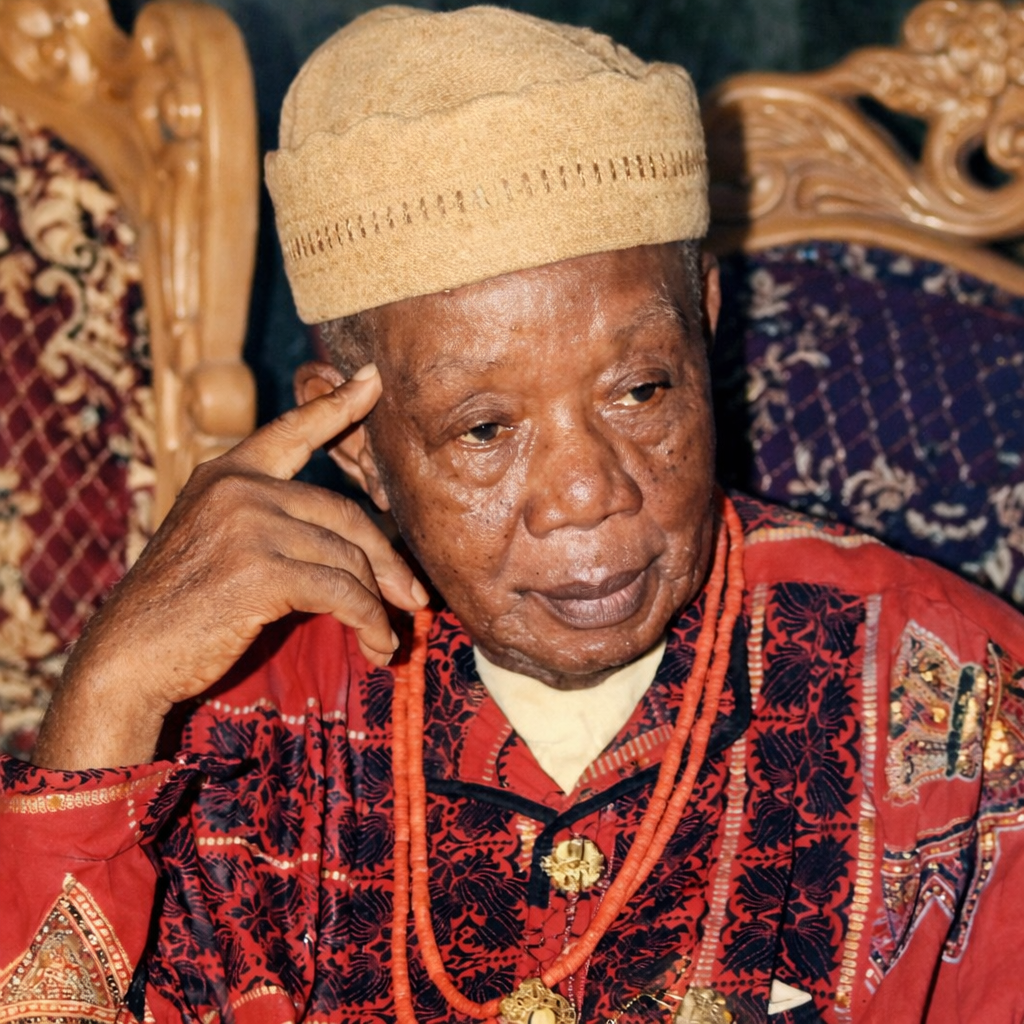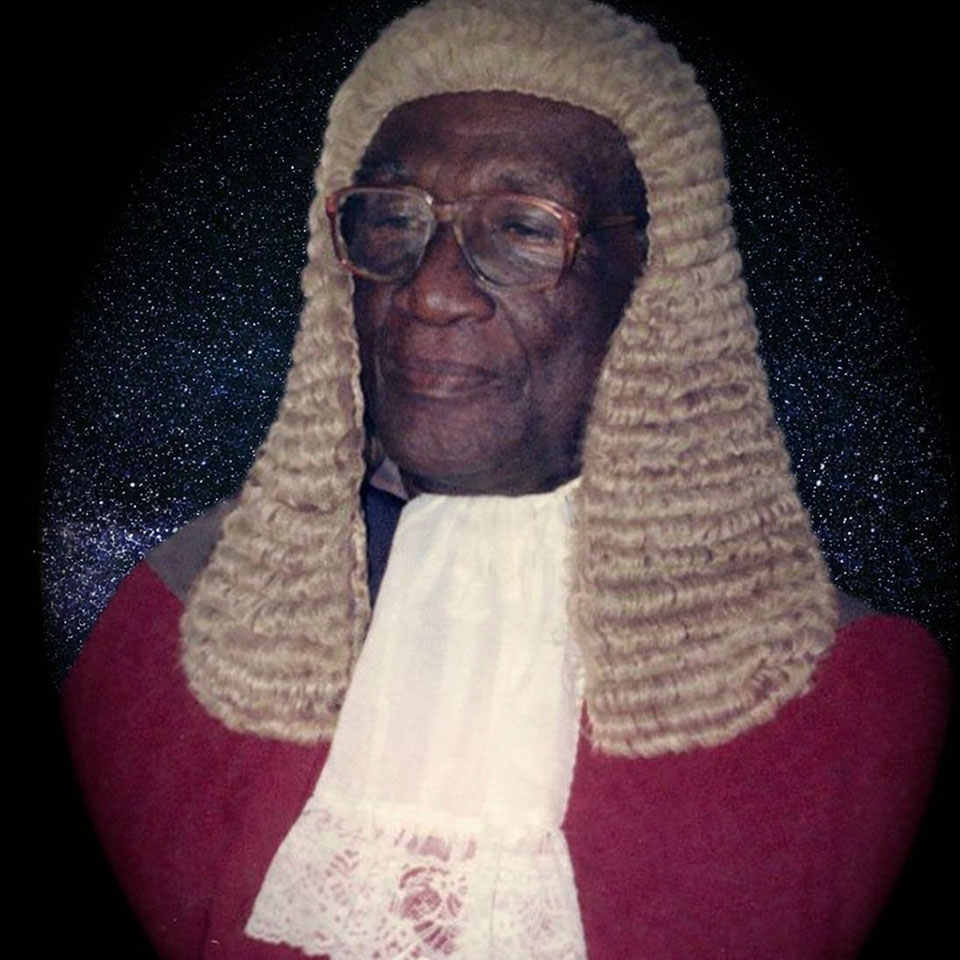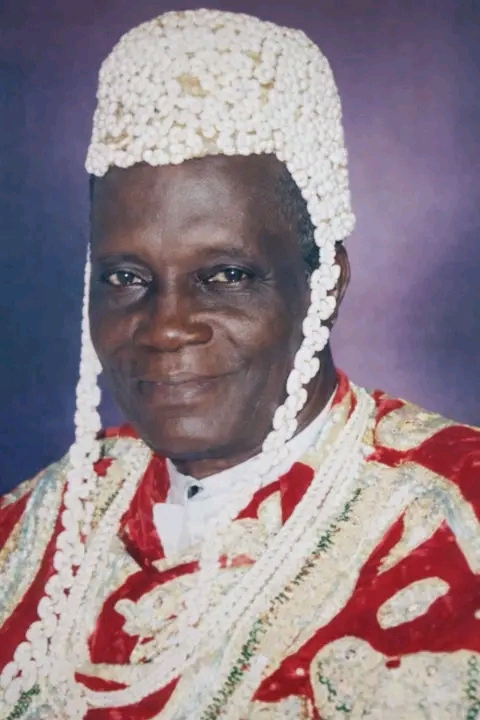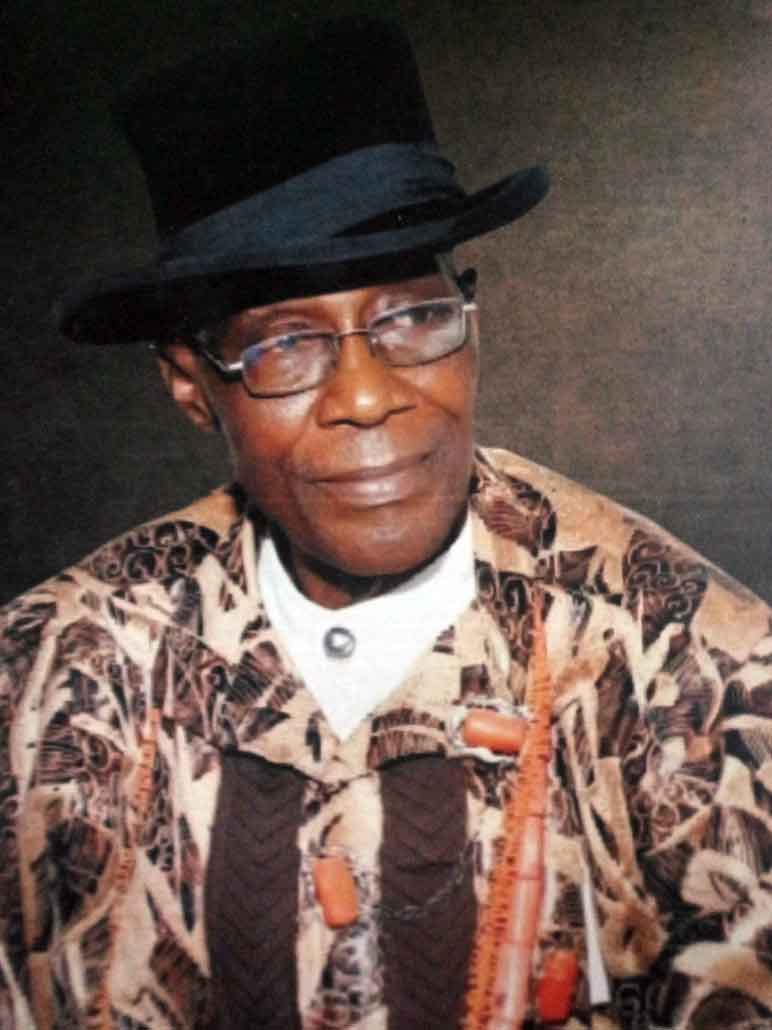
Policeman • Patriarch • Author • Chief
Lucky Awotua Efebo was from Nembe Kingdom in Bayelsa State. He was an accomplished man who rose to the pinnacle of his beloved profession, the Nigeria Police Force, and served the nation meritoriously and diligently without blemish. He was also a respected chief of the Niger Delta region of Nigeria.
He was best known as a kind, amiable, and dutiful police officer who represented the finest principles of law enforcement in Nigeria. In addition, he was respected as a chief who promoted the norms and culture of Nembe traditions.
Who Was Chief Lucky Awotua Efebo?
He hailed from Nembe Kingdom in the Eastern Senatorial District of Bayelsa State. The police force was his place of expression, which he joined in 1949. An amiable officer, loved by both his superiors and subordinates, he retired meritoriously after serving thirty-seven years and six months—beyond the required thirty-five years—due to his effectiveness and sincerity in discharging his duty to the nation.
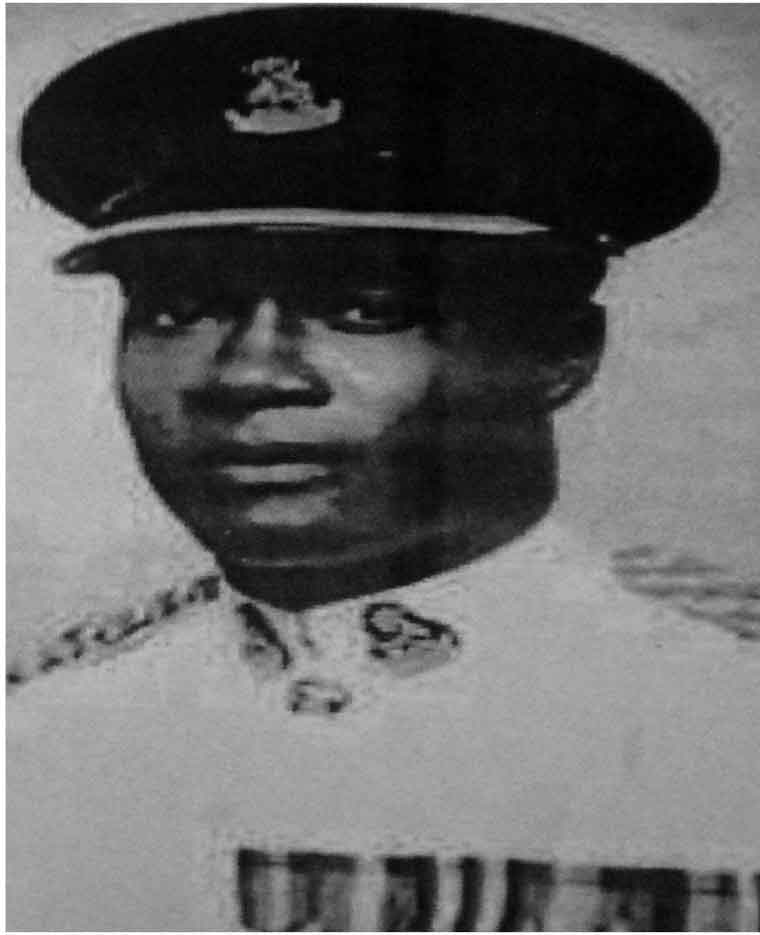
After his retirement in 1986, he worked tirelessly to uphold the customs of Nembe Kingdom as Chairman of the Council of Chiefs, safeguarding the traditions and norms of his people. He built a good reputation both for himself and his family, living a life worthy of emulation. A father of many productive children and a staunch Anglican, he passed away in 2019 at the age of 89.
Parents and Birth
Lucky Awotua Efebo was born on Sunday, December 14, 1930, at Kpongbokiri fishing settlement on the Brass River to Elder Collar Alabolgoni Efebo and Madam Reginah Etiah. Elder Collar Efebo was from Chief Ikata/Oruwari, Kulo/Koko, and Yemanal/Karitongha houses of Ogbolomabiri, Nembe, while his mother was from Shidi-ama, Twon-Brass.
As a young man, Elder Collar Efebo left Ogbolomabiri for Twon-Brass in search of greener pastures. He worked as an interpreter for the colonial masters of the Royal Niger Company, the forerunner of the defunct United Africa Company (UAC).
Lucky was deeply loved by his father, who nicknamed him Mondibo—meaning “bosom friend.” He grew up with his maternal grandmother, Dinah, fondly known as Grandma Na, who was a notable disciplinarian and a devout Christian. From her, he imbibed Christian values, kindness, and a strong belief in education.
Education and Career
At age ten, Lucky was enrolled at St. Barnabas Primary School, Brass, from 1940 to 1947, where he completed Standard Six and obtained his First School Leaving Certificate.
He later moved to Warri to join his elder sister, Mabel. During this period, a nationwide recruitment exercise was conducted by the Colonial Police of Nigeria. He applied, passed the examination, and was sent to Oji River Police Training School for recruitment training.
On August 1, 1949, he was enlisted into the Nigeria Police Force as a Third-Class Constable, becoming one of the first generation of indigenous police officers in Nigeria and the Nembe-Ijo nation. He rose through the ranks to Deputy Commissioner of Police and retired meritoriously on November 1, 1986, after thirty-seven years of service.
He was known for his neat appearance, commanding voice, and professional demeanor. His conduct inspired respect and encouraged many Ijaws and other Nigerians to join the police force.
Contemporaries
Among his colleagues and friends in the police force were some of Nigeria’s finest officers, including CP Pepple, ACP Allison, CP Kent Ikia, CSP Oyhakilome (later CP and Military Administrator of old Rivers State), ASP Chief A.K. Horsefall, ASC Perry Osanyande (retired as DIG), and ASP B. Netmah (retired as ACP).
Places Served
Chief Efebo served across Nigeria during his career. He worked in present-day Delta State (Warri, Sapele, Burutu, Forcados, Ughelli) from 1949 to 1958; in the Western Region (Ibadan, Oyo, Akure, Owo) from 1959 to 1967, where he was nicknamed FAC (First Aid Course) for his excellence as an instructor; at Police Headquarters, Moloney-Lagos from 1967 to 1969; and in Rivers State from 1970 to 1985, where he served as Division Police Officer in various local governments. Between 1982 and 1984, he was in charge of B’ (OPS), Rivers State, and later became Officer-in-Charge of State CID, Port Harcourt, from 1984 to 1985. His final posting was at the Police Staff College, Jos, where he served as Director of Professional Studies until his retirement in 1986.
Life After Retirement
Retirement did not slow him down. He was appointed Chairman of the Environmental Sanitation Tribunal, Trans Amadi Zone, serving as a Grade 3 Magistrate from December 18, 1987, to October 31, 1991. He later became a member of the Bayelsa State Security Advisory Committee during Governor Goodluck Jonathan’s tenure and was the first Chairman of the Association of Retired Police Officers of Nigeria (ARPON), Rivers State chapter. He also chaired the Rivers State Amateur Swimming Association.
As a Chief
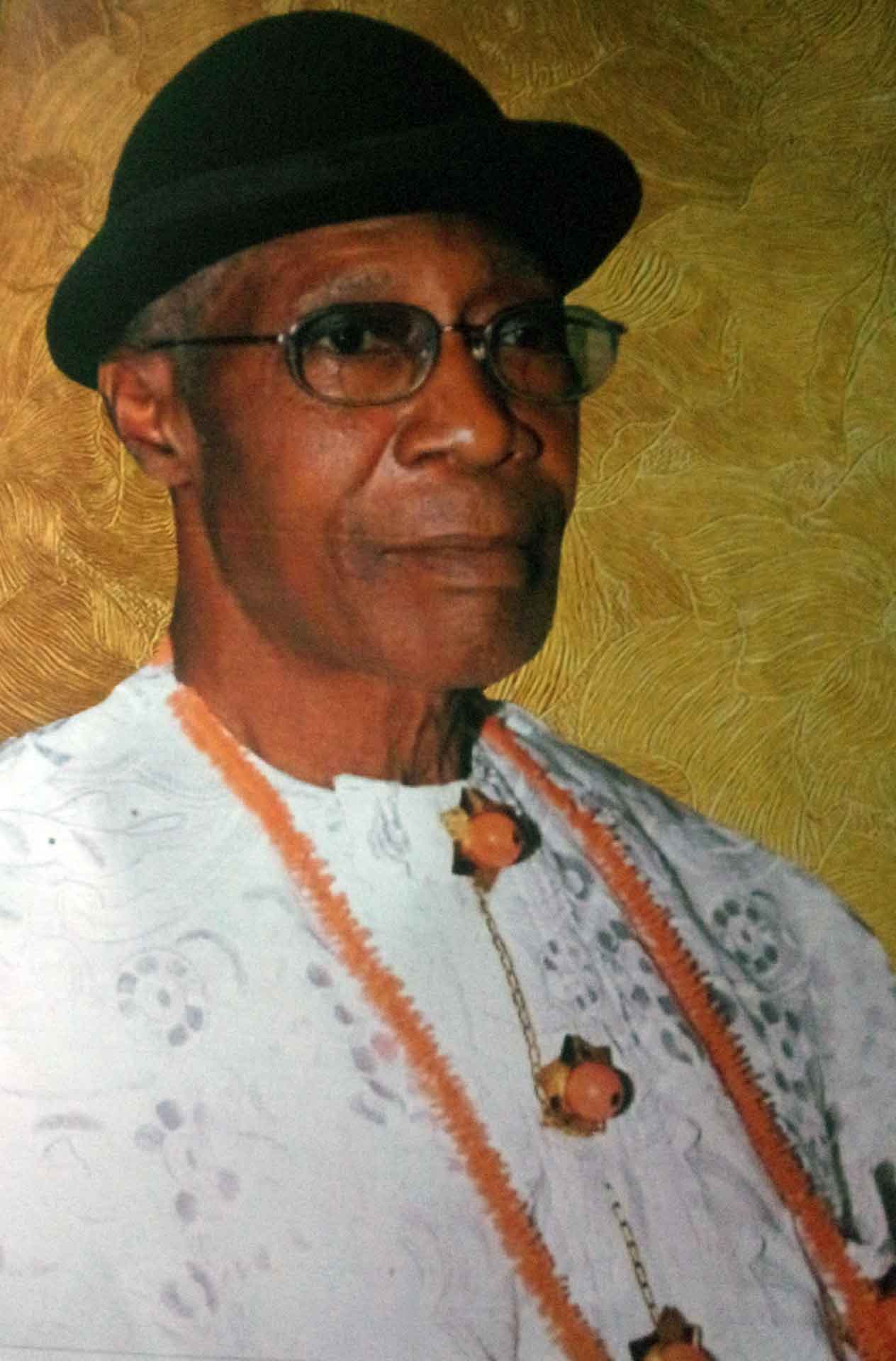
In the 1990s, the Nembe Ogbolomabiri people honored him by enthroning him as Chief of the Karitongha/Yemainain war canoe houses. He later became Treasurer and Chairman of the Nembe Chiefs’ Council. During his tenure, Nembe experienced peace, as both Ogbolomabiri and Bassambiri communities reconciled and projected unity, strengthening their age-old traditions.
Hobbies and Scholarship
Chief Efebo was a scholar who loved reading and writing. He promoted the teaching and learning of the Nembe language, publishing Nembe Language Made Easy in 1967. In 1960, he translated Nigeria’s National Anthem into Nembe dialect. He also authored monographs on the origin of Twon-Brass and his experiences as Chairman of the Nembe Chiefs’ Council.
Family and Death
Chief Efebo traveled widely to Europe, the United States, and Canada. Though a polygamist, he was a humble and contented man who lived simply and raised many productive children. A staunch Anglican, he passed away on October 5, 2019, at the age of 89.