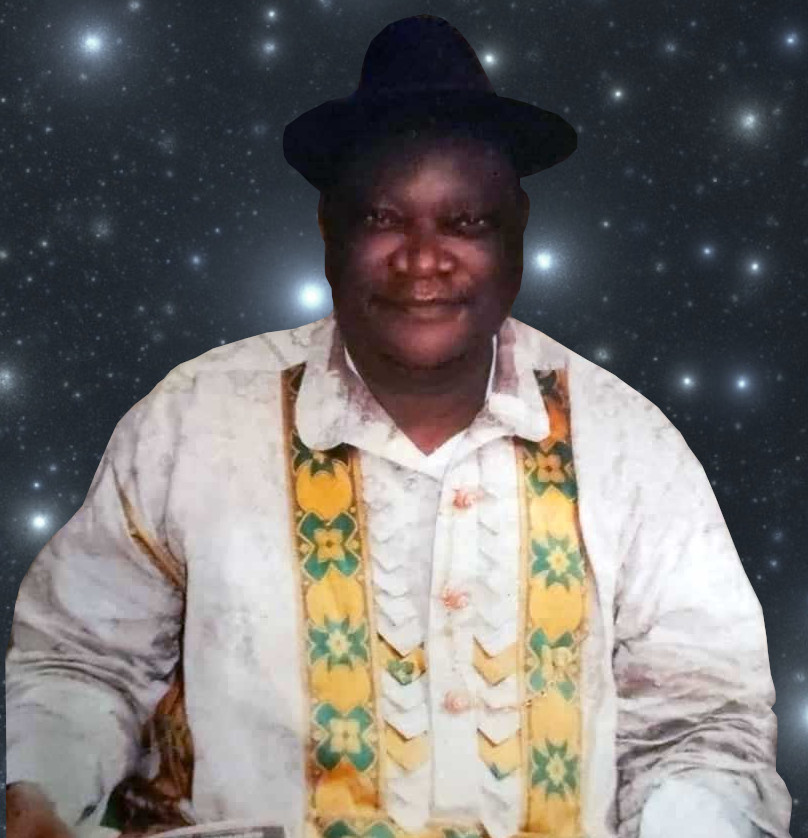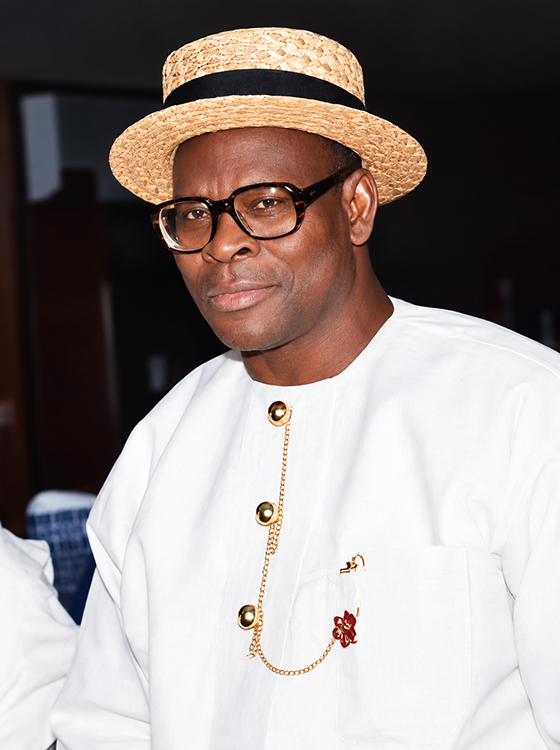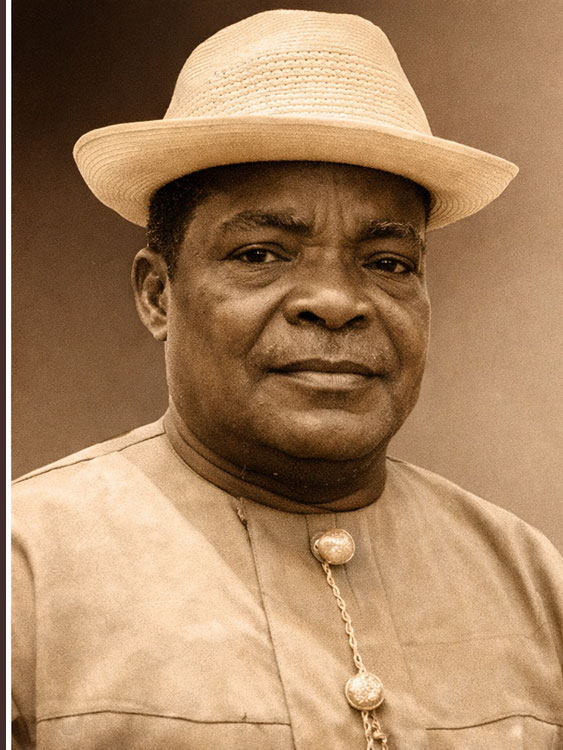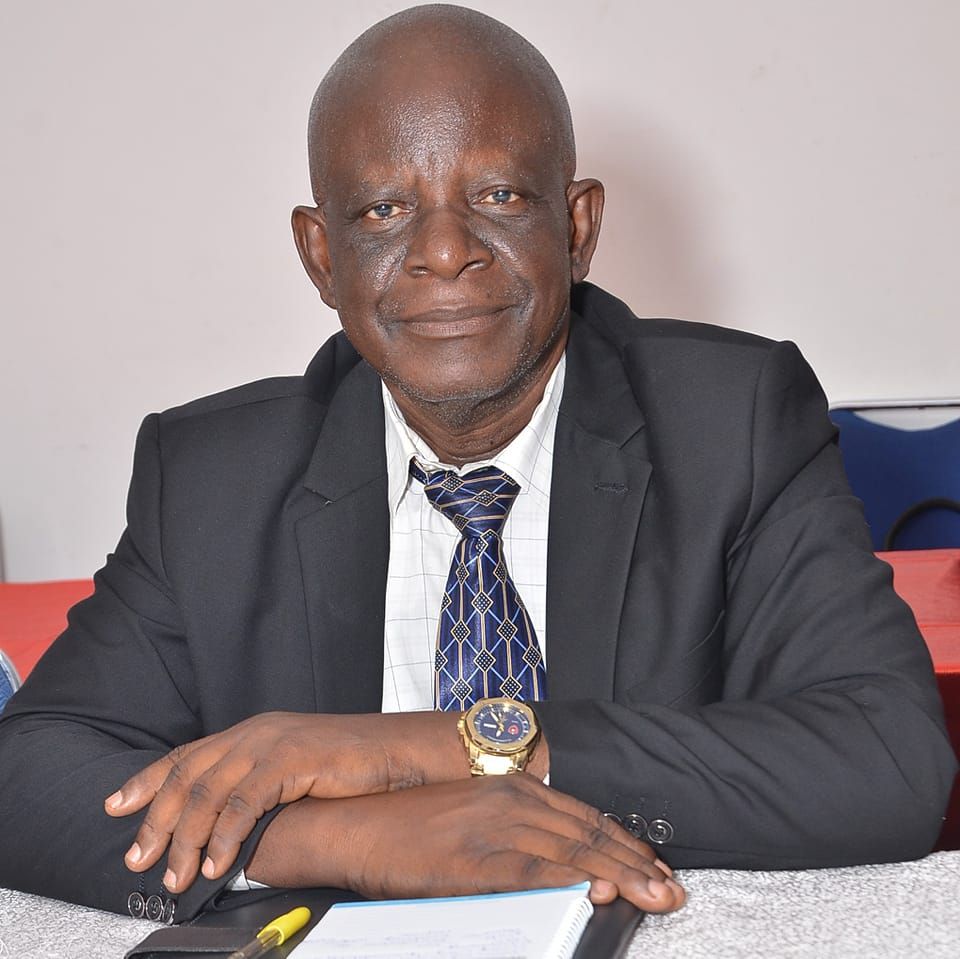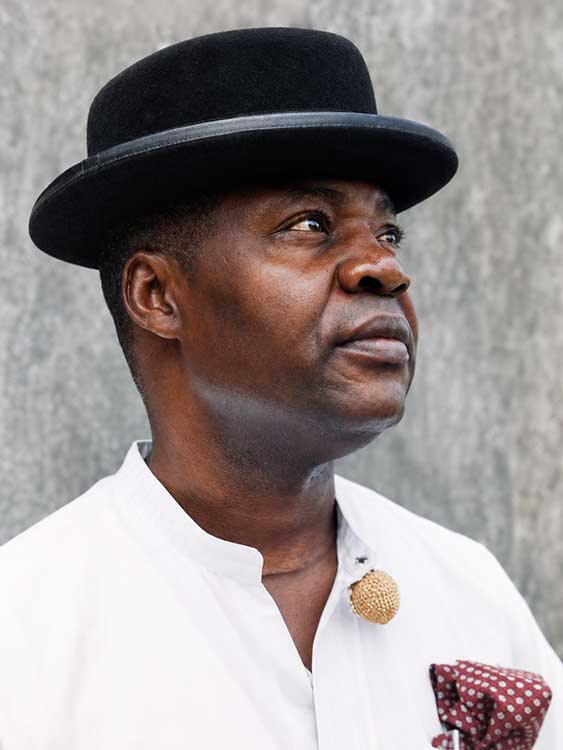
Lawyer • Banker • Maritime Executive • Entrepreneur • Pro-Democracy Activist • Church Founder • Philanthropist • Political Strategist • Ijaw Statesman
Chief Dr. (Barr.) Zebulon Meschech Abule was one of the most remarkable sons of the Niger Delta, whose influence extended across law, banking, maritime commerce, politics, religion, philanthropy, and community development. A distinguished lawyer, banker, entrepreneur, church leader, and pro-democracy advocate, he was widely respected for his intellect, courage, generosity, and unwavering commitment to justice and nation-building.
Throughout his lifetime, he built successful business enterprises, championed democratic ideals during military rule, mentored emerging leaders, and devoted substantial resources to the advancement of humanity. His legacy remains deeply woven into the political and socio-economic history of Bayelsa State, Rivers State, and Nigeria.
Early Life and Education
Chief Dr. (Barr.) Zebulon Meschech Abule was born on 17 April 1946 into the renowned Boma Clan of Diebu in present-day Southern Ijaw Local Government Area of Bayelsa State. He was the only son born to Late Chief Meschech Abule and Madam Findie Abule.
His early education began at St. Paul’s Primary School, Diebu, where he studied from 1952 to 1957. He subsequently attended St. James School, Ekowe, from 1957 to 1959, before proceeding to the Royal Commercial Institute, where he studied between 1960 and 1962.
Determined to combine practical experience with academic excellence, he later pursued higher education abroad. He attended the University of Buckingham, England, where he earned a Bachelor of Laws (LL.B Honours) degree. He subsequently obtained a Master’s Degree (MSc) from Liverpool Polytechnic, Liverpool in 1984.
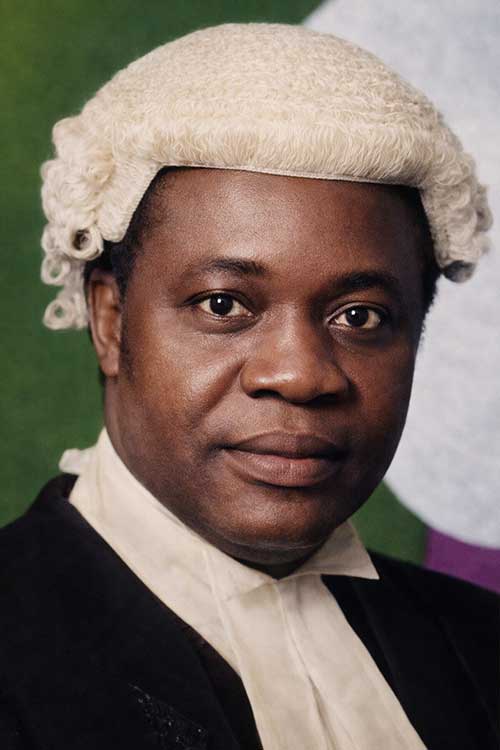
In the same year, he attended the Nigerian Law School, and in 1985 was called to the Nigerian Bar as a Barrister and Solicitor of the Supreme Court of Nigeria.
His distinguished contributions to society later earned him an Honorary Doctor of Laws (LL.D Honoris Causa) from the Christian Evangelist University, California, United States of America.
Professional Career and Business Empire
Chief Abule’s professional career began in the early 1960s and spanned more than four decades.
His early appointments included service with:
- Adriatic Company Nigeria Limited (1963)
- Energo Project/Ingra, Lagos (1963–1964)
- Yugoslav Embassy, Lagos (1964–1966)
- Anansa Line, Apapa, Lagos (1966–1967)
- Atlantic West Africa Lines Limited, Apapa (1967–1968)
- Dizengoff West Africa Limited (1969–1970)
As an entrepreneur, he became a pioneer in indigenous shipping and maritime operations. He established and managed Rivway Lines Limited, one of Nigeria’s early indigenous tanker shipping ventures, and Sample Shipping Agency, which played notable roles in maritime logistics and commerce.
Chief Abule was also among the earliest Nigerian businessmen to engage in international trade with Eastern European and Asian partners. He became known as one of the first importers of Vitro Cement from Romania and maintained commercial relationships with foreign corporations, including Chinese and Ukrainian enterprises.
His understanding of commerce, shipping, and international business positioned him as a leading entrepreneur long before his active involvement in politics.
Founder of Crystal Bank of Africa
Among Chief Abule’s most notable achievements was the establishment of Crystal Bank of Africa Limited, where he served as Founder and Chairman between 1990 and 1995.
Under his leadership, the bank emerged as a significant indigenous financial institution with investments and properties across Lagos and Port Harcourt.
Among the bank’s notable assets were facilities located near Holy Rosary Girls School in Old GRA, Port Harcourt; properties in Apapa and Tin Can Island, Lagos; and the bank’s headquarters at Victoria Island, Lagos.
He also maintained extensive business investments, including maritime facilities and a jetty at Rumuolumeni-Iwofe in Port Harcourt, as well as hospitality investments such as Abule Hotels at 364 Chief Melford Okilo Expressway, Kpansia-Epie, Yenagoa.
Legal Practice and Public Service
Following his call to the Bar, Chief Abule established himself as a respected legal practitioner and consultant.
His public service assignments included:
- Legal Consultant to the African Development Bank, Abidjan (1987–1988)
- Author of The Legal Aspects and Guidelines of Small and Medium Scale Enterprises in Nigeria
- Member, Implementation Committee of the Niger Delta Basin Development Authority, Port Harcourt (1986–1987)
- Member, Sub-Committee on Privatization and Commercialization under the River Basin Authority (1985–1986)
He was also a member of the Nigerian Institute of Management (MNIM), Nigerian Institute of Shipping (MNIS), and a Fellow of the Nigerian Institute of Administrative Management (FNIAM).
Political Career and the 1993 Governorship Race
Chief Abule’s influence extended significantly into politics.
During Nigeria’s transition programme in 1993, he emerged as a governorship aspirant under the National Republican Convention (NRC). According to family accounts and political associates, he secured victory in the party’s governorship primary process but was subsequently disqualified by the military authorities on allegations widely viewed by his supporters as politically motivated.
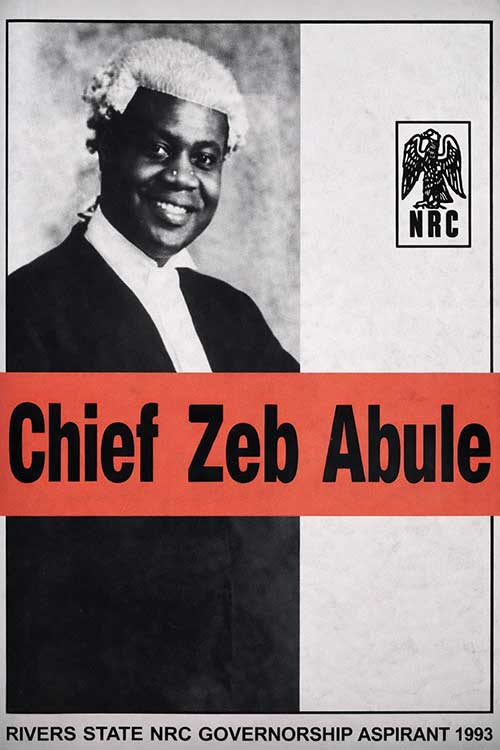
The disqualification brought an abrupt halt to what many believed would have been a transformative political career and altered the course of Rivers State politics.
The events surrounding the 1993 transition remain one of the most discussed chapters of his public life.
Founding Father of Bayelsa State
Chief Abule played an active role in the political advocacy and consultations that culminated in the creation of Bayelsa State in 1996.
As one of the respected voices championing greater political representation and self-determination for the Ijaw people, he contributed to the movement that ultimately secured statehood for Bayelsa.
Today, he is remembered among the founding fathers whose vision and sacrifices helped shape the emergence of the state.
Pro-Democracy Struggle and Political Persecution
One of the most defining periods of Chief Abule’s life came during the military era of General Sani Abacha.
He was accused by the regime of providing support and financial assistance to members of the National Democratic Coalition (NADECO), the leading organization campaigning for the restoration of democratic governance following the annulment of the June 12, 1993 presidential election.
As a result, he suffered severe persecution, detention, imprisonment, intimidation, torture, and economic hardship.
He was incarcerated in detention facilities including Kano Prison and Ikoyi Prison, where he encountered several notable political figures of the era, including Chief Olusegun Obasanjo, who would later become President of Nigeria.
Unlike many pro-democracy activists who sought permanent refuge abroad, Chief Abule reportedly refused to abandon his homeland despite the risks involved.
His sacrifices between 1992 and 1999 formed part of the broader struggle that ultimately restored democratic governance to Nigeria.
The period also witnessed the confiscation and loss of significant business assets associated with him, including banking and commercial properties.
Landmark Human Rights Victory
Following the return of democratic rule, Chief Abule instituted legal proceedings against the Federal Government of Nigeria over violations of his fundamental human rights and the confiscation of his properties during military rule.
The court ruled in his favour and ordered that the seized assets be returned.
However, according to family accounts, many of the affected properties were never fully restored despite the judgment.
His legal victory remains an important chapter in the history of efforts to seek redress for abuses committed during the military era.
Peace Ambassador and Political Mentor
Following the return to democratic governance, Chief Abule was recognized for his commitment to peace, national unity, and public service.
He was appointed as the first Peace Ambassador from Nigeria’s South-South region by President Olusegun Obasanjo.
Beyond public office, he became widely regarded as a political mentor and strategist whose support and guidance influenced numerous political leaders.
Among those associated with his mentorship, support, or political influence were President Goodluck Ebele Jonathan, Chief D.S.P. Alamieyeseigha, Chief Timipre Sylva, Senator Seriake Dickson, Senator Frederick Agbedi, Senator Magnus Abe, Senator Steve Azaiki, Senator Maria Ebikake, Rt. Hon. Rotimi Amaechi, Chief Timipre Alaibe, Chief Patrick Osunu, and several other notable figures from the Niger Delta and beyond.
His ability to identify talent, build alliances, and encourage emerging leaders earned him a reputation as one of the most influential political kingmakers of his generation.
Religious Life
Chief Abule was a deeply spiritual man whose Christian faith guided his personal and public life.
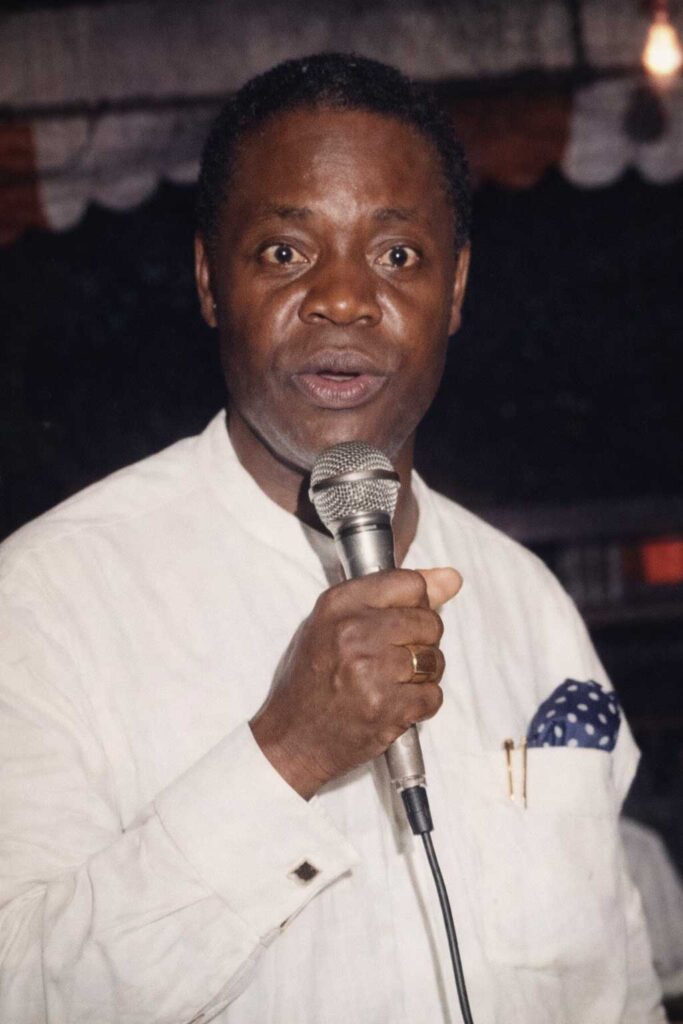
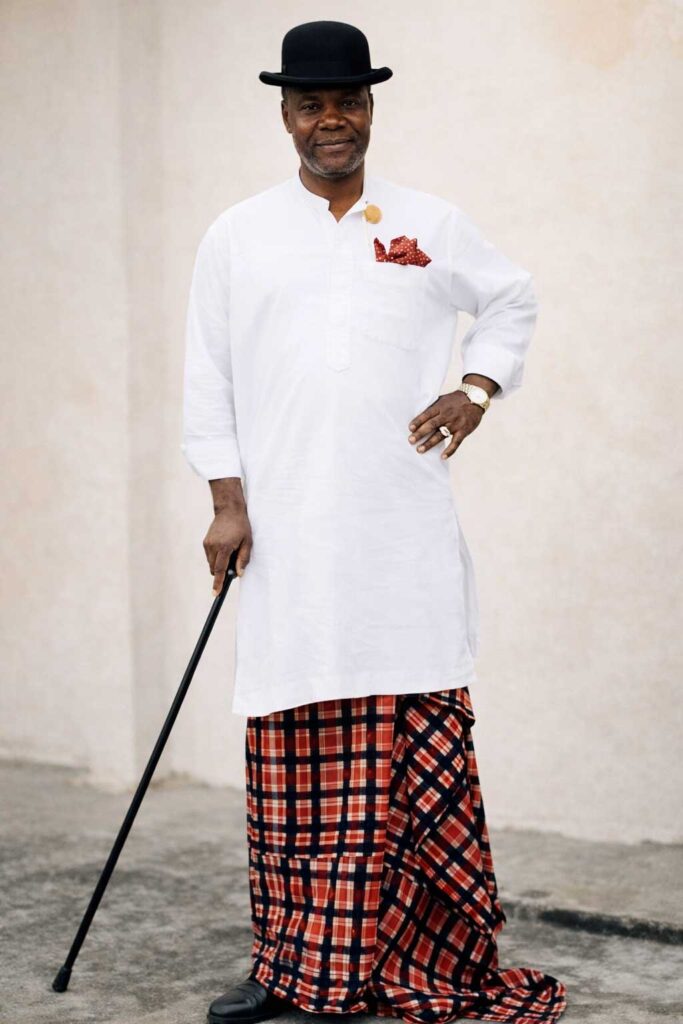
He founded Crystal Cathedral Church Worldwide, through which he promoted Christian teachings and community service.
He also served as a Bishop and member of the Board of Governors of the Olumba Olumba Obu Church, contributing to the spiritual development of many followers.
Philanthropy and Community Service
Chief Abule’s generosity became legendary among those who knew him.
He sponsored the education of numerous young Nigerians, supported widows and orphans, assisted the elderly and less privileged, and provided opportunities for many aspiring professionals and entrepreneurs.
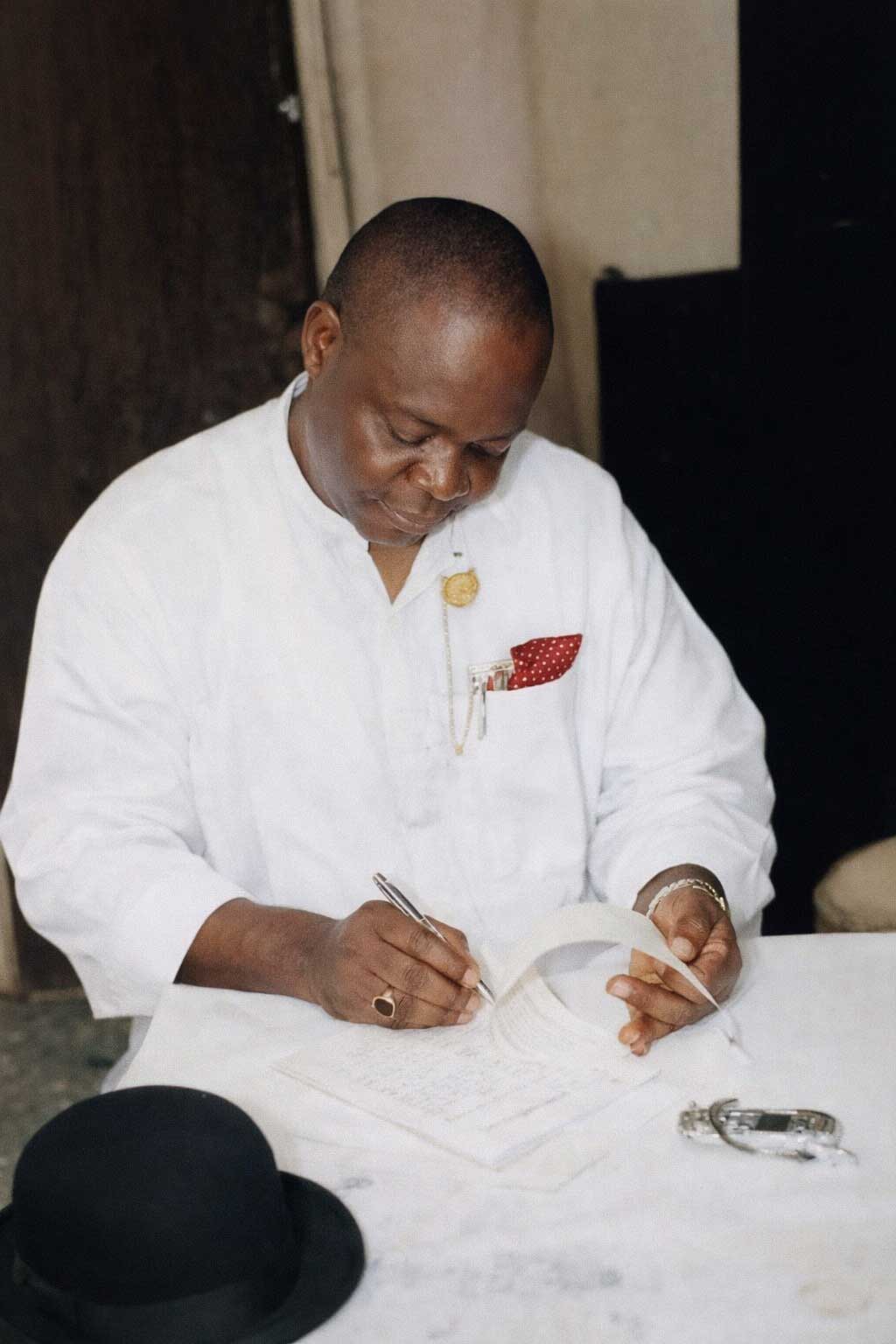
His humanitarian activities touched lives across Bayelsa State, Rivers State, and other parts of Nigeria.
Traditional Honours
In recognition of his leadership and contributions to society, he received several honours and traditional titles, including:
- Ibe Zuowei of Boma Clan
- Kuronama (Lion) of Ijaw Land
These honours reflected the immense respect and admiration he commanded among his people.
Marriage and Family
Chief Abule was married to four wives and was blessed with fourteen children, comprising nine sons and five daughters.
His wives were:
Late Mrs. Uchanma Patricia Mbah Abule (1950–2025)
Of Ohafia, Abia State.
Children:
- Mrs. Theresa Tari Akene
- Mr. Elijah Toney Abule
- Engr. Lucky Ibinabo Abule
- Mr. Samuel Pappy Abule
Mrs. Caroline Domotimi Manilla Abule (née Otobotekere)
Children:
- Dr. Zebulon Timiebi Abule
- Mrs. Preye Sheila Maclayton
- Mr. Bobara Abule
- Mr. Belema Ihekweagba
Mrs. Beatrice Itohan Abule (née Imiosi)
Of Edo State.
Children:
- Mr. Timothy Abule
- Ms. Esther Abule
- Mr. Emmanuel Abule
Dr. Mrs. Esther Abule (née Ogwutum)
Of Rivers State.
Children:
- Mr. Amaowei Abule
- Mr. Ayibaemi Abule
- Mrs Ibiere Addey nee Abule
He was a proud patriarch whose legacy continues through his children, grandchildren, and extended family spread across Nigeria, Canada, the United Kingdom, and the United States.
Residences and Investments
Chief Abule maintained notable residences and investments in Rivers and Bayelsa States.
Among his residences were:
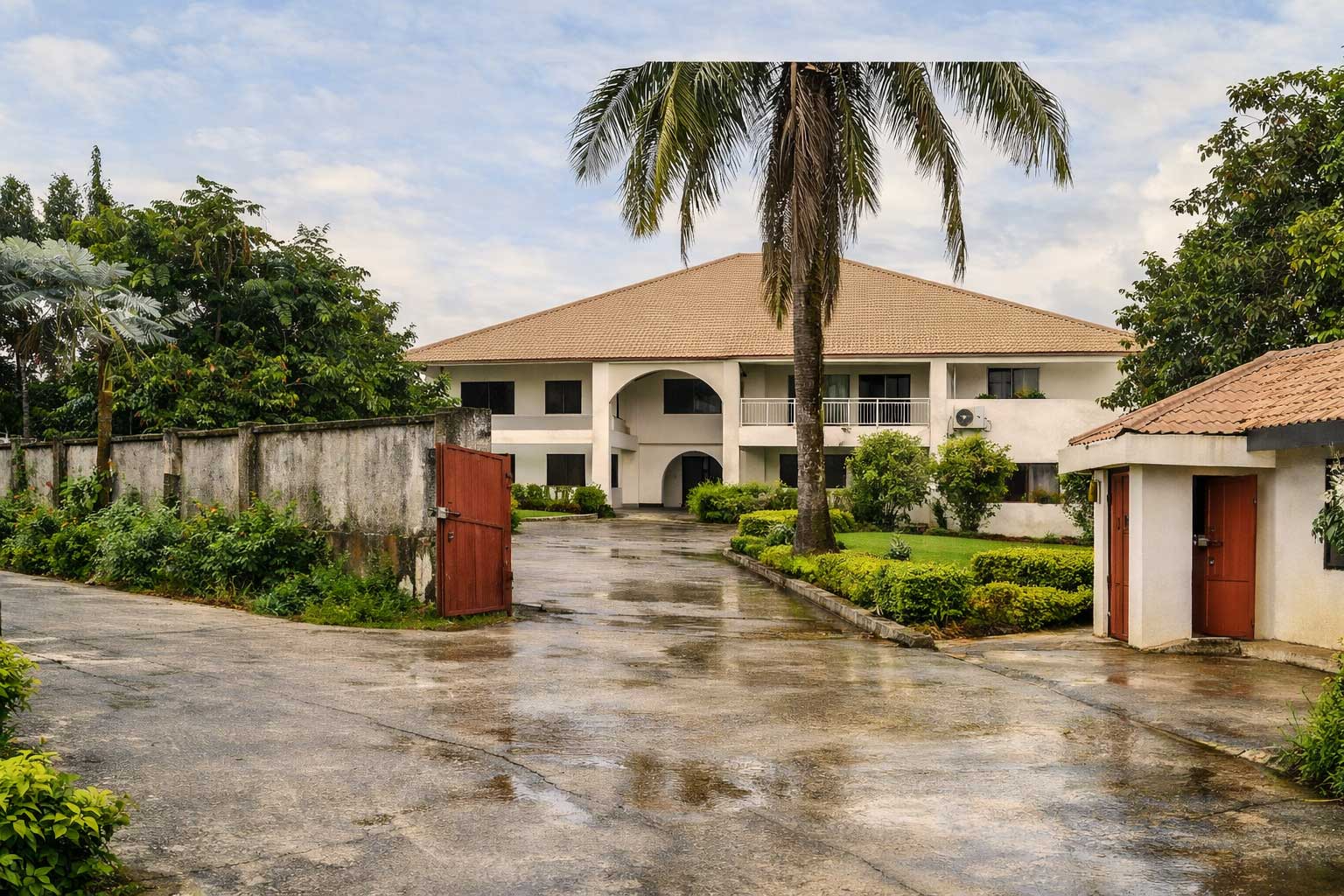
- Abule Estate No. 2, Chief G. C Ogbonda layout, by Shell Residential area Rumuogba, 2nd Artillery, Port Harcourt, Rivers State
- 50D Omerelu Street, GRA, Port Harcourt.
Death and Legacy
Chief Dr. (Barr.) Zebulon Meschech Abule passed away on 1 July 2008.
He left behind an extraordinary legacy as a lawyer, banker, maritime entrepreneur, church founder, philanthropist, founding father of Bayelsa State, pro-democracy activist, political mentor, and nation-builder.
His life was characterized not only by success but also by sacrifice. He endured political persecution, imprisonment, torture, economic setbacks, and the loss of major assets, yet remained steadfast in his convictions.
Today, Chief Dr. (Barr.) Zebulon Meschech Abule is remembered as one of the most consequential Ijaw leaders of his generation—a man whose influence can still be seen in the institutions he built, the leaders he mentored, the communities he uplifted, and the democratic ideals for which he courageously stood.
Research Note: This biography is compiled from the official funeral brochure provided by the Abule family of Diebu, Southern Ijaw LGA, Bayelsa State, 2026, and direct accounts from the Abule family, June 2026. NADECO details verified through accounts of pro-democracy activists and public records of Nigeria’s democratic struggle, 1993–1999. Photo of source document available at end of article.