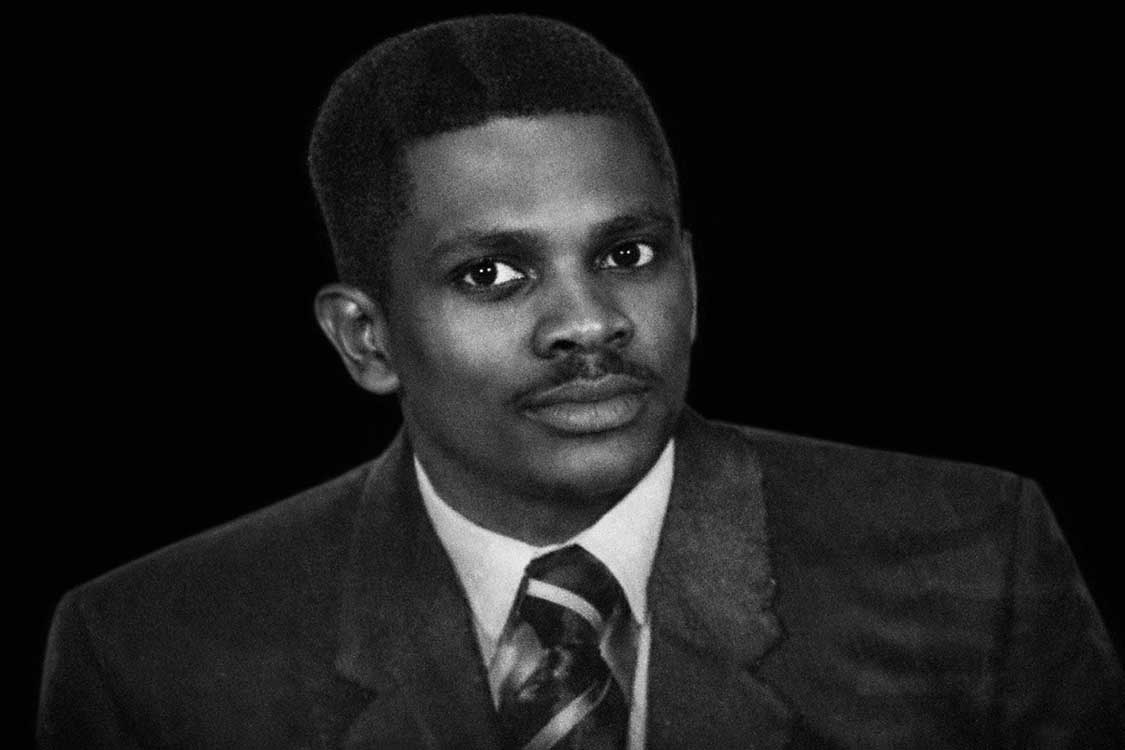
Teacher | Principal | Administrator | Elder Statesman
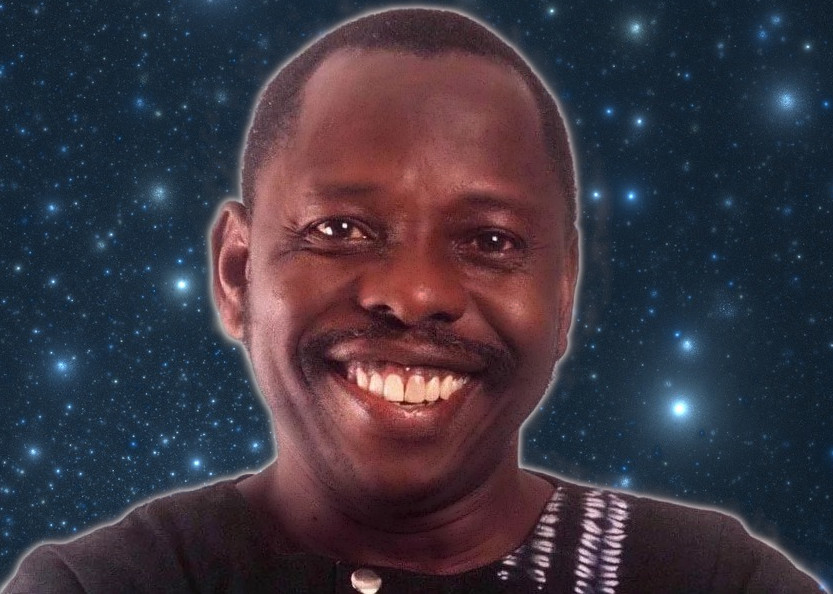
Abraham Bagshaw Batubo was a towering figure in education and faith whose influence shaped the school system of the Niger Delta for more than five decades. A consummate teacher, administrator, and devout Baptist, he left an indelible mark on generations of students and educators across Southern Nigeria.
Early Life and Heritage
Born on September 4, 1904, in Buguma City, Southern Nigeria (now Rivers State), Abraham Bagshaw Batubo—fondly called Papa—was the son of Dabibi Bagshaw Batubo, a successful businessman and one of the Seven Elders who brought the Batubo War Canoe to Buguma, and Batuboba Kaladoku, daughter of Enwere and wife of Chief Prince Batubo, paramount ruler of Batubo House. His lineage embodied courage, leadership, and devotion to community.
Education and Formation
Papa began his education in 1919 at Baptist School Buguma under Mr. C. J. Lawson. When the school closed in 1923, he turned to fishing and trading—the lifeblood of the Kalabari people—before resuming studies at Our Saviour’s African School, Buguma in 1926. He passed the Government Standard Six Examination in 1929.
In 1931, Miss Young, an American Baptist missionary, took him to Baptist College and Seminary, Ogbomosho, where he trained as a teacher and earned the Teacher’s Grade II Certificate in 1935. His thirst for knowledge led him to further qualifications: Teacher’s Senior Certificate (1940), London Matriculation (1946), and Inter‑BSc Economics (1947). That same year, he gained admission to Fourah Bay College, Freetown, graduating in 1951 as one of the earliest university graduates from Kalabari land and the wider Eastern Nigeria.
Career and Educational Leadership
Abraham Bagshaw Batubo began teaching at Baptist School Buguma in 1929 and became Head Teacher in 1935. His vision for education led him to found Kalabari National College (KNC) in 1938 with seventeen students under the Baptist Mission.
He later taught at Qua Iboe Mission Institute, Baptist Academy Lagos, and Baptist High School Port Harcourt, where he rose from Senior Teacher to Vice Principal (1952–1956) and ultimately Principal in 1967. His stewardship extended to Baptist schools across Eastern Nigeria, where he supervised teachers and ensured academic excellence.
When missionary schools were taken over by the Rivers State Government in the 1970s, he became Principal of St. John’s College, Port Harcourt (1971–1974). Even after retirement, he continued teaching at Stella Maris College and served as Chairman of the Board of Rivers State College of Education (1979–1983), Member of the Code of Conduct Bureau (1979), and Commissioner for Rivers and Imo States. His career embodied discipline, scholarship, and service.
Chieftaincy and Community Leadership
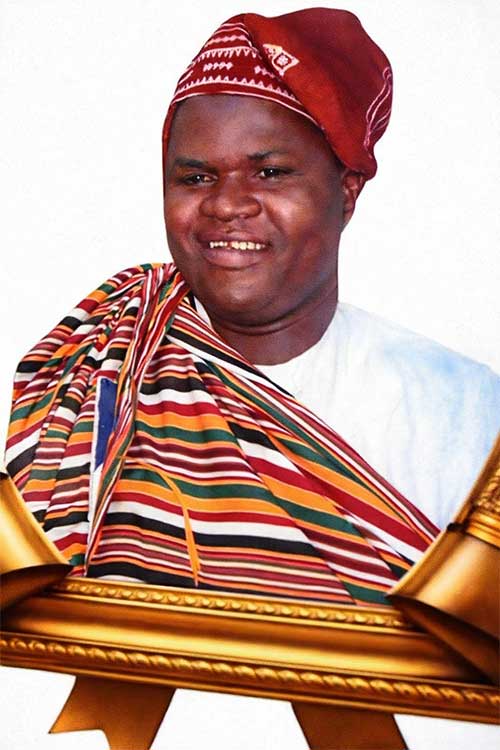
In 1975, after years of persuasion and prayerful reflection, Papa accepted the Prince Batubo Chieftaincy Title, becoming Chief Abraham Bagshaw Batubo, Chief of Prince Batubo House. His installation by Chief Fred Princewill Amachree VIII, Amayanabo of Kalabari, marked the beginning of a 35‑year reign defined by faith, peace, and progress.
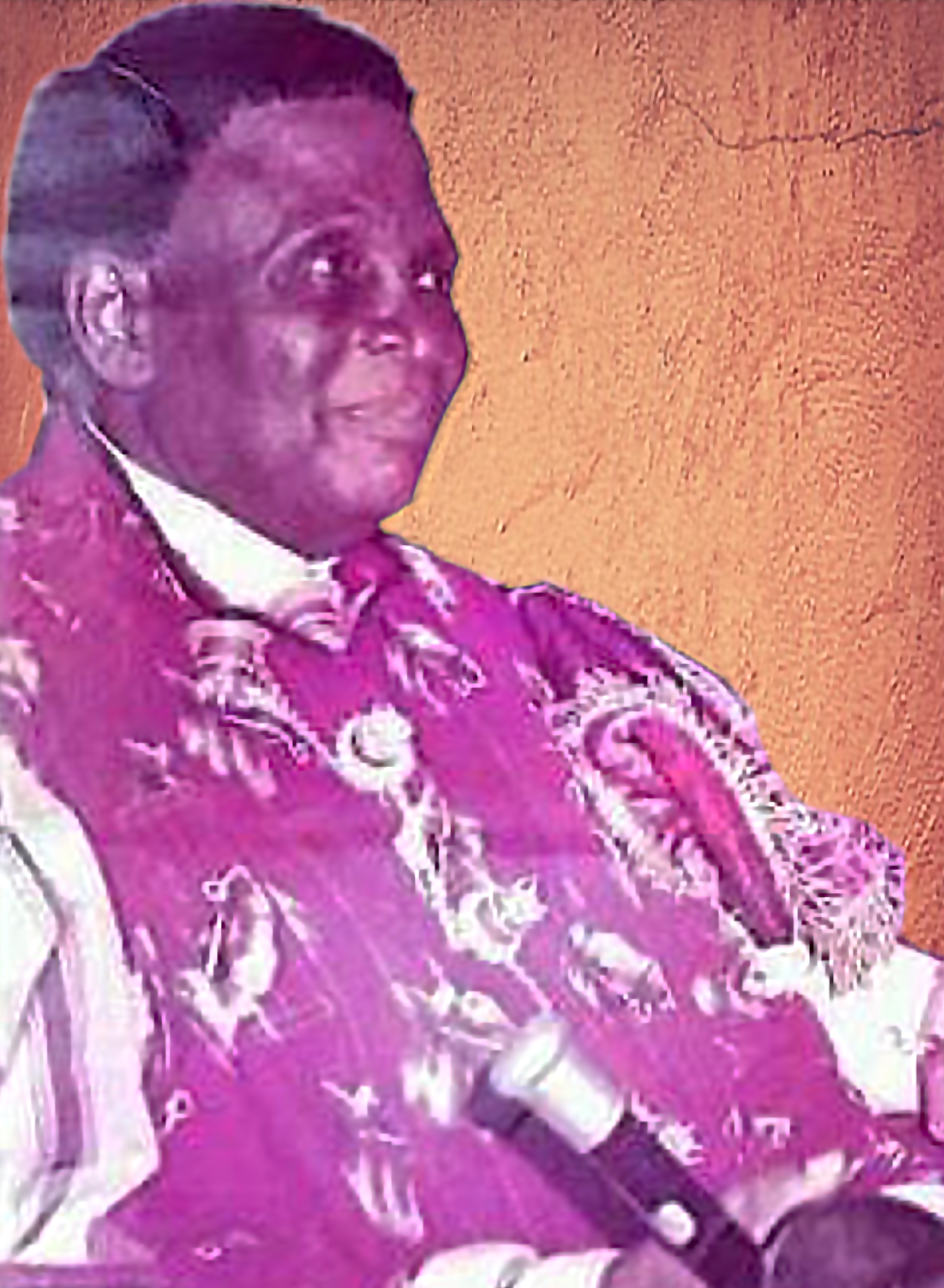
Under his leadership, Batubo House flourished—new buildings rose, unity deepened, and truth prevailed. His integrity earned him respect across Buguma and the Kalabari Council of Chiefs. From 1975 to 1977, he served as Regent of Kalabari Kingdom, guiding the people with wisdom and humility.
Faith and the Baptist Legacy
A lifelong Christian, Chief Batubo’s faith shaped his leadership. Descended from the founders of Baptist Church Buguma, he upheld their legacy by abolishing ancestral worship and replacing traditional rituals with prayer and fellowship.
His conviction was tested in 1975 when, as Regent, he refused to perform libations to the deity Akaso. His stand inspired other Christian chiefs to follow suit, marking a turning point in Kalabari spiritual history.
Within the Nigeria Baptist Convention, he served as Recording Secretary (1959), Vice President (1976–1978), and long‑term Executive Member. His unwavering devotion made him a pillar of the Baptist faith in Nigeria.
Family and Personal Life
On December 25, 1940, he married Deaconess Evangeline Daerebo Batubo (“Abaa”), daughter of Jim George Amachree and Leah Jim George Amachree. Their union produced one son, Chief Dr. Tonye Bagshaw Batubo, and two daughters, Ibiso and Sokari Batubo. Their marriage, celebrated for its harmony and faith, reached its Golden Jubilee in 1990.
During the Nigerian Civil War, his life was spared through divine providence when a former student—now a Biafran officer—recognized him and intervened, declaring, “This is my father.”
Final Years and Legacy
Chief Abraham Bagshaw Batubo lived a life of humility, faith, and fulfillment. When asked near the end if he feared death, he replied calmly, “No, Christ is with me.” He passed peacefully five minutes into September 25, 1999, at 95 years old.
His legacy transcends time—an educator who built minds, a leader who built communities, and a believer who built faith. His life reminds us that “the greatest legacy one can pass on to one’s children and grandchildren is not money or material things, but character and faith.”
Chief Abraham Bagshaw Batubo remains celebrated as one of the finest principals the Niger Delta ever produced—a modest gentleman, a visionary educator, and a steadfast servant of God.


1 thought on “Abraham Bagshaw Batubo (1904–1999)”