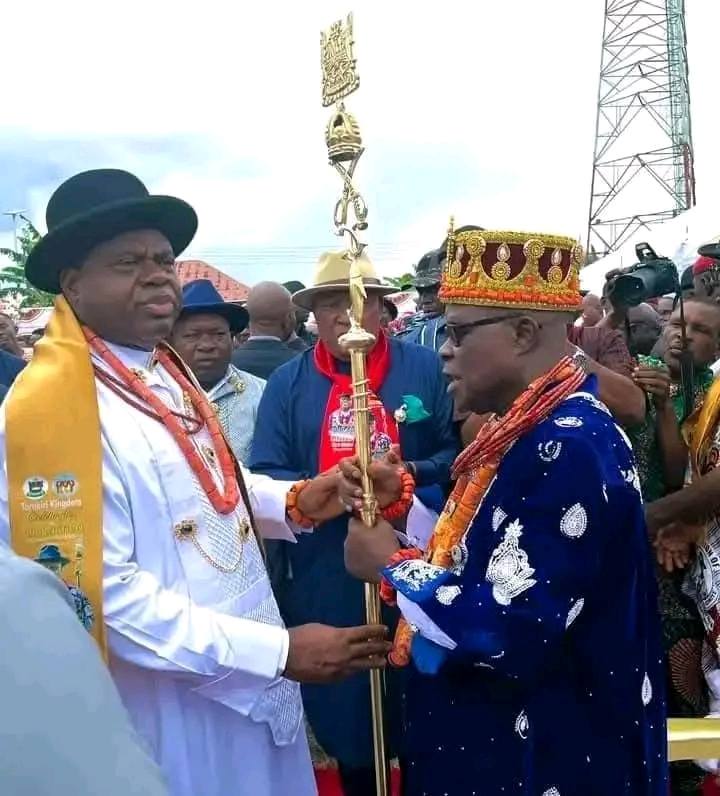
The royal leadership of the Tarakiri people represents a continuous tradition of cultural authority and communal stewardship across the Niger Delta. Centered historically in communities such as Toru-Orua, the institution of the Pere of Tarakiri emerged as a unifying symbol for the clan and remains a vital pillar of identity among Tarakiri communities spread across Bayelsa State and Delta State.
Below is a comprehensive historical timeline of Tarakiri monarchs and traditional rulers from 1911 to the present.
Pere of Tarakiri
(Sagbama and Ekeremor Local Government Areas)
1911 – 1919
King Kpadia Mein
Community: Toru-Orua
Role: First Pere of Tarakiri
Significance: Established the sacred stool of the Pere, combining political authority with spiritual leadership over the Tarakiri clan.
1937 – 1957
King Koroye Kpadia II
Community: Toru-Orua
Significance: Restored royal leadership following a prolonged interregnum and strengthened the traditional governance system of the kingdom.

1963 – 1976
King Odogu Kpadia III
Community: Toru-Orua
Significance: Oversaw the kingdom during major political transitions in Nigeria and helped consolidate the modern Tarakiri chieftaincy structure.
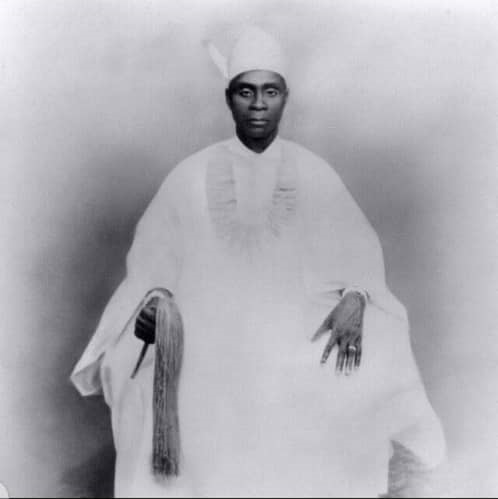
1979 – 1981
King Julius Waridoubo Hobobo
Community: Agbere
Significance: His reign followed a contested succession period and was officially recognized by government authorities.
1981 – 1999
King Sampson Koroye Kpadia IV
Community: Toru-Orua
Significance: Led the Tarakiri Kingdom through nearly two decades of leadership and maintained unity among dispersed communities.
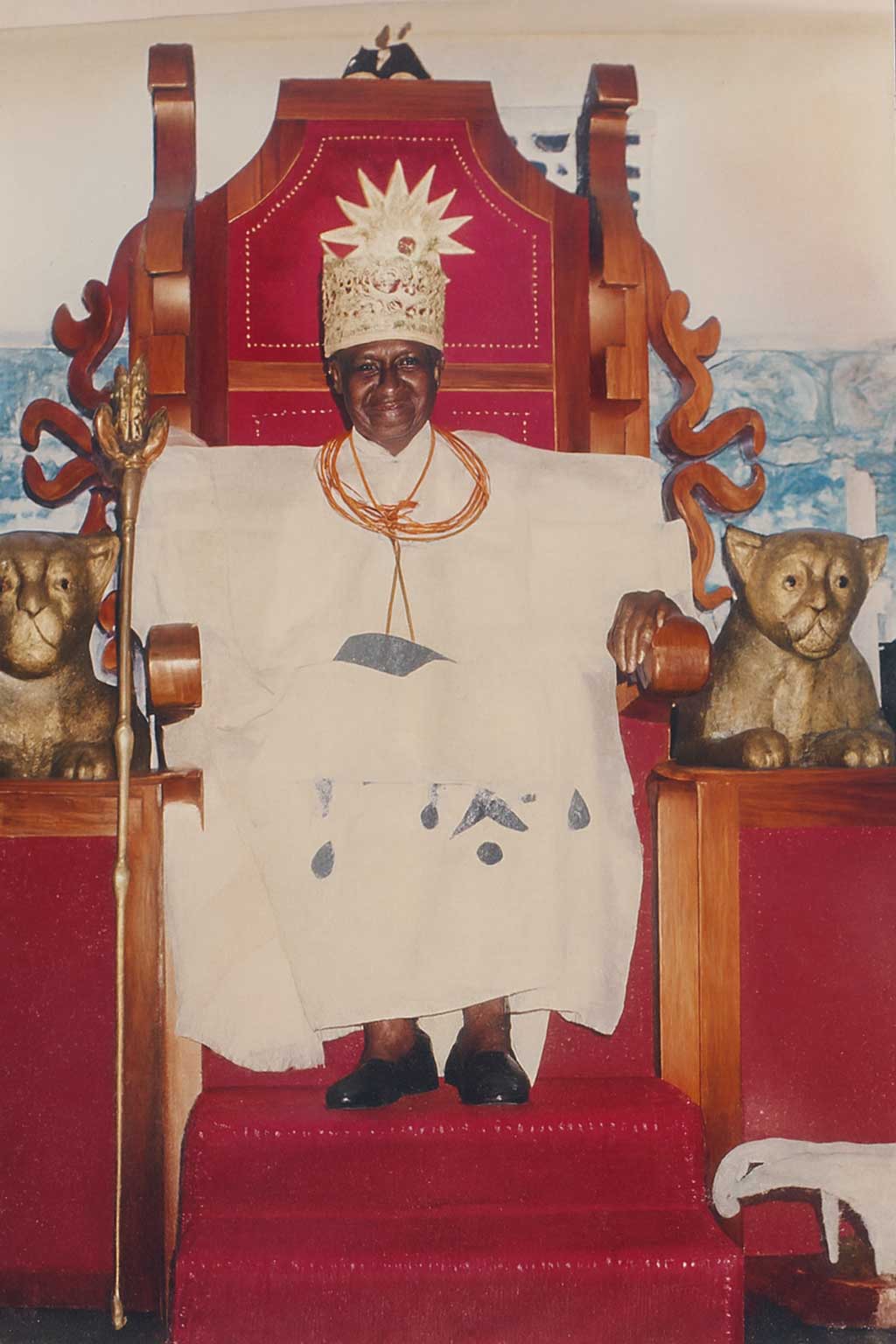
2000 – 2012
King (Dr.) Harris Selenanabo Eseimokumoh
Community: Ebedebiri
Significance: The first Pere elected under a fully democratic selection process among Tarakiri kingmakers.
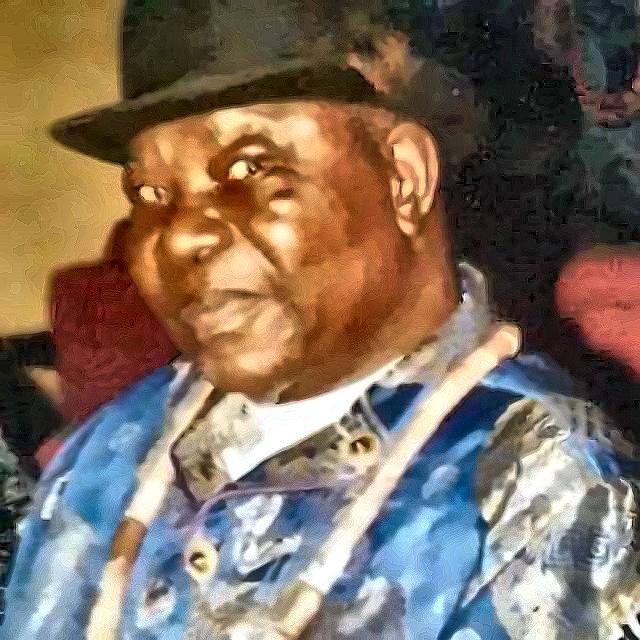
2012 – 2022
King (Engr.) Richardford Orukarebai Koroye
Community: Toru-Orua
Significance: Continued modernization of the kingdom’s leadership and strengthened cultural identity across Tarakiri settlements.
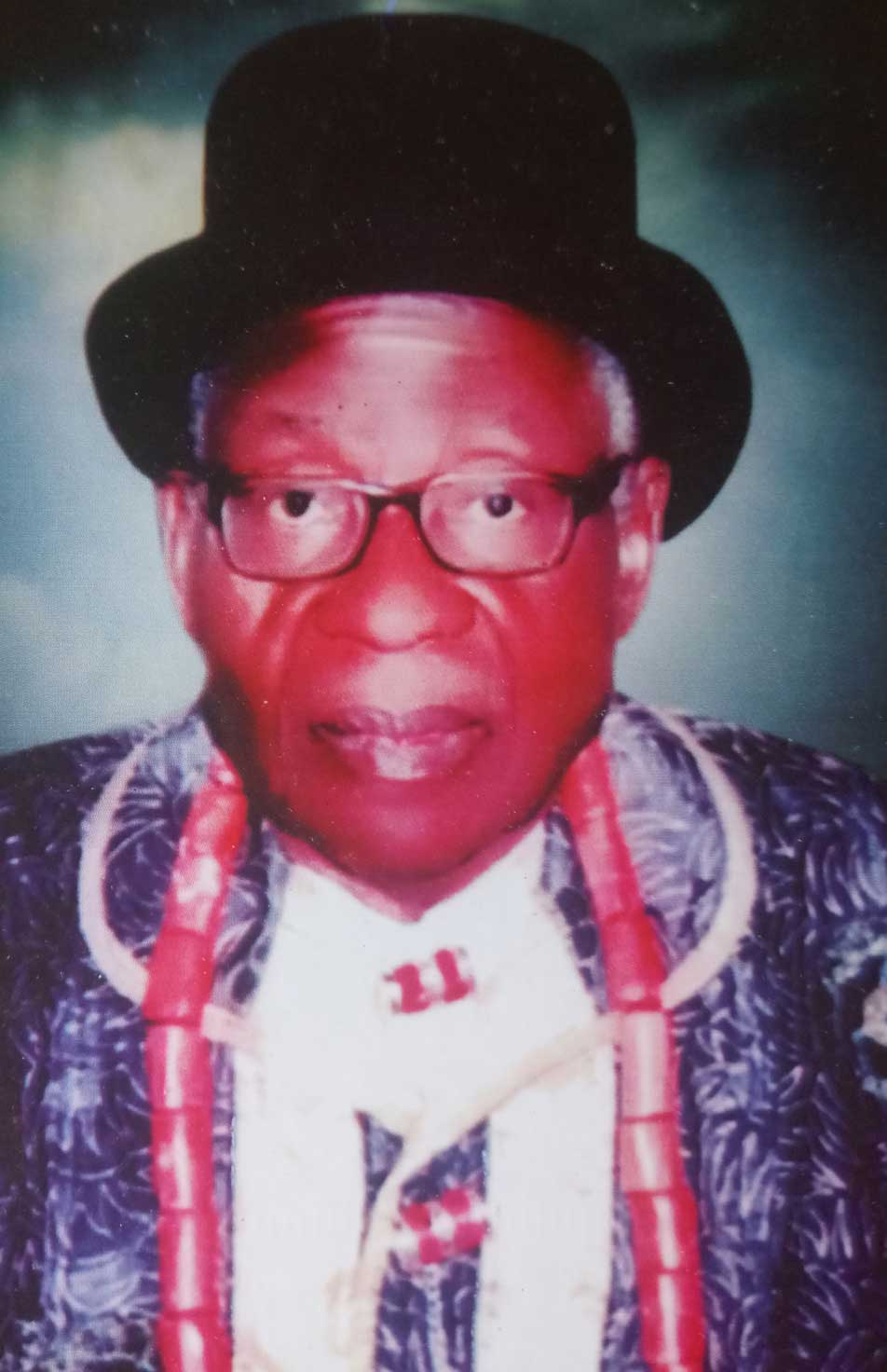
2023 – Present
King Seiyifa Koroye
Community: Toru-Orua
Coronation: 9 September 2023
Significance: Represents the newest chapter in Tarakiri leadership, symbolizing continuity and renewed cultural unity for the kingdom.
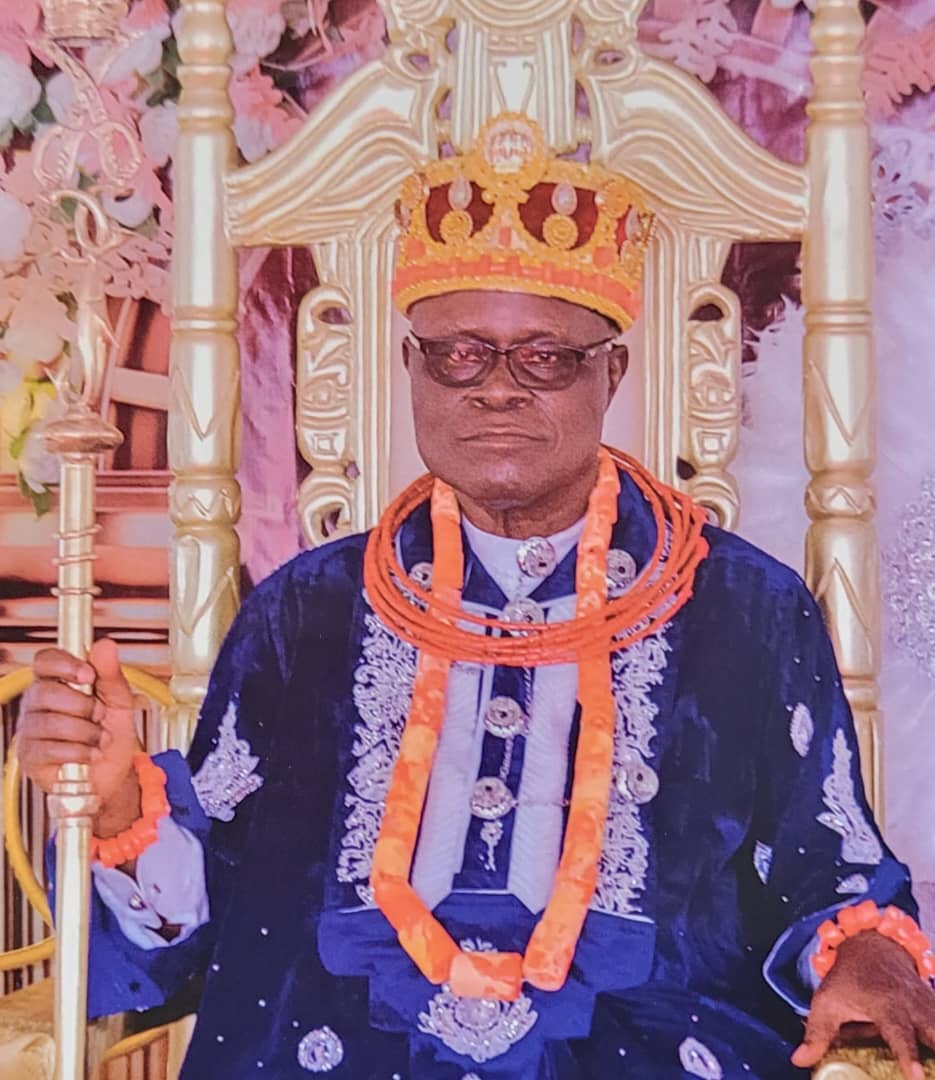
Tarakiri Kings
(Southern Ijaw Local Government Area)
Several Tarakiri communities within Southern Ijaw maintain traditional monarchies known as Asene.
1962 – 1969
King George Deinkoru (Asene I)
Community: Igeibiri
1969 – 1975
King E. B. Opulo (Asene II)
Community: Oweikorogha
1975 – 1981
King A. A. Taribi (Asene III)
Community: Oweikorogha
1981 – 1999
King Silas Dodo (Asene IV)
Community: Obololi
Note: Though his paternal roots were in Anyama, he identified with his maternal community of Obololi.
2004 – 2019
King G. A. Week (Asene V)
Community: Ibenanaowei, Anyama
2021 – Present
King Oliolio Rufus Ibo (Asene VI)
Community: Ibenanaowei, Ozezebiri
Tarakiri Kings
(Patani Local Government Area, Delta State)
Tarakiri traditional leadership also extends into communities within Patani.
1997 – 2003
High Chief Roland Hitler Agboro (Ebedaowei)
Community: Odorubu
2006 – 2020
High Chief Akpolaotu Churchill Owoupele (Ebedaowei)
Community: Adobu
2021 – Present
King Dr. Danladi Foubiri Owoupele (Angulu I)
Community: Ebenanaowei, Adobu
Historical Significance of the Tarakiri Royal Lineage
The Tarakiri monarchy reflects more than a succession of rulers; it embodies the resilience and cultural continuity of a people whose communities span multiple regions of the Niger Delta. Despite historical displacement, political reforms, and evolving governance systems, the institution of the Pere of Tarakiri remains a central symbol of unity, tradition, and spiritual authority.
From King Kpadia Mein in 1911 to the present reign of King Seiyifa Koroye, the Tarakiri royal lineage represents over a century of leadership dedicated to preserving cultural heritage, maintaining peace among communities, and guiding the Tarakiri people toward a shared future.
Powered by:
INC Tarakiri Clan