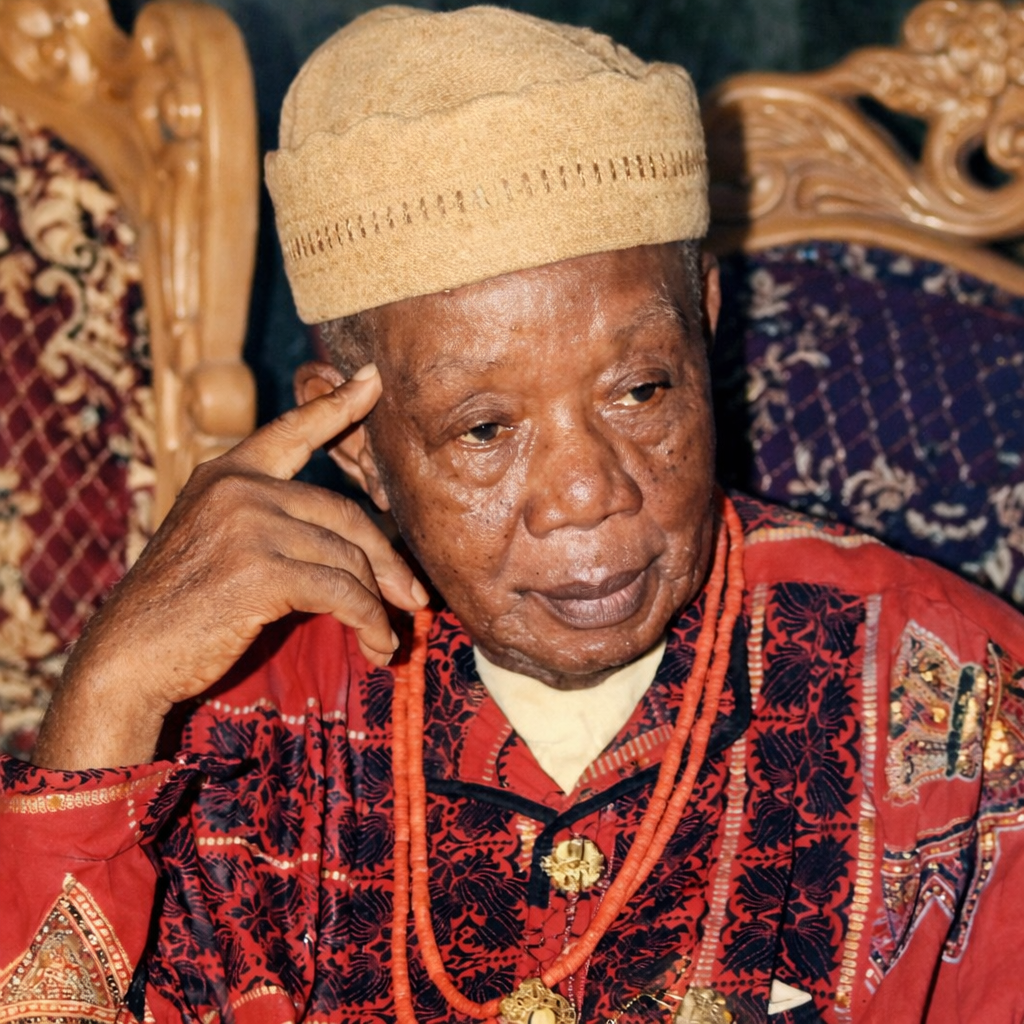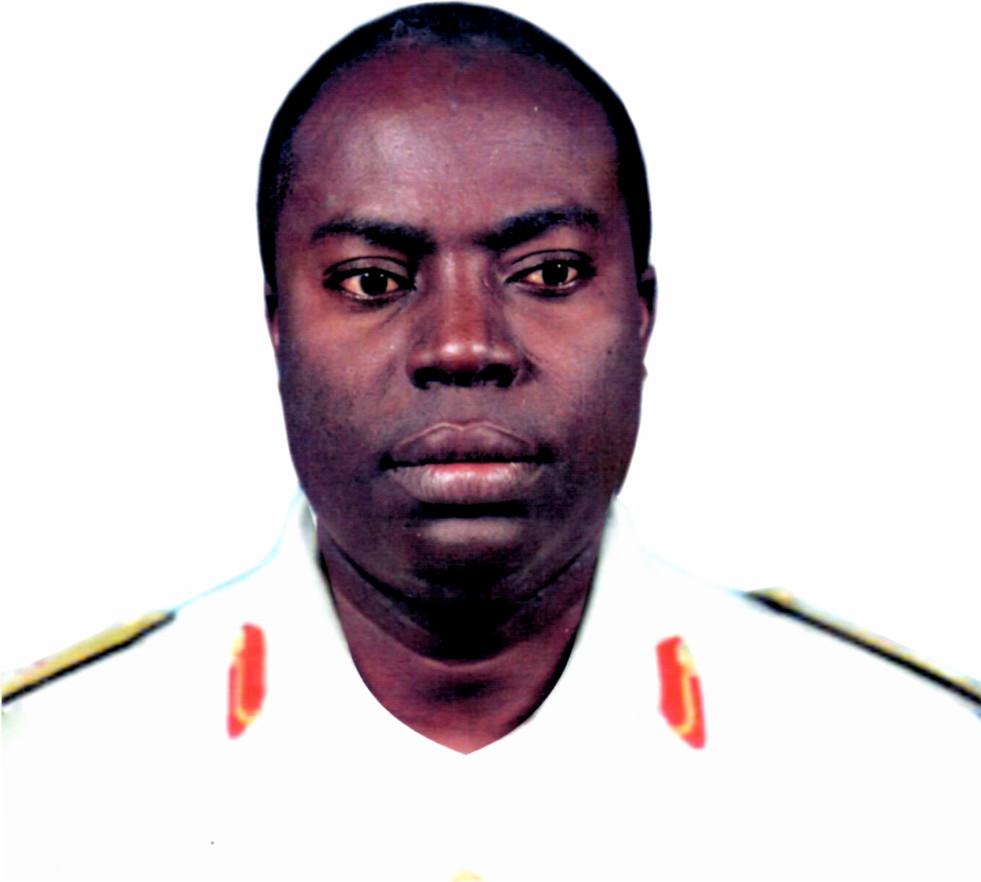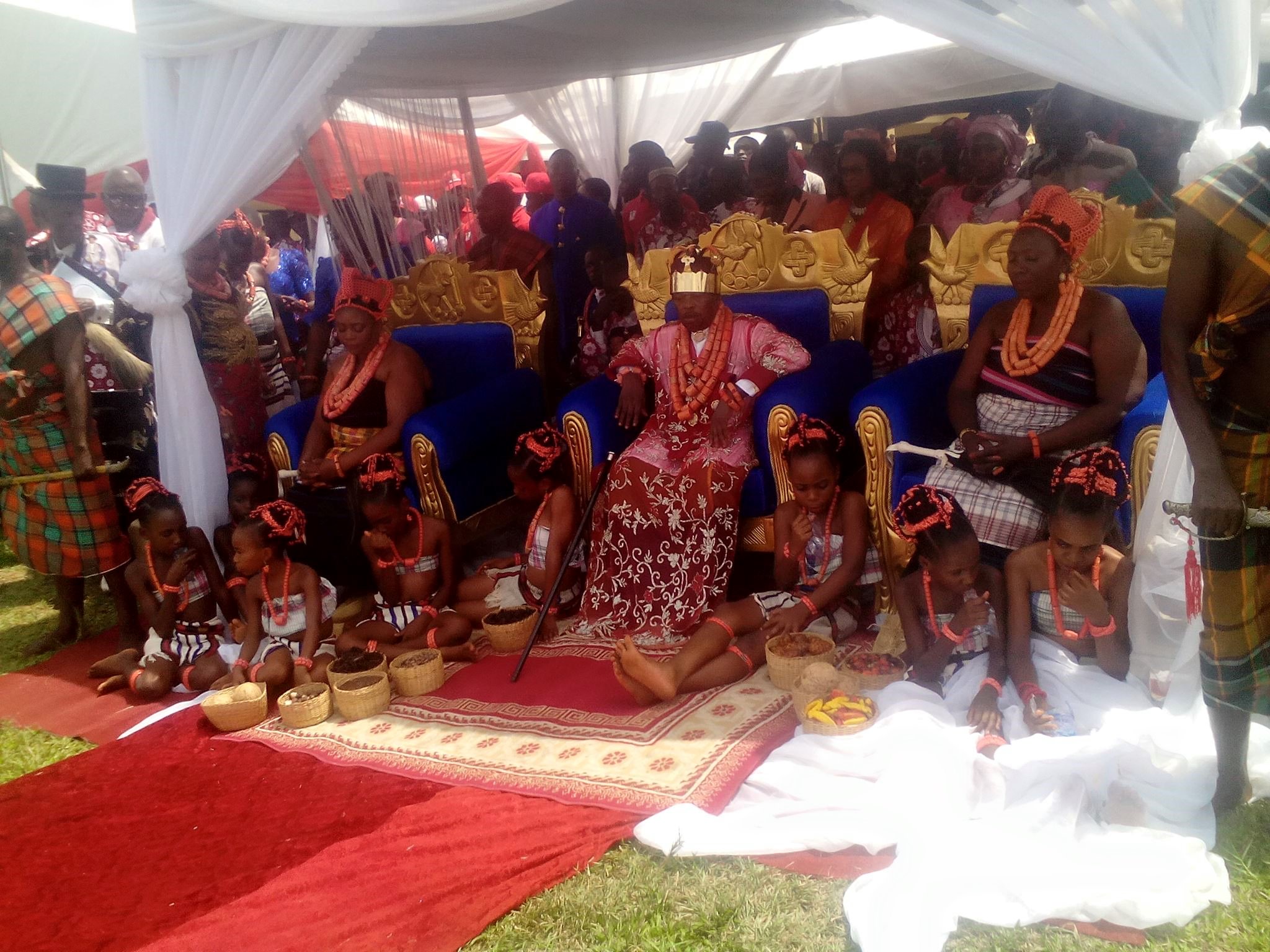
The Ogbia people constitute a distinctive ethnic nationality within the Niger Delta and Nigeria at large. By virtue of geography and historical circumstance, Ogbia land and its people have played a decisive role in Nigeria’s socio-political evolution. From pioneering oil and gas exploration in 1956, to producing the first Executive Governor of old Rivers State and later a President of the Federal Republic of Nigeria, Ogbia’s imprint on national history is indelible. Yet, historically, the Ogbia stool was not conceived as a monarchy.
The institution of the Obanobhan Ogbia emerged only in the second half of the twentieth century. Prior to 1940, centralized traditional governance had not taken firm root in Ogbia. Instead, the people operated a system of democratic village republics. While this structure fostered communal autonomy, it limited the ability of Ogbia to harness the political advantages of larger state systems.
A turning point came in 1940 with the formation of the Ogbia Brotherhood, spearheaded by Reverend George Amangala. Subsequent constitutional developments in 1951 and 1954, which recognized and made provisions for a House of Chiefs in Eastern Nigeria, accelerated the evolution of traditional institutions. Paramount rulers—about eight in number—were appointed first-class chiefs and became members of the Eastern Nigeria House of Chiefs, the second chamber of the bicameral legislative system in the former Eastern Region.
1. King (Rev.) George I. Amangala
His Royal Majesty George Amangala hailed from Olobiri community of the Olei group in Ogbia Kingdom. A foremost priest of Ogbia extraction trained under the Anglican Communion in Eastern Nigeria, he served with distinction from the late 1930s across several Niger Delta communities, including the Kaiama deaconry.
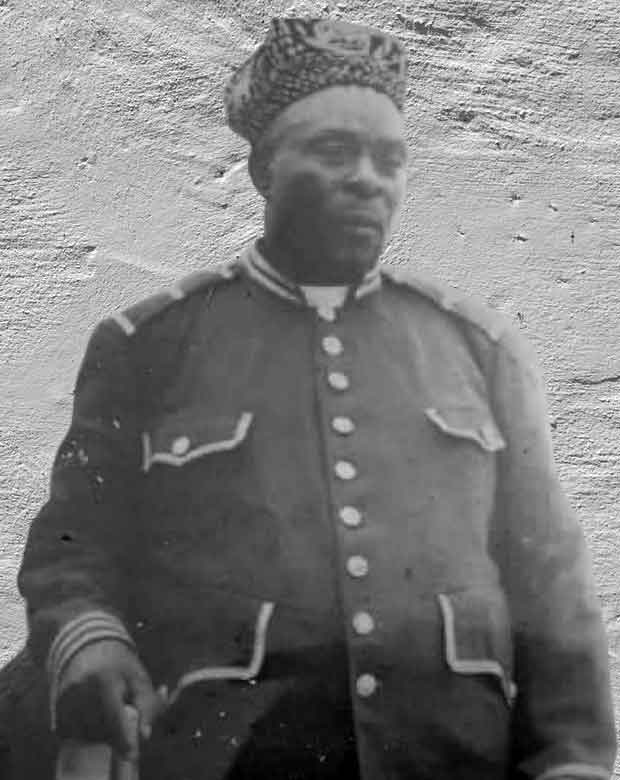
A man of refinement and deep conviction, Rev. Amangala championed education among the Ogbia people. He was also father to the revolutionary late Captain Amangala, who fought alongside Major Isaac Adaka Boro in the struggle for the liberation of the Niger Delta before and during the Nigeria-Biafra War.
Before the emergence of a unified Ogbia kingship, eight recognized kings sat in the Eastern Region House of Chiefs: the Obi of Onitsha, Obi of Oguta, Eze of Aso, Amayanabo of Kalabari, Amayanabo of Nembe, Amayanabo of Bonny, Amayanabo of Opobo, and Obong of Calabar.
Inspired by this development, the Ogbia people—comprising the clans of Anyama, Emayal, and Oloi under the umbrella of the Ogbia Brotherhood—appointed Rev. G. I. Amangala as the First Obanobhan Ogbia (Owner of the Kingdom), seeking representation at the regional level. At the time, however, the Obanobhan stool lacked formal recognition by the colonial government.
Rev. G. I. Amangala was invested with the insignia of office on March 31, 1958. Sadly, he passed away on January 29, 1960, barely two years later, unable to realize his aspiration of representing Ogbia in the Eastern Region House of Chiefs. The stool remained vacant for two years thereafter.
2. King Bennett A. Isiki
His Royal Majesty Bennett A. Isiki of Otuasega community in the Emeyal group succeeded to the throne as Obanobhan Ogbia II. A retired police officer, he was resolute in defending Ogbia interests within old Rivers State—steadfast in friendship and formidable in opposition where the kingdom’s welfare was concerned.
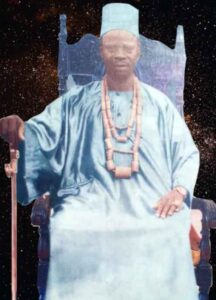
Installed at Otuoke community, his coronation took place on May 18, 1962. A defining moment during his reign occurred in 1978 when the Rivers State Government constituted a Chieftaincy Review and Classification Committee under Professor Tekena Tamuno. The White Paper issued on May 25, 1979 accorded first-class status to the Obanobhan Ogbia stool.
From 1979 until his death in 1991, HRM Isiki enjoyed the privileges of first-class kingship. He reigned for 30 years and passed on October 1, 1991.
3. HRM Emmanuel Joel Igoniwari (Obanobhan-Elect)
Following HRM Isiki’s demise, the rotational principle ceded the stool to the Anyama Clan. HRH Paul I. Nathan, Obanomar of Anyama Clan and a retired school teacher and principal, served as regent pending the installation of a substantive Obanobhan.
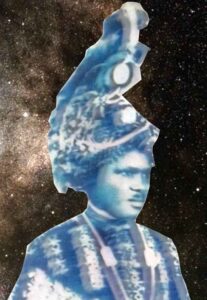
An election conducted by Anyama Clan presented three candidates to the Ogbia Brotherhood: HRH Awell Eruani (Emadike), Chief Balafa Ase (Otuegwe), and Chief J. P. Igoniwari.
In search of a credible candidate, the clan ultimately settled on Hon. Justice Emmanuel Joel Igoniwari, then a High Court Judge of old Rivers State. His selection over his elder brother, Chief E. J. P. Igoniwari, polarized the Brotherhood and led to litigation. Hon. Justice Emmanuel Joel Igoniwari prevailed.
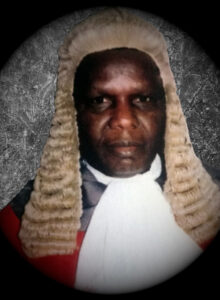
The creation of Ogbia Local Government Area in 1991 altered the demographic structure, incorporating the Iduma people of Abureni clan and expanding the clans to four: Oloibiri, Anyama, Emeyal, and Abureni.
After the regent HRH Paul I. Nathan’s death in 2003, the regency ended. Justice Igoniwari, however, deferred coronation pending his retirement as Chief Judge of Bayelsa State. HRM G. A. Lawson of Emeyal Clan was appointed to serve in an acting capacity.
During this period, a Bayelsa State Government committee under Dr. Gabriel Okara derecognized the Obanobhan Ogbia stool. The Ogbia people challenged the White Paper in court and secured a favorable judgment.
Amendments to the Obanobhan Ogbia Constitution in 2008 and 2011 refined the election and installation procedures while maintaining the rotational principle among the four clans. The passing of Hon. Justice Emmanuel Joel Igoniwari without formal coronation saddened the entire Ogbia nation. The rotational sequence then shifted to Oloi Clan.
4. HRM Dumaro Charles Owaba
From Oloi Clan, three candidates emerged: HRH Dumaro Charles Owaba, Mr. Aresuo Iruo, and Chief Alfred Egesi Eto-Okoin. Owing to disputes and court cases, the electoral process was delayed until September 2016.
The election was eventually conducted under an electoral committee chaired by Dr. Agih of Otuabula II (now Professor at Niger Delta University), during the tenure of Chief Benson Agadaga in the National Executive Council of the Ogbia Brotherhood.
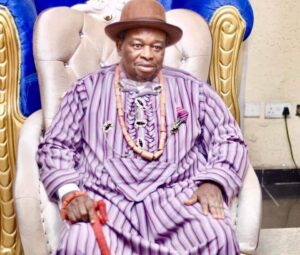
Following the voluntary withdrawal of the other candidates, HRH Dumaro Charles Owaba was elected unanimously. The process, witnessed by observers from the Bayelsa State Council of Traditional Rulers, was peaceful, free, fair, and devoid of rancor.
His coronation took place on March 25, 2017, as Obanobhan Ogbia III, marking the culmination of a 25-year journey.
“One For Each, and Each For All.”