A Titan of Owigiri and Ijaw Culture
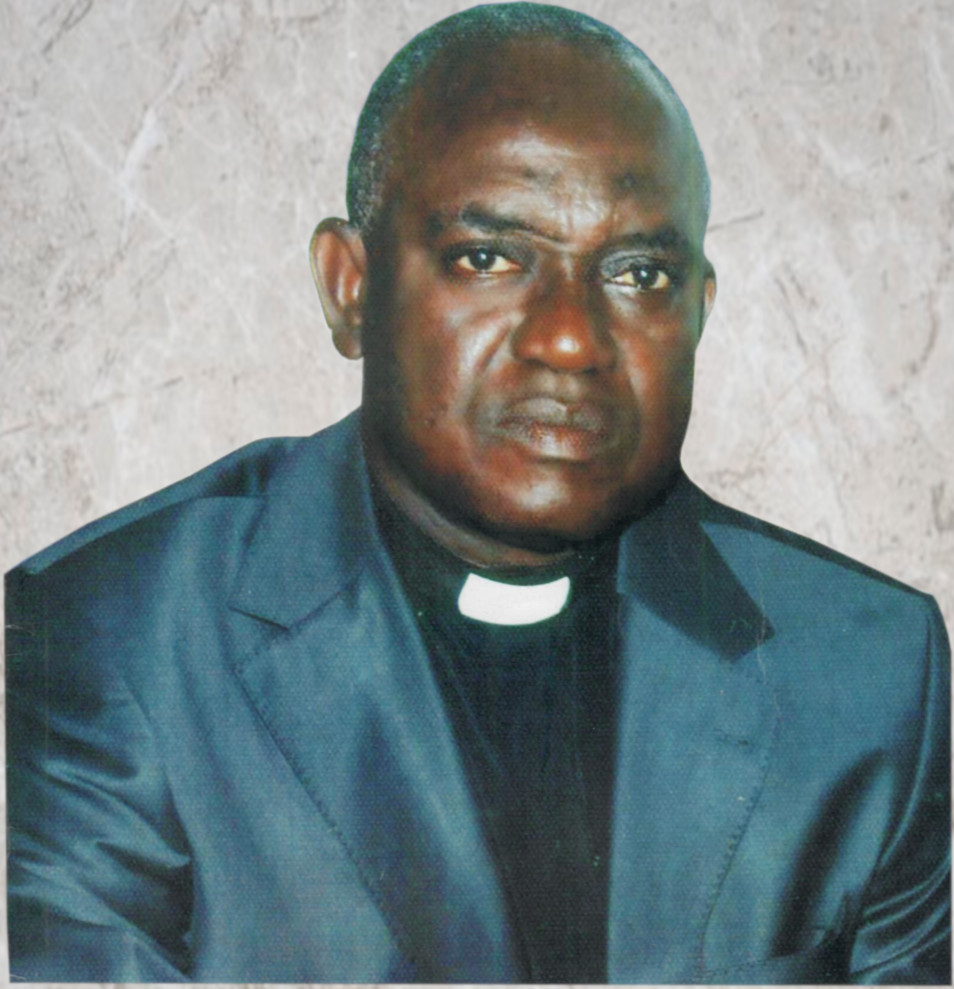
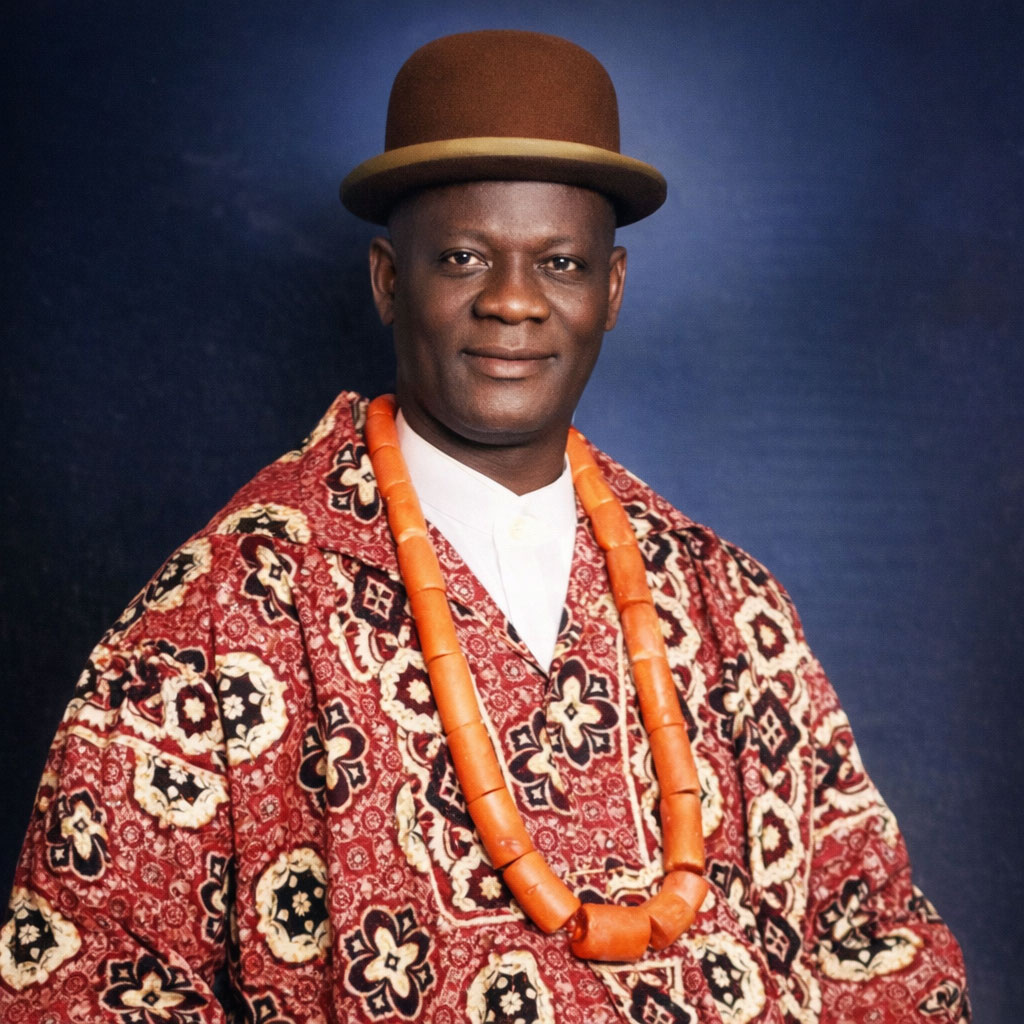
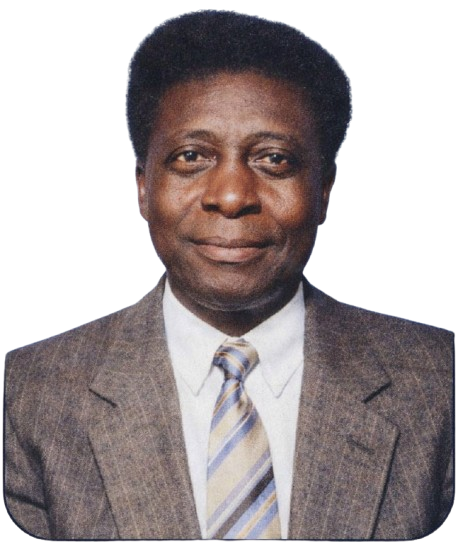
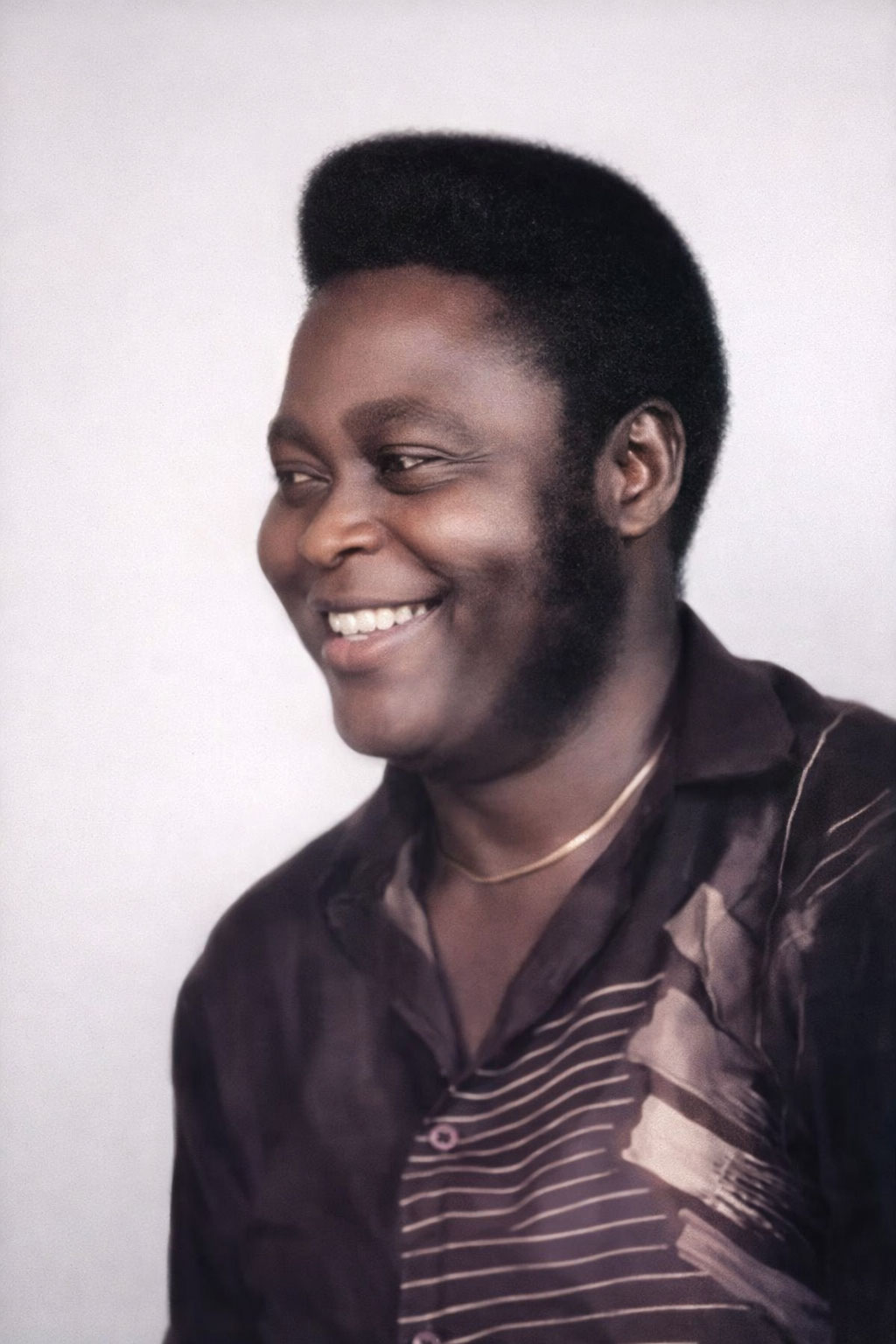
King Dr. Robert Ebizimor stands as one of the most influential figures in Ijaw music and cultural history. Born on September 25, 1943, into the distinguished Ebizimor and Adamagu families of Angalabiri (Bayelsa State) and Ojobo (Delta State), his life was a remarkable testament to resilience, innovation, and cultural devotion.
Early Life and Formative Years
Robert Ebizimor’s early years were marked by profound hardship. Orphaned in childhood, he survived through palm wine tapping, fishing, and lumbering—labor-intensive work that strengthened his character and forged the resilience that would later define his musical journey.
Despite these challenges, he remained committed to education. He attended Local Authority Primary School in Angalabiri, proceeded to Secondary Modern School in Patani, and later enrolled at the College of Arts and Science, Rumola, Port Harcourt. These formative experiences shaped both his intellectual depth and cultural consciousness.
From Village Celebrations to National Fame
In the 1960s, Robert—soon widely known simply as Ebizimor—began performing at local ceremonies and community gatherings. A gifted multi-instrumentalist, he mastered the xylophone, drums, keyboard, and guitar. Inspired by musical greats such as Isondu Isoukiri, Prof. Isaac Koroware Belemo, and Rex Jim Lawson, he refined his craft within the joyous and solemn rhythms of community life.
By the early 1970s, his band, Robert Ebizimor & Izon Brothers Dance Band, had stepped onto the national stage. Their 1973 breakthrough hit, “Afalua,” announced a powerful new voice in Nigerian highlife. Over the course of his career, Ebizimor released more than 250 albums and composed approximately 500 original songs—an extraordinary body of work that cemented his legacy.
The Owigiri Revolution
Ebizimor was not merely a performer; he was a musical architect. He pioneered and refined Owigiri, fusing highlife, juju, Afrobeat, reggae, and traditional Ijaw rhythms into a distinct and culturally rooted genre.
Singing primarily in Izon, with touches of Pidgin and English, his music became a vehicle for love, destiny, political self-determination, and social justice. Owigiri was more than entertainment—it was cultural affirmation and social commentary. Through it, Ebizimor championed Ijaw pride and called attention to societal inequities.
Mentor and Cultural Philosopher
As leader and lead vocalist of a twelve-member ensemble, Ebizimor mentored a generation of musicians who carried Owigiri forward. His outfit produced notable Owigiri artists including:
Bestman Doupere, S. Eseiduo, King Pere Freetown, Anthony Cockson, Agheotu Teiyebo, Abraham Young, Melenge, Azene Micah, Enuye Egholi, Shadrach Osuwa, Fred Izinebi, Odi Phne, Michael Marcus, Eniekunumu Fred, Barrister Smooth, Princess Diana, Shop Atei, and Johnson Mirin.
Beyond music, Ebizimor articulated a philosophy of life through guiding principles he termed:
- Bibobraism — “Destiny through work”
- Nanaowei-Oborism — “Humans are subject to divine will”
His songs often functioned as social manifestos, advocating justice, equity, and the renaissance of Ijaw identity.
Honors, Titles, and Public Service
Recognized both culturally and institutionally, he was honored with the titles Doctor and Chief. His chieftaincy titles included:
- Num Pere I of Izon
- Beniafa Timi Eyi dou Eriowei I
- Egberi Gbapamo Owei I
He received accolades such as “Foremost Izon Musician” from the Ijaw Cultural Association and “Numa Kpeti of Izon Ibe” from MOSIEND Youth Organization.
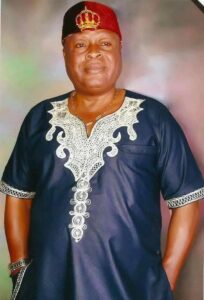
In 1981, Governor Melford Okilo appointed him to the Rivers State Utilities Board and Electricity & Water Commission. Later, under Governor Seriake Dickson, he served as Senior Special Assistant on Culture and Ijaw National Affairs. He also chaired the Bayelsa chapter of the Performing Musicians Employers’ Association of Nigeria (PMAN).
Oru-Polo Nightclub: Where Owigiri Took Flight
One of his most celebrated performance venues was the legendary Oru-Polo Nightclub along Harold Wilson Drive in Port Harcourt, Rivers State. Weekend performances there became cultural phenomena. Alongside fellow luminaries, Ebizimor electrified audiences with vibrant Owigiri rhythms that kept the city dancing into the early hours.
These nights not only entertained—they propelled Ijaw music beyond regional boundaries and introduced global audiences to its vitality. Offstage, Robert lived according to the traditions he celebrated in song, embracing polygamy and nurturing a large extended family that became part of his royal and artistic legacy.
Final Journey and Everlasting Legacy
On July 31, 2014, King Dr. Robert Ebizimor’s life was tragically cut short in a car accident along the Effurun–Warri highway.
In recognition of his immense contributions, the Bayelsa State Government accorded him a state funeral on November 7, 2014, and declared July 31 each year as Ijaw Musical and Cultural Day.
Today, his fusion of musical innovation, philosophical depth, and cultural advocacy secures his place among Nigeria’s revered folk legends—alongside Rex Jim Lawson, Fela Kuti, and Mamman Shata. His rhythms and messages continue to inspire new generations.
Select Discography
Cornerstone Hits
- Afalua
- Papa Money No Be Your Own
- Bibobara
Additional Notable Tracks
- Helen
- Path Finder
- Na Who Be First Lady
- Late Ebakpa
- Special
- Soke Beni Oru
- Keinde Special
- Duke and Tony Special
- Nana Ogbo of Warri Corner
- King Robert Izon Keme
- Amafini Ogbo of Angalabiri
- Amassoma Ebiereu Ogbo
- Destiny
- Sighaye
- Se Teme
- Ofoni Ama Puke
- Bide Olotu
- Late Friday Afeni Yea
- Expo 2000
- Ebiri
- Selefabo Binafa
- Atu Ka Atu
Each composition reflects the intricate weave of Ijaw tradition, social commentary, and melodic innovation that defines the enduring legacy of Owigiri and its foremost architect, King Dr. Robert Ebizimor.