Physician | Consultant Surgeon | Monarch | Statesman
Early Life and Background
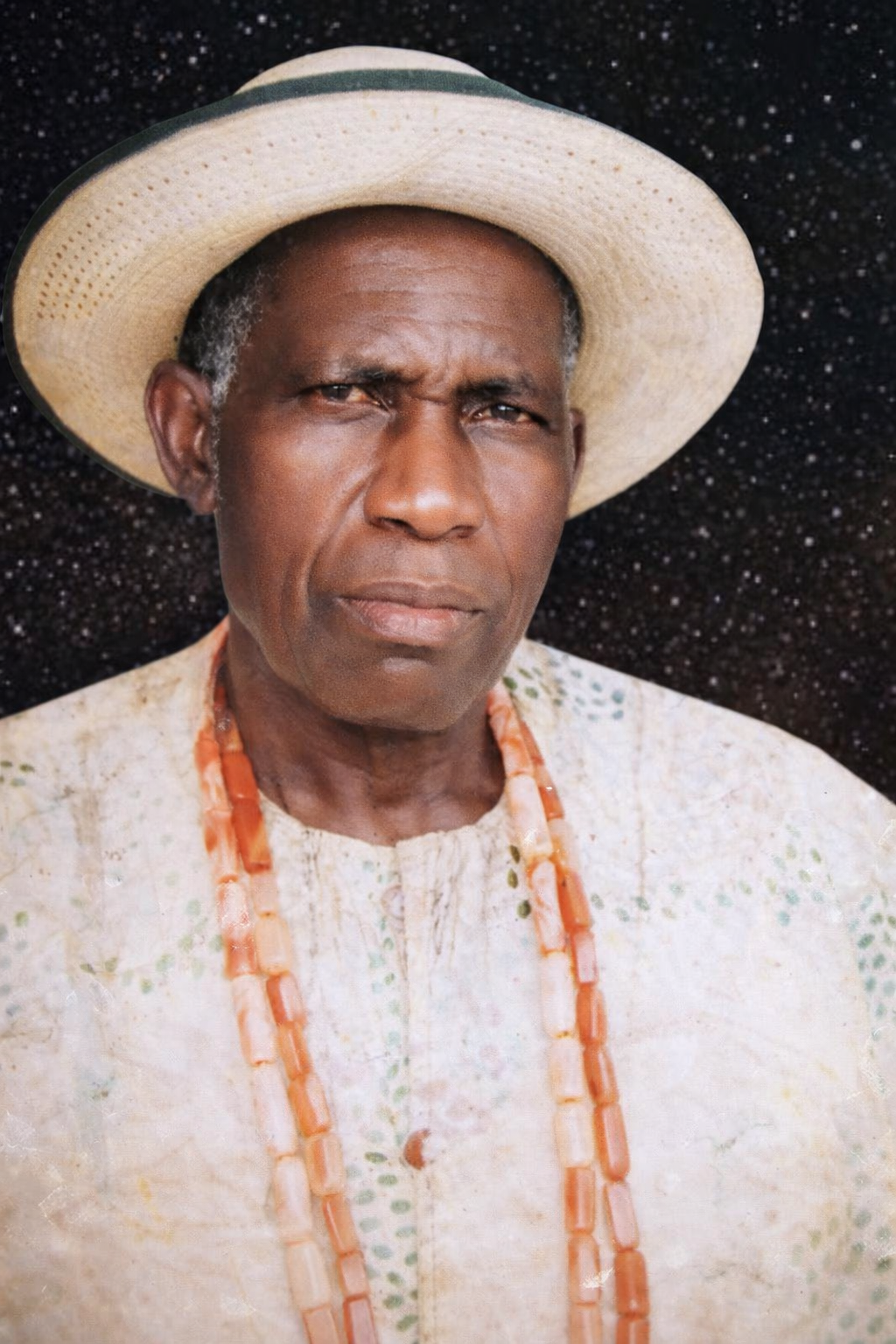
His Royal Majesty, King Harris Sellenanabo Eseimokumoh, MD, was born on March 5, 1930, in Ebedebiri Town, Sagbama Local Government Area of present-day Bayelsa State. He fondly referred to his hometown as Ebedoubiri, meaning “we are people who love good things,” a reflection of the community’s cultural pride and values.
He was born into the family of Owuku Eseimokumoh and Keniyinbo Owuopele Eseimokumoh, both of Tarakiri descent. From an early age, he demonstrated compassion and a strong sense of purpose, showing particular interest in caring for vulnerable individuals, including the elderly and newborns. These early traits would later shape his distinguished career in medicine.
Education and Academic Pursuits
King Eseimokumoh began his formal education at Native Administration School, Ebedebiri, where he studied from 1939 to 1949. With the support of his eldest sister, Yinlade, he proceeded to Government Teachers Training College, Abraka, graduating in 1955.
Driven by an unrelenting desire for knowledge and professional excellence, he later travelled to Germany to pursue higher education. Between 1961 and 1973, he studied at the University of Leipzig, University of Rostock, and University of Jena, where he obtained multiple qualifications, including advanced degrees in surgery and a Medical Doctorate (PhD).
His academic journey abroad not only equipped him with world-class medical expertise but also broadened his intellectual and professional outlook.
Early Career and Professional Development
Before venturing fully into medicine, King Eseimokumoh began his career as a teacher at Africa School, Apapa, Lagos, from 1955 to 1957. He subsequently worked as a clerk at the Federal Ministry of Commerce and Industries (1957–1959) and later at the Central Bank of Nigeria (1959–1961).
However, driven by a higher calling, he resigned from civil service to pursue medical studies abroad—an ambitious decision that would define his legacy.
Medical Career and Public Service
Upon his return to Nigeria in 1974, Dr. Eseimokumoh commenced his medical career as a Senior Registrar in the Surgery Department at the Rivers State Ministry of Health, Port Harcourt.
Through dedication and excellence, he rose steadily through the ranks, becoming:
- Consultant Surgeon
- Senior Consultant
- Chief Consultant Surgeon
He served as Director of Health Services in the Directorate of Health, Governor’s Office, Rivers State (1979–1983), where he contributed significantly to health policy and administration.
His final position in public service was as Chief Consultant in charge of Braithwaite Memorial Hospital, Port Harcourt, a major government-owned healthcare institution. He retired meritoriously in 1995 after decades of impactful service.
Professional Affiliations and Contributions
HRM King Dr. Eseimokumoh was widely respected within professional circles, both locally and internationally. His affiliations included:
- Nigerian Medical Association (NMA)
- German Association of Surgeons (East Germany)
In addition to clinical practice, he contributed to governance and development. He served as Chairman of the Industrial and Business Promotion Commission in old Rivers State (1980), where his leadership enhanced institutional performance.
He was also:
- A member of the Advisory Committee to the Governor of Bayelsa State
- Chairman, Board of Governors, Federal Medical Centre, Yenagoa
An accomplished scholar, he authored several medical publications and remained a lifelong intellectual.
Family Life
HRM King Dr. Eseimokumoh was a family man. He was married to three wives in Nigeria, with whom he had six children before travelling to Germany.
While abroad, he married the late Dr. (Mrs.) Waltraud Eseimokumoh (née Rosenberger), a distinguished physician. Their union was blessed with two children.
Traditional Leadership and Royal Reign
Following his retirement in 1995, he returned home to serve his people in a new capacity as a traditional ruler.
A visionary leader, he played a pivotal role in institutionalizing the Tarakiri Kingdom’s traditional governance structure. He championed legal efforts to gazette the royal stool, ensuring that the institution of kingship was formally recognized.
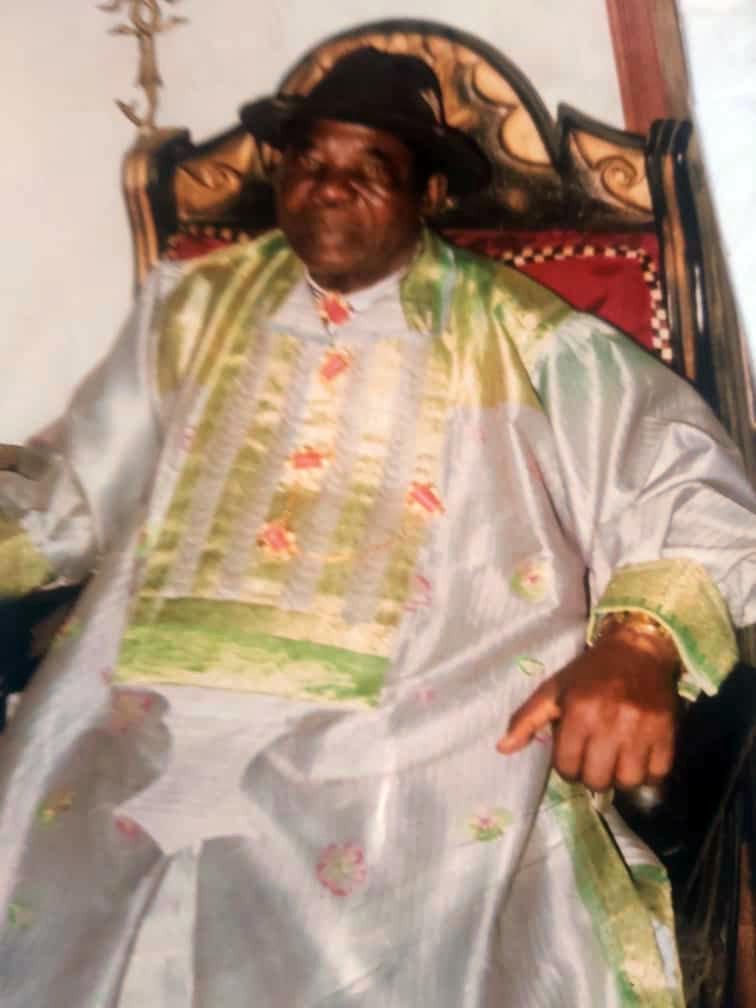
He served as:
- Chairman, Tarakiri Council of Chiefs
- Traditional Prime Minister of the Kingdom
In 2000, he was installed as the Pere of Tarakiri Kingdom (Tarakiriowei VI), emerging victorious in the Kingdom’s first constitutional election—a historic process he famously described as being decided by a “Golden Vote.”
He reigned for 12 years, during which his leadership brought stability, unity, and development to the Kingdom.
Personality and Legacy
HRM King Dr. Eseimokumoh was a rare blend of intellect, leadership, and humility. A technocrat turned monarch, he embodied wisdom, discipline, and compassion.
He was known for:
- Providing free medical care to many
- Mediating conflicts with fairness and wisdom
- His eloquence as a speaker and writer
- A deep knowledge of history and culture
He was also a skilled traditional wrestler in his youth and maintained a lifelong passion for reading and scholarship.
As a Justice of the Peace, he was widely regarded as a man of integrity and sound judgment.
Death
HRM King Harris Sellenanabo Eseimokumoh passed away on March 21, 2012, after a life of remarkable service to medicine, governance, and traditional leadership.
Legacy
His legacy endures in:
- The lives he saved as a physician
- The institutions he strengthened
- The unity he fostered in the Tarakiri Kingdom
- The example he set as a scholar, leader, and royal father
He remains a towering figure in the history of Bayelsa State and the Niger Delta.