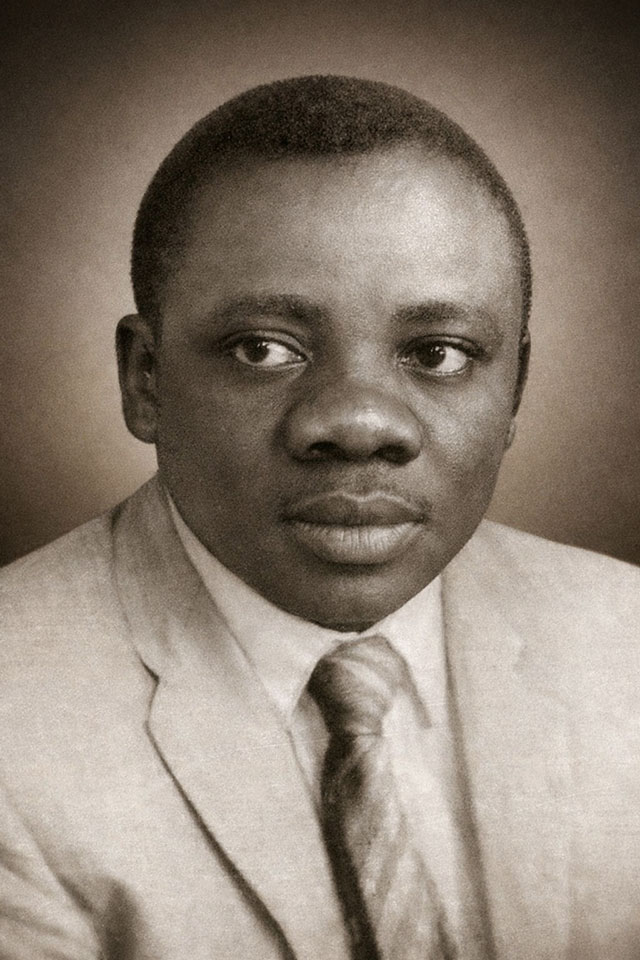
Academician | Administrator | Politician | Minority Rights Activist
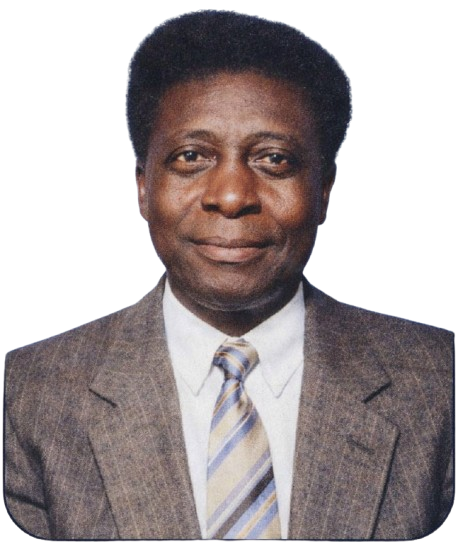
Chief Senator Dr. Obi Wali was a towering figure in Nigeria’s intellectual and political history. Celebrated for his eloquence, literary insight, and masterful command of the English language, he remains one of the most brilliant senators Nigeria has ever produced.
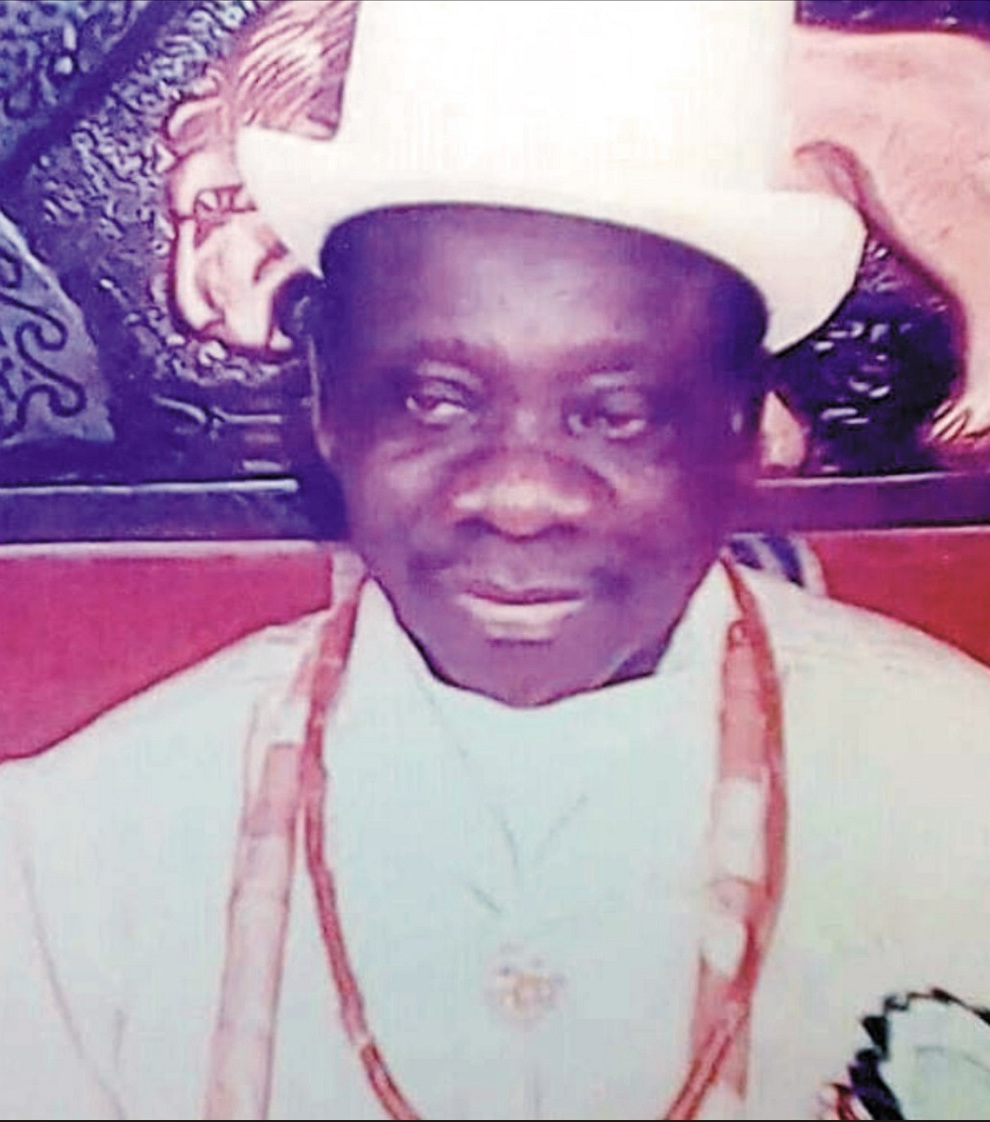
Origins and Education
Born on 27 February 1932 in Rumuigbo, Obio/Akpor LGA of Rivers State, Obi Wali was the son of Chief Frank Wali Otogbo and Mrs. Jane Wali, granddaughter of Chief Ezebunwo Amadi Nwondugba, a paramount ruler of Oroworukwo Rebisi.
He began his education at Holy Trinity Primary School, Rumuapara, where he excelled in English and Arithmetic under the mentorship of Mr. A.A. Ukweni. He earned his First School Leaving Certificate in 1939.
His secondary education spanned West African Peoples Institute, Calabar, and St. Augustine’s College, Nkwerre (1949–1952). He later graduated with a B.A. (Hons) in English Language and Literature from University College Ibadan in 1959.
In 1962, he won a scholarship to Northwestern University, Illinois, USA, earning a Master’s degree in 1963 and a PhD in 1967. His doctoral thesis, “Dead End of African Literature,” argued that African literature must be written in African languages — a bold stance that influenced generations of African writers.
Career and Public Service
Obi Wali’s career spanned academia, administration, and politics:
- Taught English at University of Ibadan and University of Nigeria, Nsukka
- Served as Commissioner under Lt. Cmdr. Diete Spiff in ministries of Education, Health, Economic Development, and Rehabilitation
- Appointed to the 1975 Constitution Drafting Committee and Constituent Assembly
- Chaired the Governing Council of Rivers State College of Science and Technology (now Rivers State University)
- Elected Councilor for Ward 26 (Rumuigbo, Rumuepirikom, Rumuorosi)
- Chaired the Nigeria National Shrimp Company, Delta State
- Founding member and Deputy National Chairman of the Nigerian People’s Party (NPP)
- Elected Senator for Port Harcourt District in 1979, serving on key committees: Appropriation and Finance, Petroleum and Energy, House and Administration
Social Impact and Cultural Advocacy
A grassroots mobilizer and cultural advocate, Obi Wali was deeply involved in Ikwerre affairs:
- Founding member and President-General of Ogbakor Ikwerre (1973–1976)
- Championed the Ikwerre language committee, promoting translations of educational and religious texts
- Founded the Rumuapara Progressive Organization in 1978
- Advocated for the creation of Port Harcourt State, which later inspired the birth of Bayelsa State in 1996
Literary Contributions
A prolific critic and columnist, he chaired NAWA Publishers and authored influential essays and pamphlets, including:
- Dead End of African Literature
- Chiefs of Eastern Region of Nigeria
- The Individual and the Movie in Africa
- The Problem of Art
- The New African Novelist: A Critique
- Black Africa Revisited
Honors and Legacy
In 1991, Rivers State University of Science and Technology awarded him an LL.D (Honoris Causa) for his distinguished service. He was a pioneer:
- First Ikwerre man with a PhD
- First Ikwerre University Lecturer
- First Ikwerre Senator
- First Ikwerre member of the Constitution Drafting Committee
- First Ikwerre Civil Commissioner
- First Ikwerre Chairman of a Tertiary Institution Governing Council
- First Ikwerre recipient of an Honorary Doctorate in Law
He was a champion of ethnic representation, a visionary who sought to modernize Rivers State through inclusive governance and educational reform.
Tragic End
On 26 April 1993, Chief Senator Dr. Obi Wali was tragically murdered in his bedroom. His killers were never found. He was 61.