Administrator • Civil Servant • Traditional Leader
Opening Summary
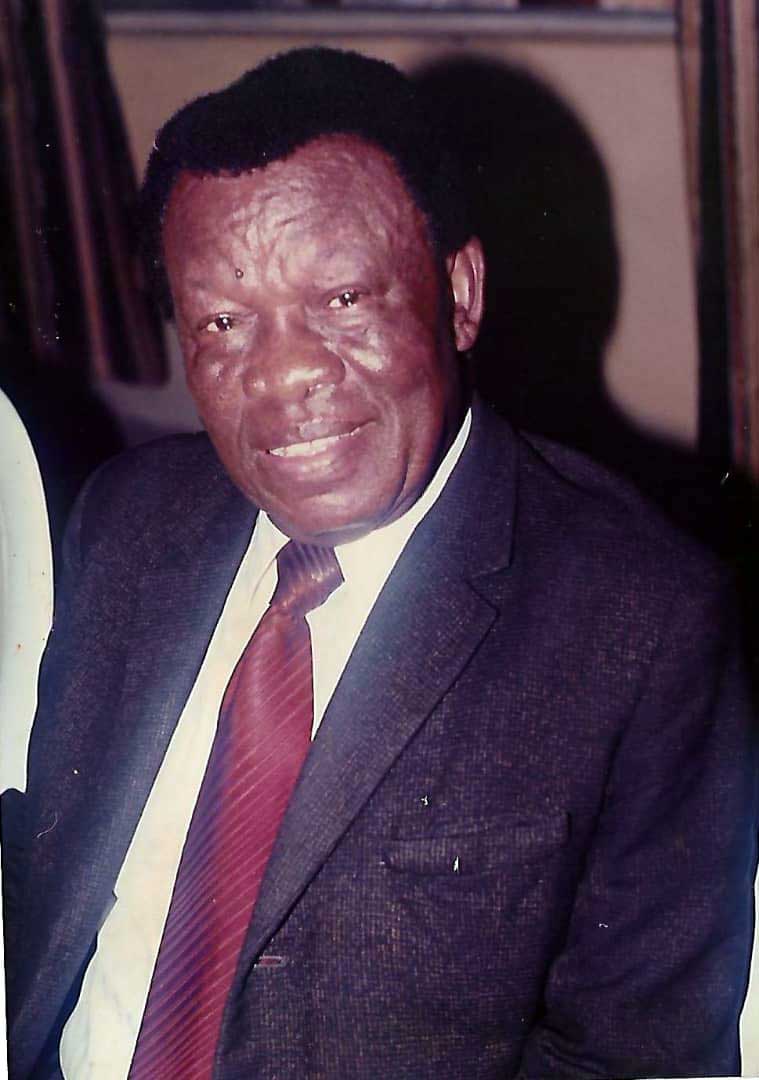
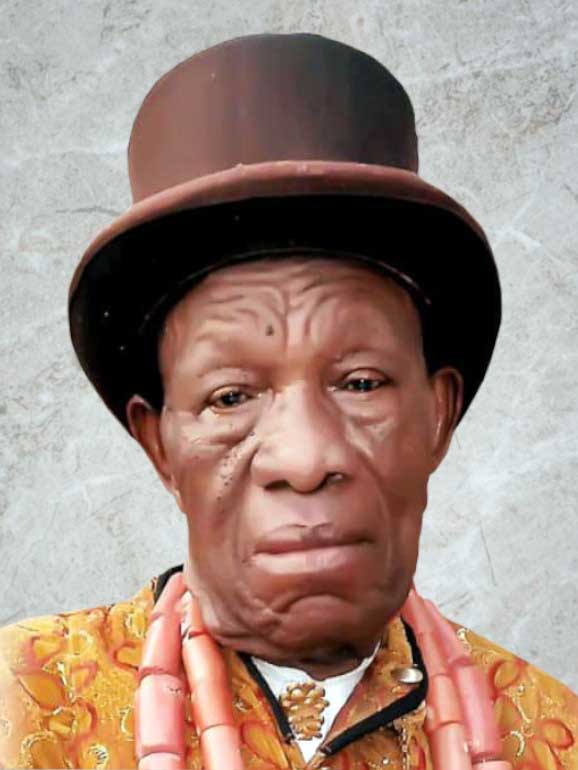
Chief Godwin Ngogo Alabraba (1927–2019) was a distinguished Nigerian civil servant, respected administrator, and traditional leader from Abonnema. Rising through the ranks of the colonial and post-independence civil service, he served across Northern and Southern Nigeria with exceptional diligence and administrative skill. Known for his intelligence, linguistic ability, and impeccable discipline, he later became a respected chief and custodian of Kalabari tradition. His life embodied public service, community leadership, and deep Christian faith.
Early Life and Family Heritage
Chief Godwin Ngogo Alabraba was born on 4 February 1927 in the influential riverine town of Abonnema in present-day Rivers State.
He was born into the distinguished Anabraba-Briggs House of the Oruwari Briggs Group of Houses, a lineage known for influence and leadership in the Kalabari Kingdom.
His father, Chief Rodius Ngogo Anabraba, was a prosperous merchant who maintained strong commercial relationships with European traders during the colonial era. He was widely respected for his elegance, generosity, and philanthropy. Among his notable contributions was the construction of St. Paul’s Nyemoni (Lutheran Church) in Abonnema.
His mother, Madam Anini Orumbere Anabraba, also came from a respected and influential family background. Growing up in such a home exposed young Godwin to the values of discipline, leadership, and community responsibility.
Educational Journey
Godwin began his formal education in 1935 at Nyemoni Primary School, Abonnema.
He later continued his studies at Bishop Crowther Memorial Primary School, where he completed his primary education and obtained his Standard Six Certificate.
In 1941, he gained admission into Okrika Grammar School, one of the prominent institutions in the region.
During his first year in secondary school, he experienced the tragic loss of his father. Despite this challenge, he remained focused and determined, eventually excelling in his studies and passing the Senior Cambridge Examination in 1944 with outstanding results.
He was widely admired for his exceptionally neat handwriting and intellectual brilliance, qualities that later defined his administrative career.
Career in Public Service
Chief Alabraba began his career in 1946 when he joined the Colonial Nigerian Civil Service as a Clerk in Ilorin.
During his service in Northern Nigeria, he quickly distinguished himself through his proficiency in the Hausa language, which enabled him to serve as a mediator and instructor between British colonial administrators and local communities.
Over the years, he served in several important administrative posts across Northern Nigeria, including in:
- Katsina
- Bauchi
- Kano
- Kaduna
Following the Nigerian Civil War, he further strengthened his professional expertise by studying Taxation and Public Administration at the University of Ife.
Upon completing his studies, he continued his service in the Rivers State Civil Service, particularly within the Board of Internal Revenue, where he rose to the position of Chief Inspector of Taxes before retiring in 1984.
Service After Retirement
Even after retiring from the civil service, Chief Alabraba remained deeply involved in public affairs and governance.
Between 1987 and 1991, he served as a member of the Board of Directors of the Rivers State Pabod Finance and Investment Company.
He also held the prestigious position of Commissioner in the Rivers State Civil Service Commission, contributing his wealth of administrative experience to the continued development of the state.
Family and Personal Life
Chief Godwin Ngogo Alabraba led a rich family life.
His first wife, Mrs. Amina Larice Alabraba, was of Nupe descent, and together they had six children. Following her passing in 1990, he later married Mrs. Jonahba Alabraba, a woman from his hometown of Abonnema.
Altogether, he was blessed with thirteen children, forming a large and vibrant family that carried forward his legacy.
Faith and Social Contributions
Chief Alabraba was a devoted Christian and a committed member of St. Paul’s Nyemoni Lutheran Church in Abonnema.
His faith played a central role in shaping his moral principles and community engagement.
Beyond the church, he actively participated in several social and cultural organizations including:
- Ilaye Ilam Club
- Kalabari-Kanonites Association
These associations reflected his enduring commitment to maintaining connections between Kalabari people living across Nigeria.
Chieftaincy and Traditional Leadership
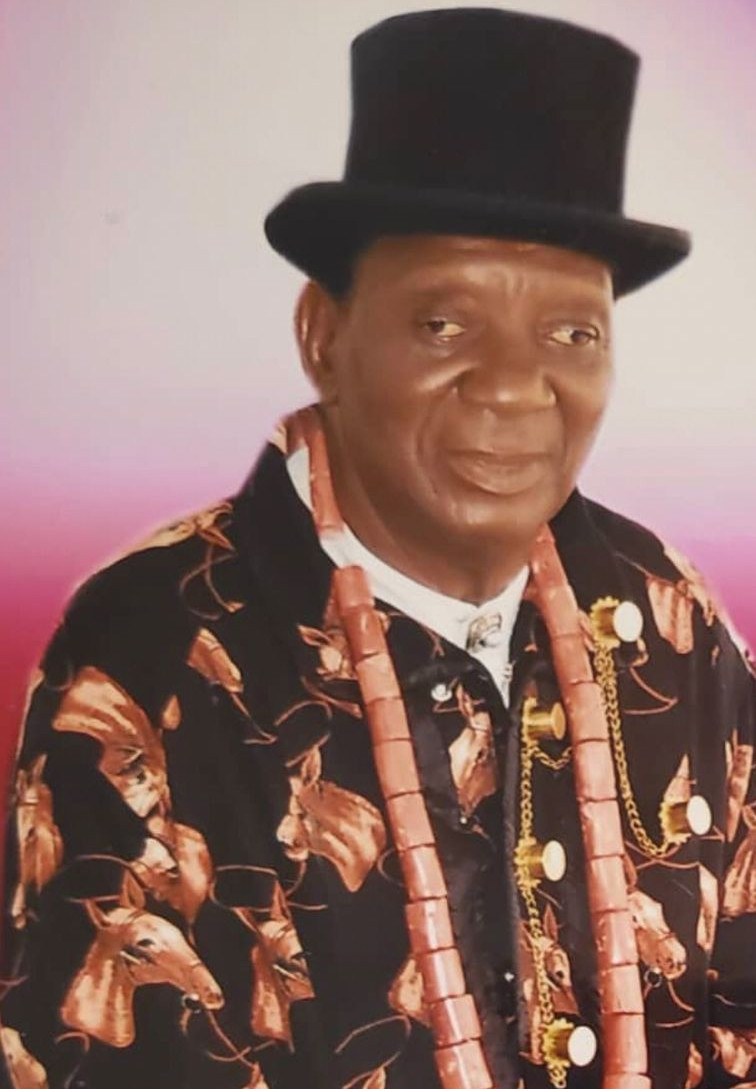
In April 1976, Chief Alabraba ascended the chieftaincy stool of his grandfather as the head of the Anabraba-Briggs House within the Oruwari Briggs Group of Houses.
He became known as Oruwari VI, providing leadership marked by wisdom, diplomacy, and respect for tradition.
His stature in the community later led to his appointment as Chairman of the Abonnema Council of Chiefs, where he played an important role in maintaining harmony and strengthening traditional governance in the Kalabari Kingdom.
Death and Legacy
Chief Godwin Ngogo Alabraba passed away on 27 December 2019 at the age of 92.
His long and remarkable life left an enduring legacy defined by:
- dedication to public administration
- commitment to traditional leadership
- strong Christian faith
- devotion to family and community
Today, he is remembered as a pillar of integrity, wisdom, and service, whose influence continues to inspire future generations within the Kalabari Kingdom and beyond.