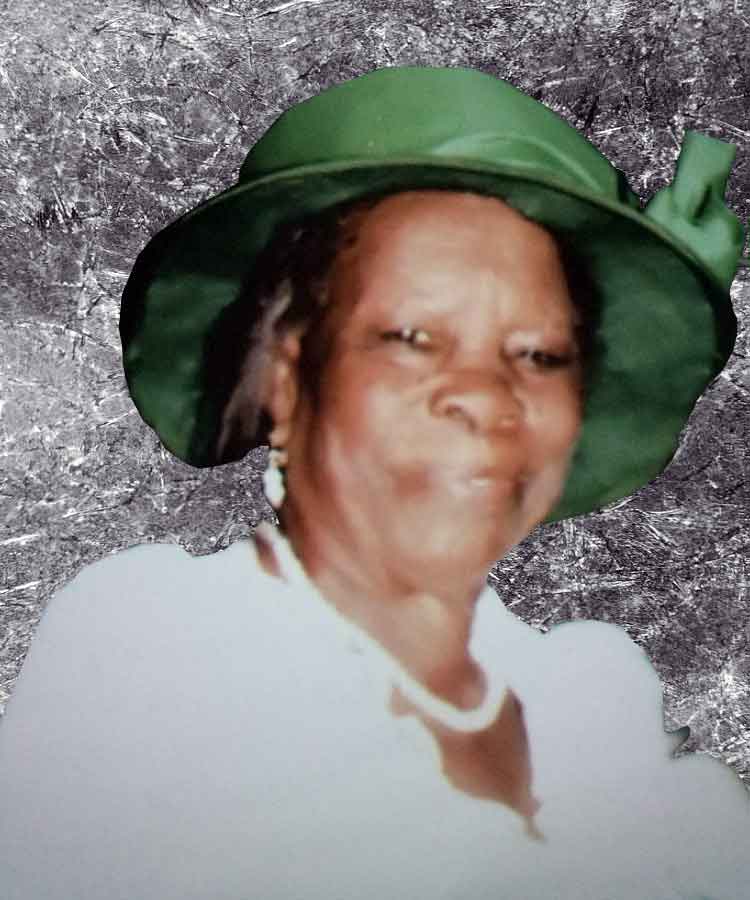
Matriarch, Elder Stateswoman, Entrepreneur
Opening Summary
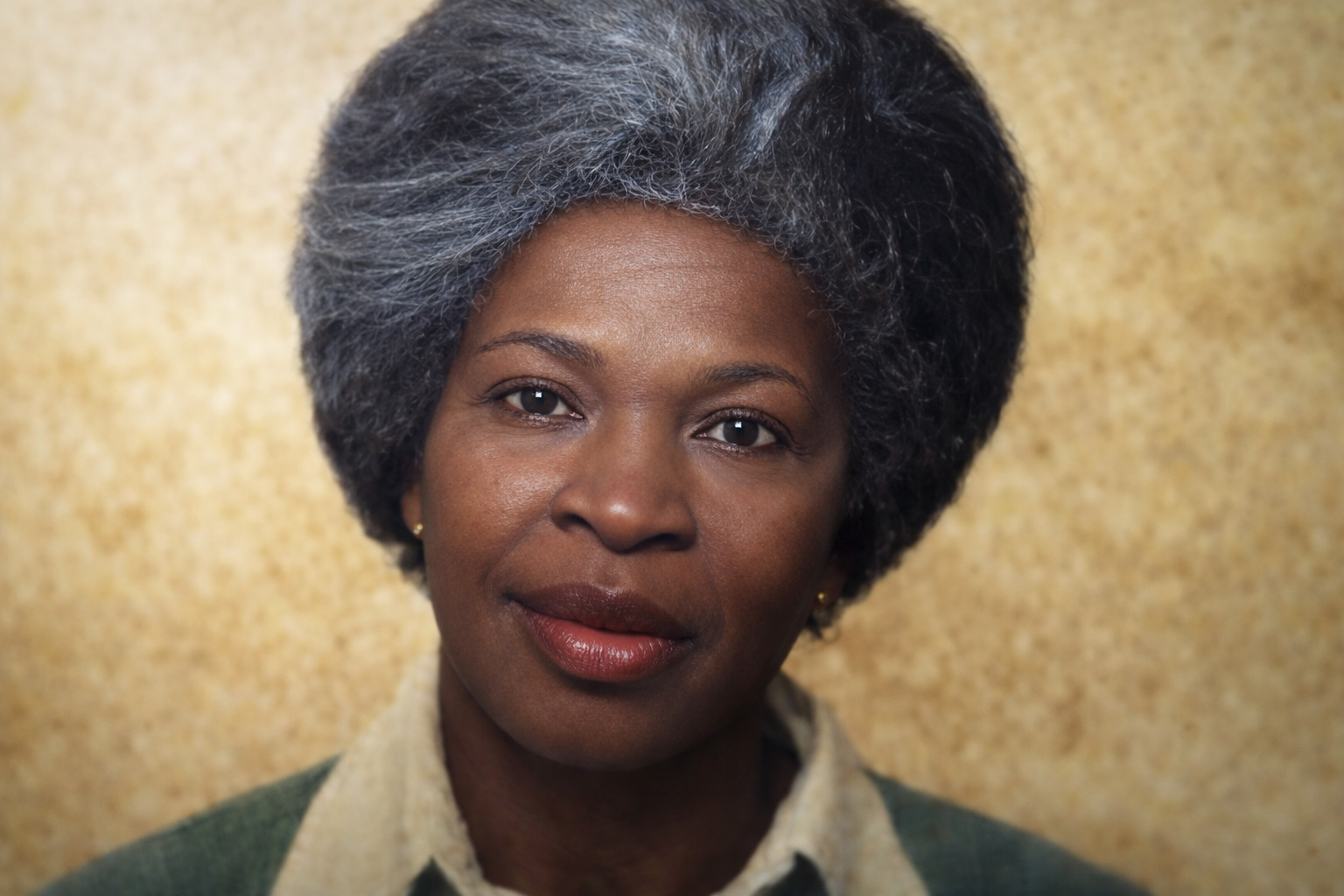
Madam Bernice Baratuapre Orubo was a revered matriarch, entrepreneur, and respected elder stateswoman from Otuabagi community in Ogbia Kingdom of Bayelsa State. She was widely known for her leadership among Ogbia women and her contributions to women’s empowerment and community development from the 1970s onward. Through her business initiatives, social advocacy, and deep Christian faith, she helped shape the social and cultural consciousness of women in Ogbia and across the Niger Delta.
Early Life and Family Background
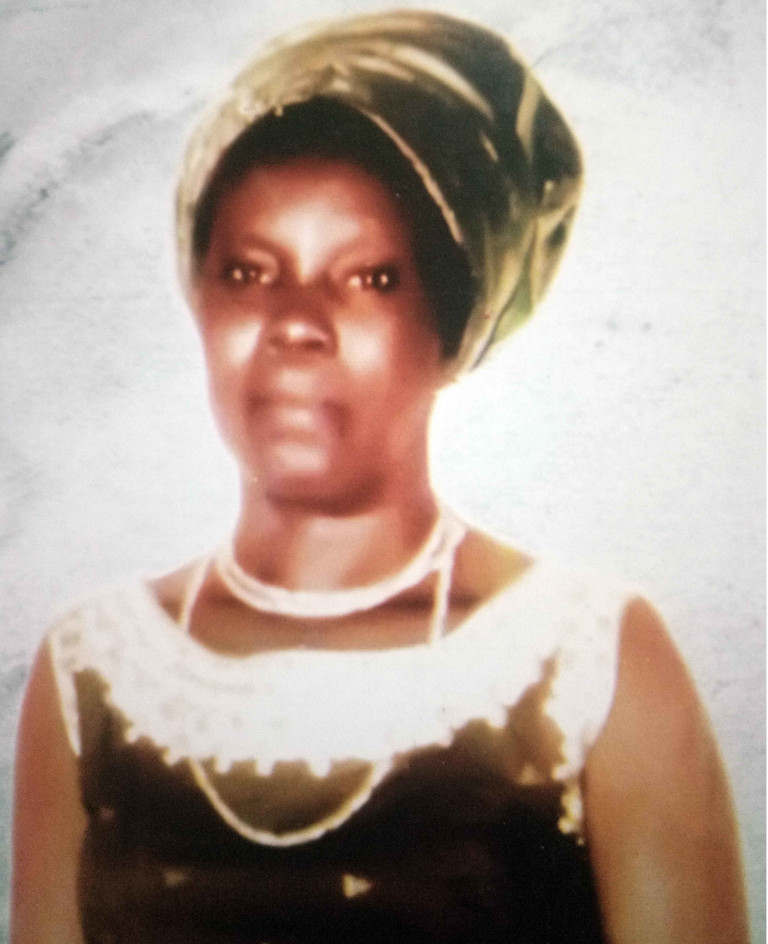
Bernice Baratuapre Orubo was born on 29 February 1932 into the family of the late Lay Reader A. A. Idumesaro and Mrs. Awa Rhoda Idumesaro (née Etaki), both of Otuabagi in Ogbia Local Government Area of present-day Bayelsa State. She was the first child and only daughter among four children.
Her father was one of the pioneer Lay Readers of the Anglican Church in Ogbia, playing a significant role in the early development of the Anglican faith within the region.
Growing up in Otuabagi, Bernice assumed early responsibilities within the family. Her parents were peasant farmers who traded farm produce along the coastal communities, and this lifestyle required her to help care for her younger siblings. This experience strengthened her character and created a lifelong bond with her brothers—Clever A. Idumesaro, Marlin Jeremiah Idumesaro, and Ibor Idumesaro—all of whom later became respected figures who contributed positively to the development of old Rivers State.
Education
Bernice was described as a bright and promising child. She began her early education at St. Clement Primary School, Otuabagi, where she performed well academically.
However, her formal education ended abruptly at Standard Four due to the prevailing cultural belief at the time that girls did not require advanced education. Her father, who held conservative views regarding female education, insisted that she discontinue her schooling and prepare for marriage.
Despite this limitation, Bernice later demonstrated that education is not the only measure of wisdom or capability, as she rose to become a respected leader, entrepreneur, and advocate for women’s development.
Ironically, later in life she became one of the early advocates for girl-child education in Ogbia, encouraging women and young girls to pursue knowledge and self-development.
Marriage and Family Life
At the age of 17, Bernice married Mr. Robebe Sylvanus Orubo, an affluent man from Otuabagi who worked with the Nigerian Railway Corporation (NRC).
Following her marriage in 1949, she relocated with her husband to several Nigerian cities including Zaria, Lagos, and later Port Harcourt.
Her exposure to different regions of Nigeria broadened her worldview and enabled her to speak both Hausa and Yoruba languages fluently.
While living in Lagos, she took advantage of available opportunities to develop practical skills. She attended professional training programs including:
- Singer Sewing School, Broad Street, Lagos
- Catering School at the Health Centre, Ebute-Meta, Lagos
These trainings later helped her build a successful entrepreneurial life.
The union was blessed with six biological children (four surviving and two deceased), three adopted children, seven children-in-law, seventeen grandchildren, and two great-grandchildren.
As a wife and mother, Bernice was known as a supportive, caring, and devoted family pillar who encouraged her husband and worked tirelessly to provide stability for her household.
Entrepreneurship and Economic Activities
Madam Orubo was a self-made entrepreneur who ventured into various business activities in order to support her family and community.
Her business ventures included:
- Buying and selling of goods
- General contracts
- Farming
- Beverage distribution
She became a major distributor of carbonated drinks and operated several shops where she conducted her businesses successfully.
Her determination and confidence enabled her to interact comfortably with prominent leaders and individuals from different backgrounds despite her limited formal education.
She also traveled extensively with her family throughout the late 1970s, early 1980s, and 1990s, visiting several countries and maintaining strong family ties across the world.
In the early 2000s, she made several trips to London in the United Kingdom to spend time with her son and his family.
Benevolence and Personal Character
Bernice Orubo was widely known for her generosity, hospitality, and strong family values.
Her residence at 24 Harold Wilson Drive, Borokiri, Port Harcourt, became a gathering place for relatives, friends, neighbors, and visitors. No guest ever left her home without receiving warm hospitality.
She often gave freely—even when resources were limited—believing strongly in the biblical teaching from Matthew 6:31-34, which encourages believers to trust God for daily provision.
Her home was famously immaculately clean, often compared to the neatness of Buckingham Palace in the United Kingdom.
She also maintained a strong emotional connection with her family members. She remembered birthdays of her children, grandchildren, and great-grandchildren, often borrowing money if necessary just to give them gifts.
Her favorite expression when resolving family disputes was:
“Wele e!”
(meaning “Let it be”)
This philosophy reflected her commitment to peace, forgiveness, and family unity.
Christian Life
Madam Orubo was a devout Anglican Christian who served God faithfully throughout her lifetime.
She remained deeply connected to her home church, St. Stephen’s Anglican Church in Otuabagi, while also being a long-standing member of St. Cyprian’s Anglican Church in Port Harcourt, where she worshipped for over 50 years.
She was actively involved in several church organizations, including:
- Mother’s Union / Women’s Guild
- Young Women’s Christian Association
- Young Adults Fellowship
- Bible Society of Nigeria
She also served in various church leadership roles such as:
- Member, Diocesan Emergency Planning Committee (1983)
- Member, Steward Guild of St. Cyprian’s Anglican Church (1990–1991)
In recognition of her dedication to Christian service, she received several honors including:
- Women’s Guild Conference Mother (2015)
- Patron of Young Adult Society (2015)
- Bible Society Honoree (2019)
Her faith remained steadfast even during difficult moments in life, including the painful loss of two sons in the 1980s and in 2014. Like the biblical figure Job, she remained strong in faith and encouraged herself through prayer and devotion.
Social Leadership and Women’s Empowerment
Madam Bernice Orubo was a pioneer advocate for women’s development in Ogbia.
In the late 1970s, she became one of the founding members of the Ogbia Brotherhood Women’s Wing, a sociopolitical organization dedicated to advancing the welfare of Ogbia people.
In 1979, she co-founded a sociopolitical women’s movement called:
Odionin Kabai
(meaning “Unity Is the Best”)
This group was established in Port Harcourt and later expanded its activities throughout Ogbia communities, promoting:
- Women’s empowerment
- Self-reliance
- Social awareness
- Family stability
- Girl-child education
She was also an active member of the National Party of Nigeria (NPN) during the Second Republic, participating in the campaigns that brought Chief Melford Obiene Okilo to power as Governor of Rivers State.
The Three Women of Ogbia Enlightenment
Bernice Orubo was part of a remarkable trio of women who played a critical role in the early social awakening of Ogbia women.
These women worked together to ensure that Ogbia women could compete favorably with women from other Niger Delta communities such as Bonny, Opobo, Nembe, Kalabari, and Okirika.
The trio included:
- Late Mrs. Fidelia Osain – Leader
- Late Mrs. Bernice Orubo – Second-in-Command
- Late Mrs. Dinah Ben Kalango
Together, they taught women important life skills including:
- Political participation
- Economic independence
- Proper dressing and etiquette
- Marriage and family stability
- Community leadership
Cultural Contributions
Madam Orubo was also passionate about preserving Ogbia culture.
In the 1980s, she founded a cultural group called:
Ibebawianazza Otuabagi
(meaning “The Beautiful Girls of Otuabagi”)
The group promoted Ogbia cultural heritage through traditional dance and costumes.
She was also a co-founder of the Abagi Development Union in Port Harcourt, which championed development projects for Otuabagi community.
Several organizations later recognized her leadership by appointing her as a Patron, including the Abagi Ambassadors of Otuabagi.
Recognition
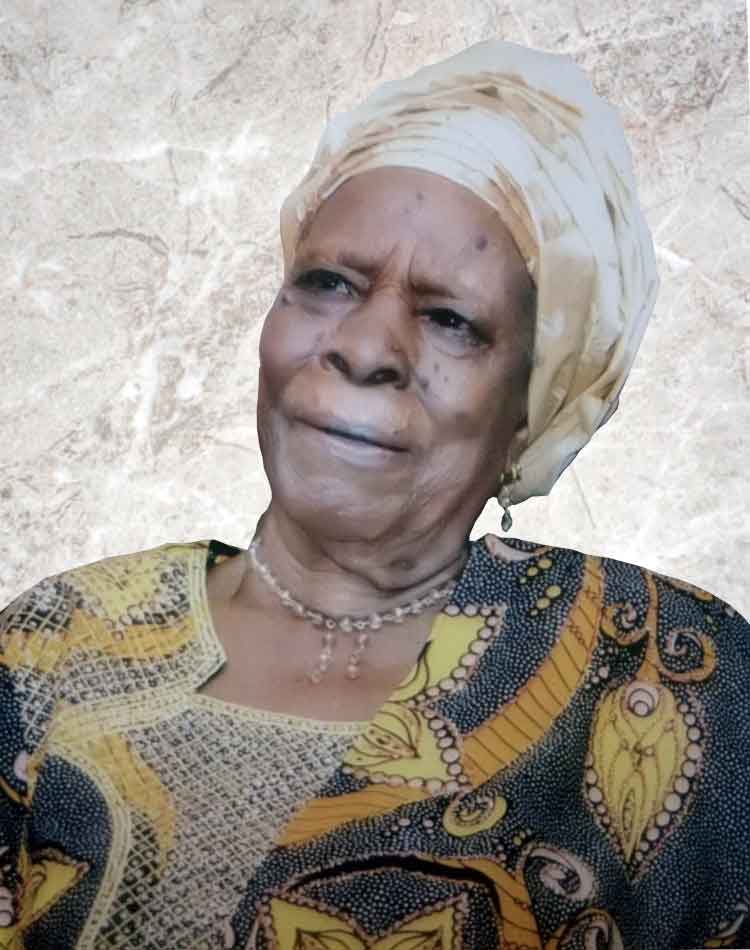
Following the creation of Bayelsa State in 1996, Madam Orubo was officially recognized by the First Lady of Bayelsa State, Chief Mrs. Margaret Alamieyeseigha, as one of the respected Elder Stateswomen of the state for her contributions to the advancement of women.
Death and Legacy
Madam Bernice Baratuapre Orubo passed away peacefully on 9 June 2022 at the age of 90.
She was laid to rest on 3 December 2022 in Otuabagi community.
Her passing marked the end of a remarkable life devoted to family, faith, entrepreneurship, and women’s empowerment.
She is fondly remembered by her family, her community, and members of St. Cyprian’s Anglican Church, Port Harcourt, and St. Stephen’s Anglican Church, Otuabagi, where she faithfully served for decades.



1 thought on “Bernice Baratuapre Orubo (1932–2022)”