A Pillar of Service, Education, and Community Transformation
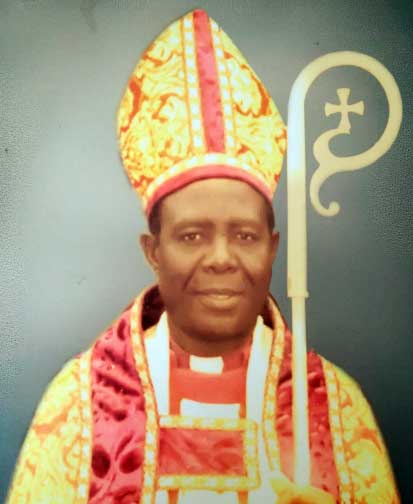
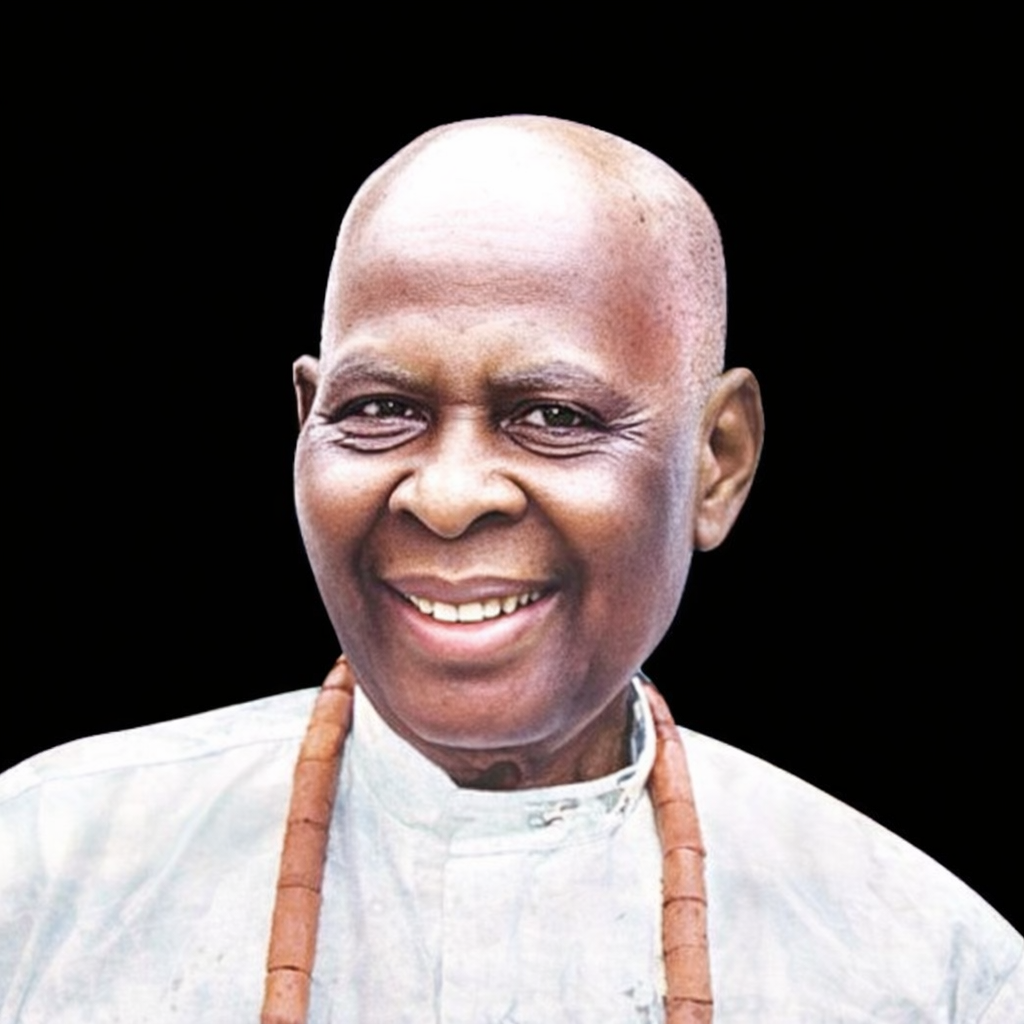
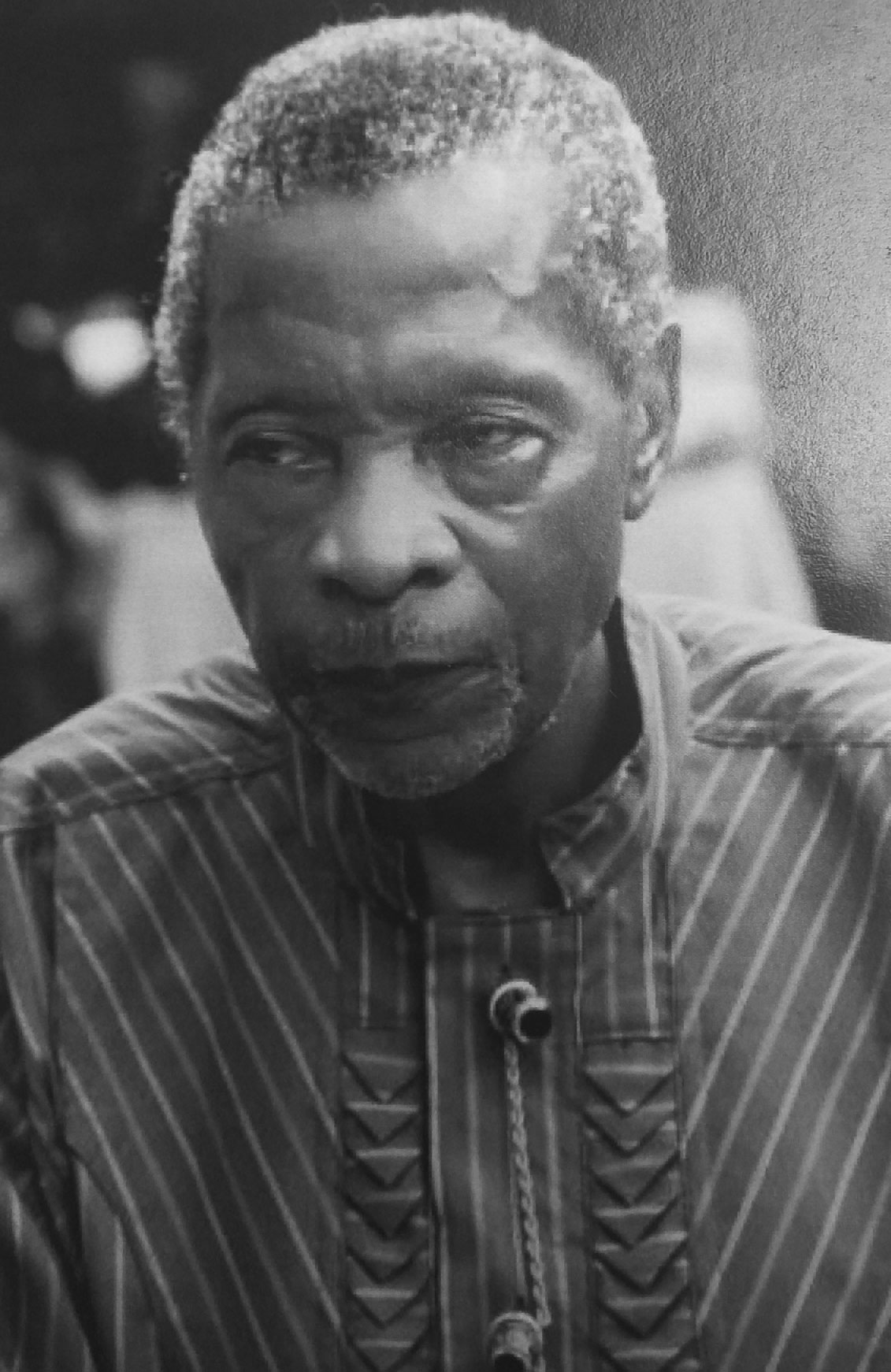
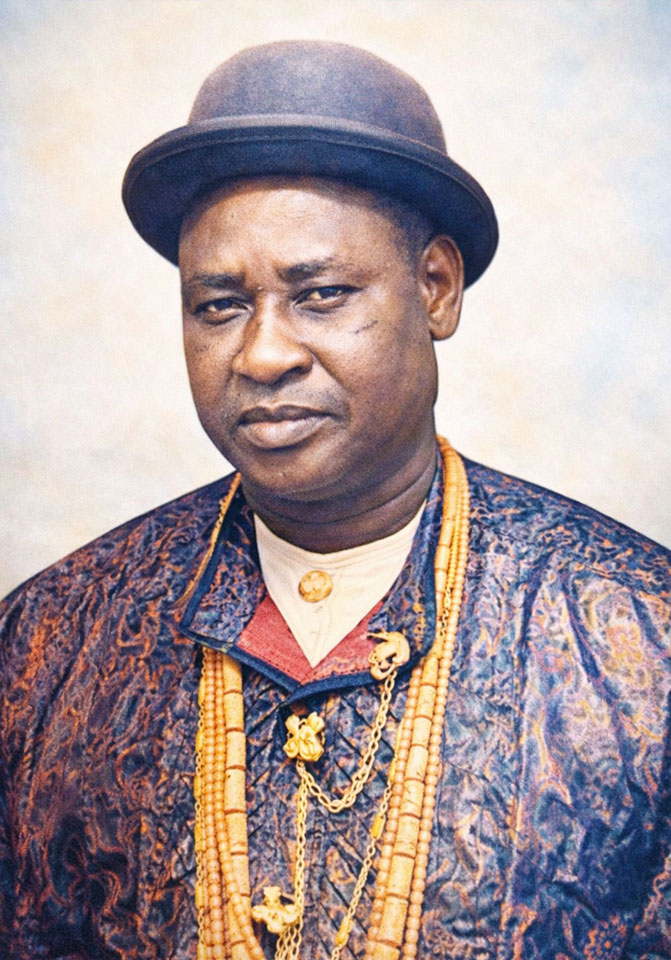
Chief Theophilus Ngozi was an accomplished administrator, educationist, and community leader whose life remains a shining example of discipline, integrity, and purposeful service.
He was born in 1935 at Kalabilema, Nembe, in present-day Bayelsa State, to Mr. Theophilus Amafamote and Mrs. Clarah Theophilus (née Sam)—a family deeply rooted in faith, cultural heritage, and communal responsibility. From his earliest years, he exhibited qualities of diligence and leadership that would later define his life.
Early Education and Character Formation (1950–1959)
Chief Ngozi began his formal education in Nembe-Bassambiri and distinguished himself early as a brilliant and disciplined student. He obtained his First School Leaving Certificate in 1950 from St. Luke’s Anglican School, Nembe-Ogbolomabiri, graduating in second position.
In 1951, he was selected by the Anglican Mission to attend the Preliminary Teachers Training College, Egbu-Owerri, where he completed a one-year course. His academic promise led to his admission in 1954 into St. John’s Teachers Training College, and later in 1958, he returned to complete the Teachers’ Grade II Certificate in 1959.
Renowned for his exemplary conduct, he was awarded a copy of The Mayor of Casterbridge by Thomas Hardy as the best-behaved student, reflecting both his intellectual and moral excellence.
University Education and Academic Advancement (1964–1967)
In September 1964, Chief Ngozi gained admission into the University of Nigeria, Nsukka to study English, with emphasis on English Literature.
He had earlier distinguished himself in the General Certificate of Education (GCE), earning high grades in History, Religious Knowledge, and English Literature. His university education was made possible through a scholarship granted by the Diocese of Niger Delta, approved by Rt. Rev. H. A. I. Afonya.
He graduated in 1967, equipped with the intellectual foundation for leadership and public service.
Early Career in Education (1952–1964)
Chief Ngozi began his professional journey as a teacher even before his university education, demonstrating early commitment to nation-building through education:
- 1952–1953 – Teacher, St. Luke’s School, Nembe
- 1956–1957 – Teacher, St. Cyprian’s School, Port Harcourt
- 1958–1961 – Teacher, St. Luke’s School, Nembe
- 1960 – Posted to St. Paul’s School, Okpoama
- 1962 – Headmaster, St. Paul’s School, Oporoma
In October 1962, he joined St. John’s College, Port Harcourt, where he taught at:
- Teachers Training College, Umuobiakani
- Women Grade II Teachers College, Umuobasi-Amawo (near Aba)
His early career was marked by discipline, mentorship, and educational excellence.
Distinguished Public Service Career (1970–1992)
Following the Nigerian Civil War, Chief Ngozi joined the Rivers State Civil Service in 1970 as an Administrative Officer.
Between 1970 and 1977, he served in several key ministries:
- Health
- Justice
- Works and Transport
- Agriculture
Key Leadership Roles
- Sole Administrator, Etche Local Government Council (1972–1973)
- Sole Administrator, Bonny Local Government Council (1984)
His outstanding administrative capacity led to his appointment as Permanent Secretary in 1980, a role in which he served with distinction across critical ministries:
- Commerce and Industry (1980)
- Finance and Economic Planning (1981)
- Lands and Housing (1983)
- Education (1987)
He retired meritoriously in 1992, leaving behind a reputation for efficiency, integrity, and visionary leadership.
Post-Retirement Service and Institutional Leadership
Even after retirement, Chief Ngozi remained actively involved in public and institutional development:
- Member, Board of Directors, Pabod Finance and Investment Company, Rivers State
- Pioneer Chairman, Bayelsa State Civil Service Commission 1996 – 2021 thereabout
- Registrar, Rev. D. O. Ockiya College of Technology and Management Sciences, Emeyal II
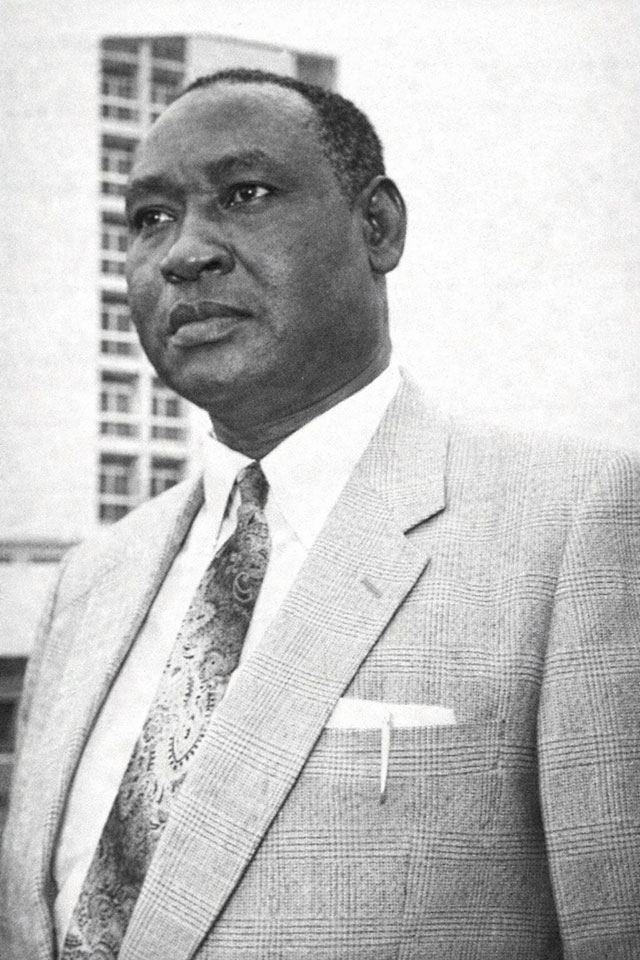
His post-retirement years further demonstrated his commitment to governance, education, and institutional growth.
Family Life
Chief Ngozi was a devoted family man. His marriage to Miss Albertine Macdonald Egebe was solemnized in September 1962 at St. Cyprian Church, Port Harcourt.
In 1971, he married Miss Baranaye Asuku (late). Both wives contributed meaningfully to his life and journey. He was blessed with children, whom he guided with strong values of discipline, education, and service.
Community Development and Enduring Impact
Chief Ngozi was a visionary community builder whose contributions transformed Nembe-Bassambiri and beyond:
- Facilitated the establishment of two primary schools and a Women Education Centre
- Initiated and completed key infrastructure projects including a landing jetty and Girls Secondary School
- Personally improved public spaces through cementing playgrounds and providing lighting
- Influenced Shell Petroleum Development Company (SPDC) to construct concrete road networks
- Renovated churches and promoted cultural development
Church Development Legacy
He spearheaded and personally financed the construction of the First Baptist Church, Nembe-Bassambiri, serving as Chairman of the Building Committee and driving the project from its foundation stage. His pioneering efforts later attracted the benevolence of Chief DSP Alamieyeseigha, former Governor of Bayelsa State, who facilitated its completion.
The project team comprised Engr. Numopre Willis, former Commissioner for Works (Old Rivers State), who served as Project Engineer, and Late Arch. Chief Baratuapre Edighotu, the Architect, alongside other committed and well-meaning individuals from Nembe-Bassambiri.
Human Capital Development
- Provided scholarships to indigent students
- Facilitated employment opportunities
- Supported families across and beyond his community
His life was a testament to giving, empowerment, and community upliftment.
Chieftaincy and Traditional Recognition
In recognition of his exceptional contributions, His Royal Highness King C. F. Amaegbe-Eremienyo (Ogbodo VII), with the approval of the Nembe people, conferred on him the title of Principal and Autonomous Chief—a historic honour that made him Chief Ngozi, the first of its kind in the Nembe Kingdom.
Passing and Legacy
Chief Theophilus Ngozi passed peacefully on September 5, 2005, at the Mayo Clinic, Rochester, Minnesota, USA.
Conclusion
Chief Theophilus Ngozi lived a life defined by:
- Excellence in education
- Integrity in public service
- Vision in community development
- Compassion for humanity
He remains a people’s leader, problem solver, benefactor, and enduring icon, whose legacy continues to inspire generations in Nembe, Bayelsa State, and beyond.