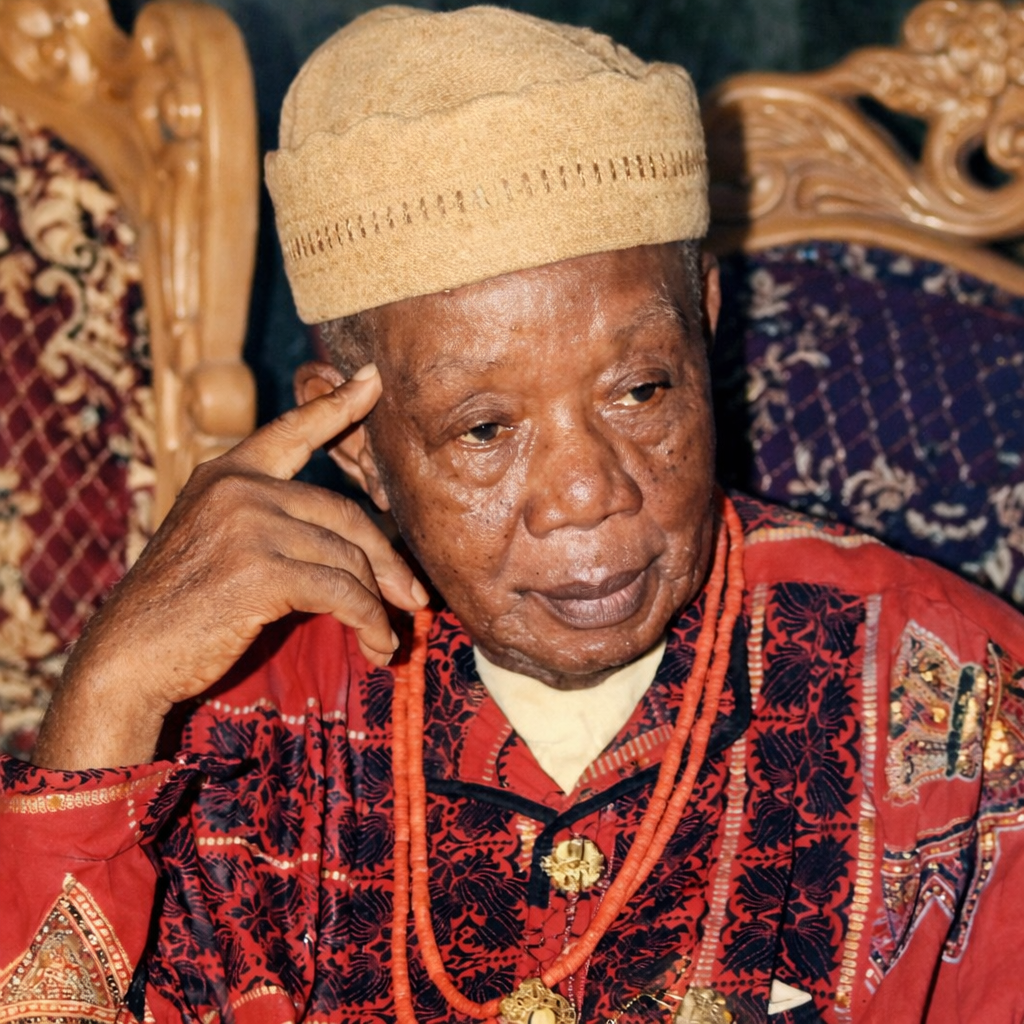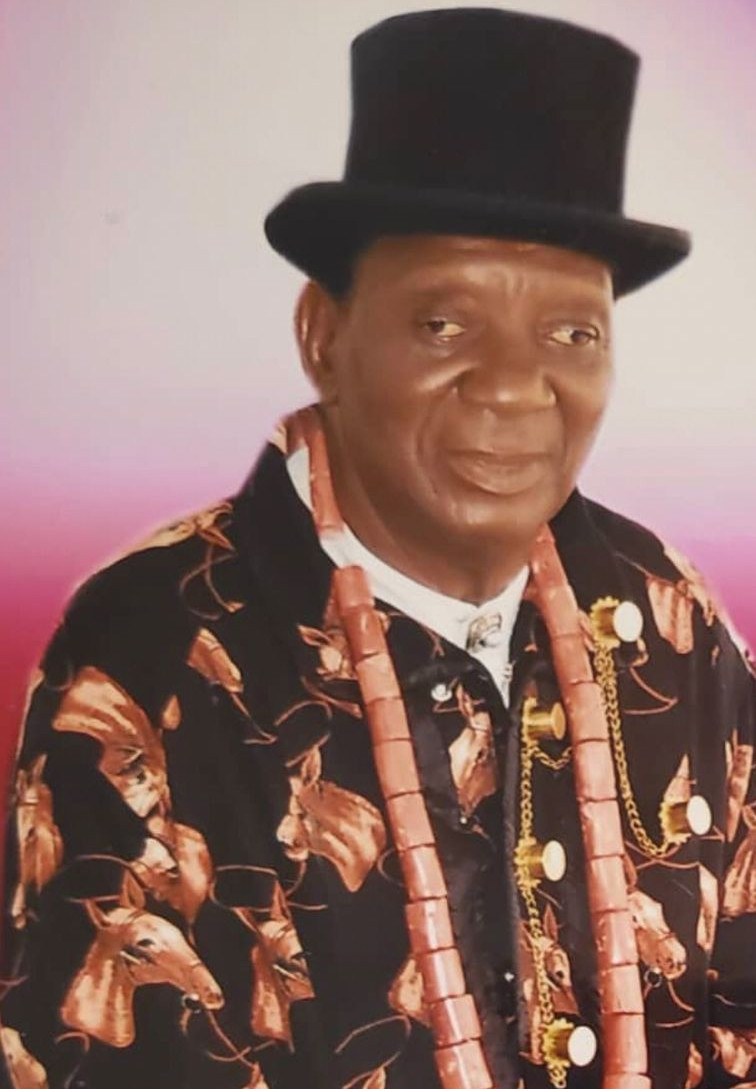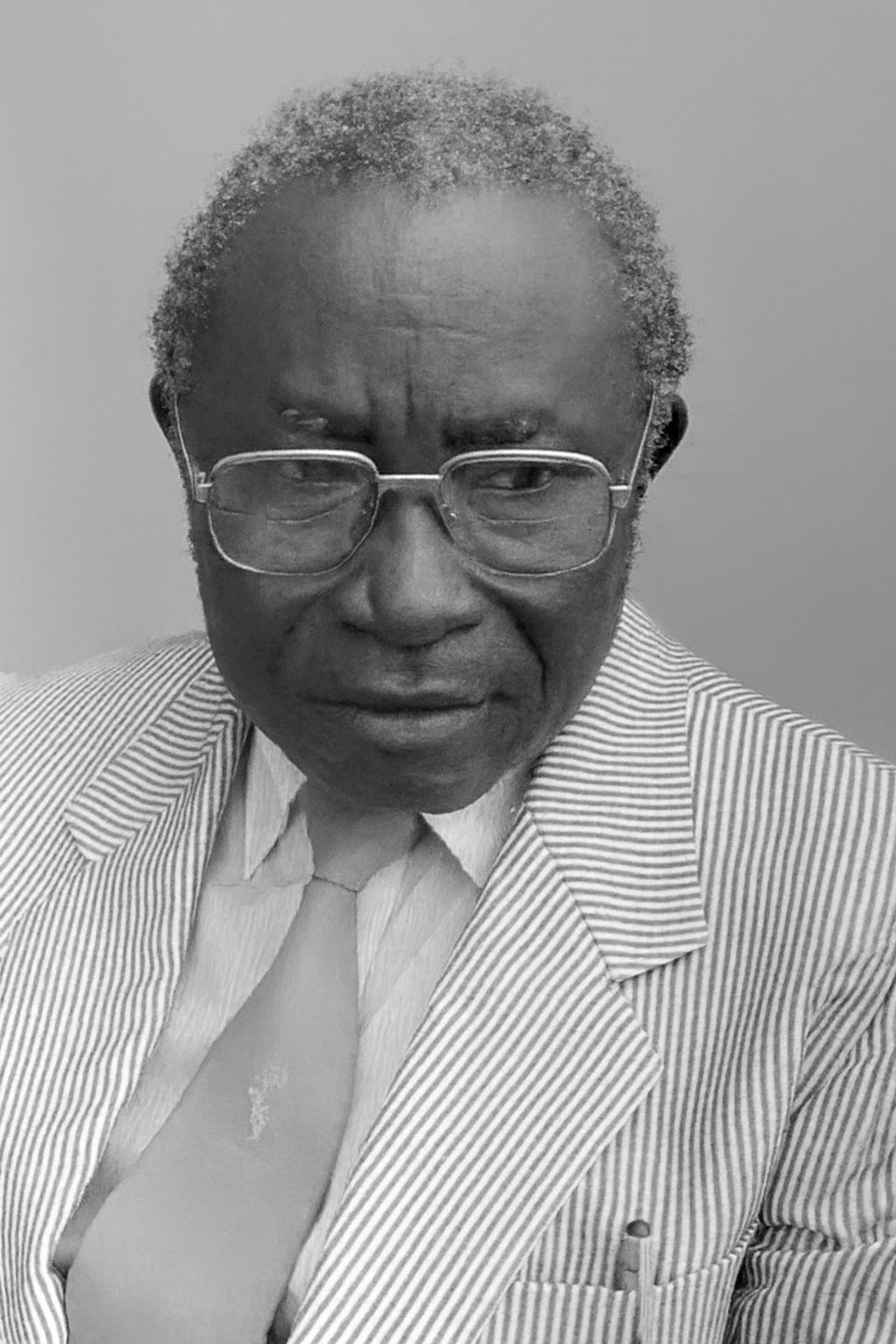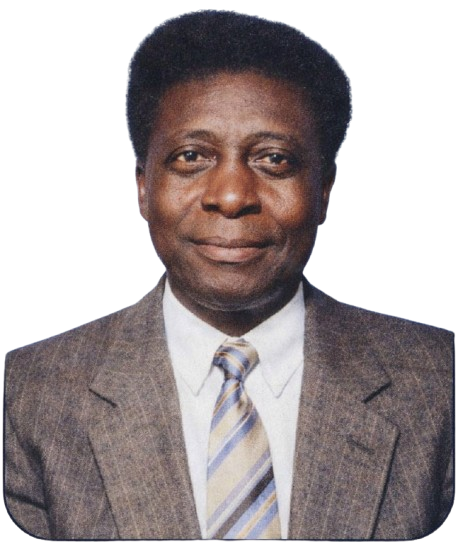
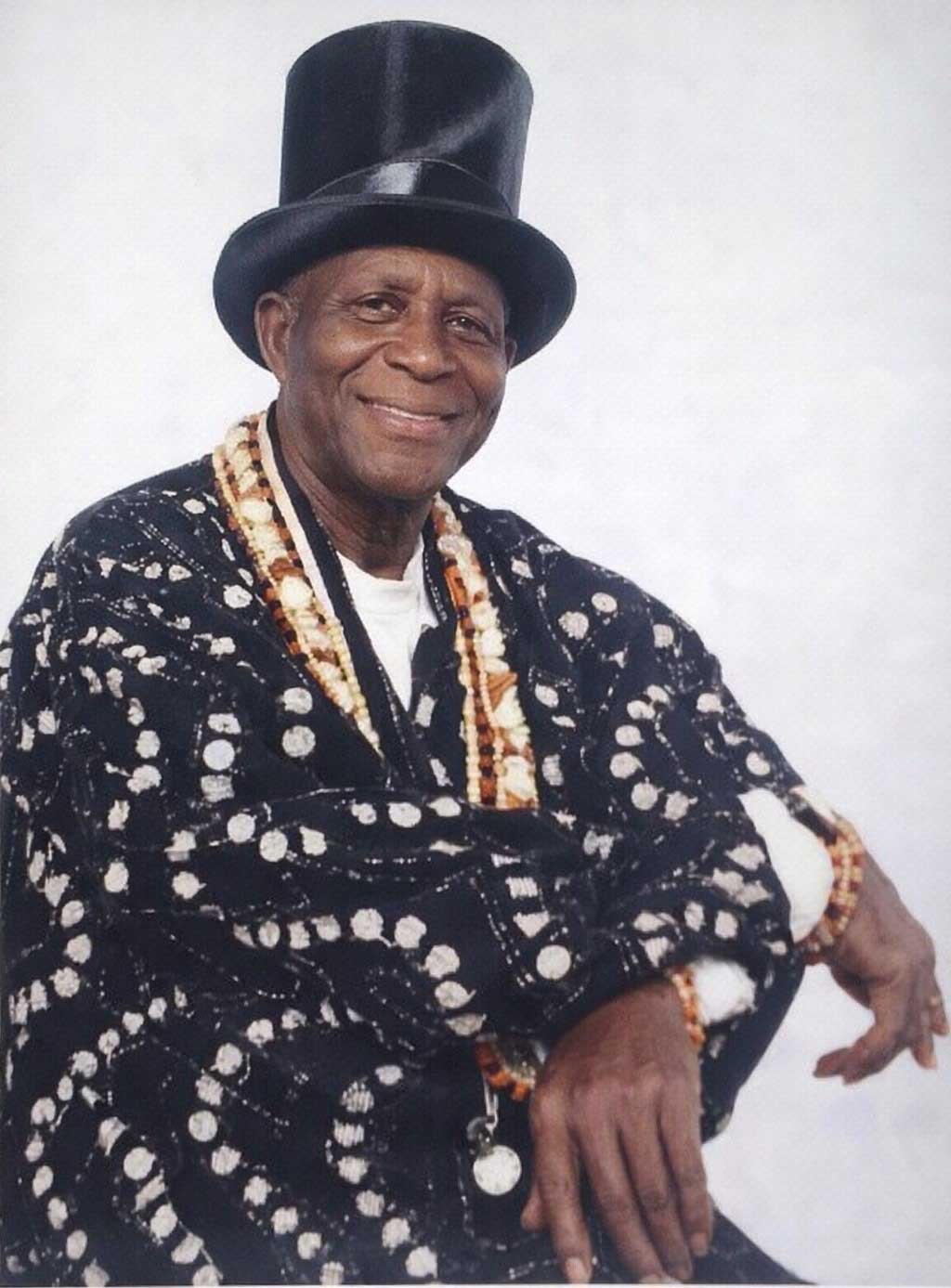
His Royal Highness, Chief Charles Onoye Amiebi (15 May 1936 – 7 May 2012), was a distinguished chartered accountant, public servant, and revered traditional ruler of Okoroma in Nembe Local Government Area, Bayelsa State, Nigeria. Born into the illustrious Amiebi family, he was the first son of Mr. Joseph T. Amiebi of Nembe and Twon Brass, and Mrs. Dorah Ofiepre Amiebi (née Ifamo Adikima) of Otuebilata (now Eminama). His lineage carried the legacy of service, as his father, son of Horatio Amiebi, worked as District Carpenter for the United African Company Limited, overseeing trading posts across the Niger Delta.
Early Life and Education
Charles Amiebi began his education at St. Luke’s School, Nembe, in 1942. Completing primary school in 1949, he pursued commercial studies at Opobo School of Commerce, Egwanga, before transferring to Central Commercial Academy, Enugu, where he graduated in 1954 with a Senior School Commercial Certificate. His brilliance earned him the reputation of an “All-Rounder.”
He briefly taught at his alma mater (1955–1956) before joining the Civil Service in 1957. By 1958, he was an Audit Clerk in Enugu. His ambition led him to accountancy, and by 1961 he had passed the Intermediate ACCA examinations. Sponsored by the U.K. Technical Assistance Scheme, he studied at Balham and Tooting College of Commerce in London, completing his Final ACCA exams in 1963–1964 and earning Associateship of the Institute of Taxation.
Career in Public Service
Returning to Nigeria in 1965, Amiebi was promoted Auditor in the Eastern Nigeria Government. Despite discrimination and setbacks—including salary stoppages and extended probation—he earned respect as the “darling of the Audit Department.” The Nigerian Civil War disrupted his career, but he was reabsorbed into the Rivers State Civil Service in 1970 as Acting Senior Auditor.
In 1971, he joined Shell Petroleum Development Company as Senior Internal Auditor. Over the years, he rose to senior finance positions: Materials Accountant (1972), Senior Divisional Accountant (1973), Head of Budgets (1975), and Methods Adviser (1978). His contemporaries at Shell included King Agama Fredrick Abiye, Engr. Francis Gbede Endeley, Engr. Rex Ugbuku, Chief Augustine Akene, and Chief Otobotekere. He also served as Rivers State’s representative on the Board of African Continental Bank (1976–1979).
Political Appointment and Trials
In October 1979, Amiebi was appointed Commissioner of Finance in Rivers State under Governor Melford Okilo. His tenure lasted until the military coup of December 1983. Detained for 21 months during military tribunals, he was eventually cleared of wrongdoing in October 1985. Later, in 1994–1995, he served as Special Assistant to the Federal Minister of Commerce and Tourism, again under Chief Melford Okilo.
Throughout his life, he resided in several notable addresses in Port Harcourt, including No. 1 Oloibiri Street, Shell Camp, Rumukurusi; No. 3 Nyekere Street, Old GRA; No. 25 Captain Amangala Street, Borokiri; Presidential Estate, Aba Road; and finally, No. 104 Arochukwu Street, Rumuomasi.
Private Practice and Traditional Leadership
After leaving public service, Amiebi practiced accountancy with Tamumo George & Co. (1986–1996) before establishing his own firm, Charles Amiebi & Co., later partnering in Amiebi, Igali & Co.
In 1975, he was elected Clan Head of Okoroma in absentia, ascending the traditional stool of Obanobhan of Okoroma Clan. His reign brought peace, recognition, and development to Okoroma, including the establishment of Okoroma Community Secondary School and improved relations with Nigerian Agip Oil Company. He championed the social, economic, and political advancement of his people in the Niger Delta’s challenging terrain.
Personal Life and Legacy
Chief Amiebi was married and blessed with four children—two sons and two daughters. Tragically, both sons predeceased him. Known for his love of gardening and reading, he embodied resilience, wisdom, and service throughout his life.
He passed away in Port Harcourt on 7 May 2012 of natural causes and was laid to rest in November 2013. His legacy endures in the professional world of accountancy, the cultural heritage of Okoroma, and the countless lives he touched with his leadership and integrity.